



What's Happening?
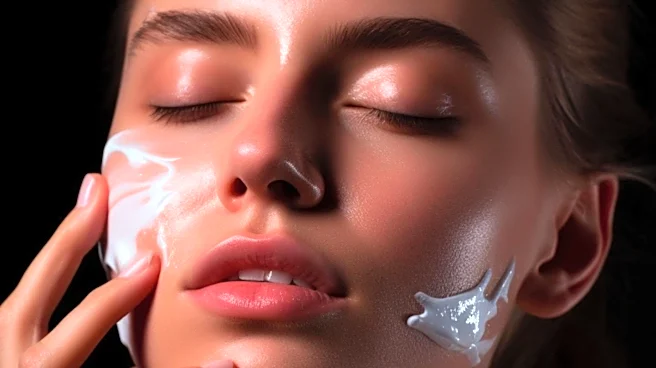
The 'glass skin' routine, popularized by K-beauty, focuses on achieving a smooth, intensely hydrated, and luminous complexion with a reflective appearance. This trend prioritizes hydration, skin-barrier care, and a healthy glow over simply applying highlighter.
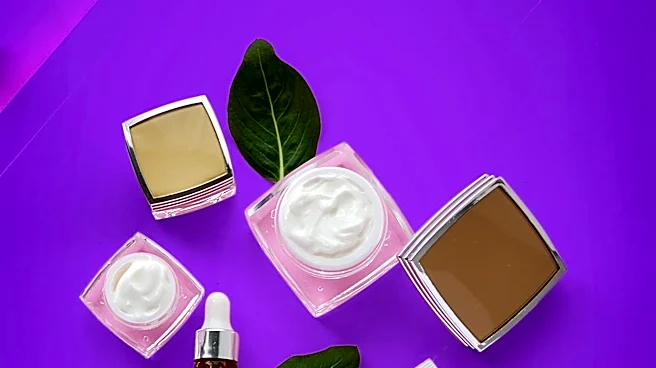
A typical glass skin routine includes a gentle cleanser, hydrating toner or essence, hyaluronic acid serum, lightweight moisturizer, and broad-spectrum sunscreen. Dermatologists increasingly recommend simpler, consistent routines rather than excessive product application or exfoliation, which can irritate the skin barrier. The goal is a 'poreless' appearance, though experts advise against chasing unrealistic ideals. This approach contrasts with 'cloud skin,' which aims for a soft-focus, velvety, semi-matte complexion, often preferred for oily or combination skin and humid climates.
Why It's Important?
The emphasis on hydration and skin barrier care in the glass skin routine is significant for maintaining overall skin health. By prioritizing these aspects, individuals can potentially reduce skin irritation, improve resilience, and achieve a more radiant complexion. The routine's focus on broad-spectrum sunscreen is crucial for protecting against UV-related skin damage, premature aging, and pigmentation concerns, which are particularly relevant for diverse skin types. While the aesthetic goal is a 'glassy' look, the underlying principles of gentle care and hydration are beneficial for a wide range of skin types. This trend also highlights the growing influence of K-beauty in the U.S. skincare market, shaping consumer preferences and product development towards more hydrating and barrier-supporting formulations.
What's Next?
The continued popularity of K-beauty trends like 'glass skin' suggests a sustained consumer interest in skincare routines that prioritize hydration and skin health. We can expect to see more product innovations in the U.S. market that align with these principles, such as advanced hydrating serums, gentle cleansers, and barrier-repairing moisturizers. Skincare brands may further emphasize the scientific benefits of ingredients like hyaluronic acid and ceramides, which are central to achieving a 'glass skin' effect. Additionally, there may be a continued shift away from harsh treatments towards more nurturing and protective skincare practices, as dermatologists advocate for simpler, consistent routines over complex, multi-step regimens that could potentially harm the skin barrier.
Beyond the Headlines
Beyond its aesthetic appeal, the 'glass skin' trend reflects a broader cultural shift towards holistic wellness and self-care. The focus on skin health as a foundation for beauty encourages a more mindful approach to skincare, moving beyond superficial fixes. This trend also underscores the global interconnectedness of beauty standards, with K-beauty continuing to influence U.S. consumer preferences and industry practices. The emphasis on skin barrier integrity and sun protection aligns with long-term dermatological recommendations, promoting healthier skin habits that can have lasting benefits. However, the pursuit of an 'unrealistic poreless appearance' also highlights the potential for beauty trends to create unattainable standards, necessitating a balanced perspective on skincare goals.