









What's Happening?
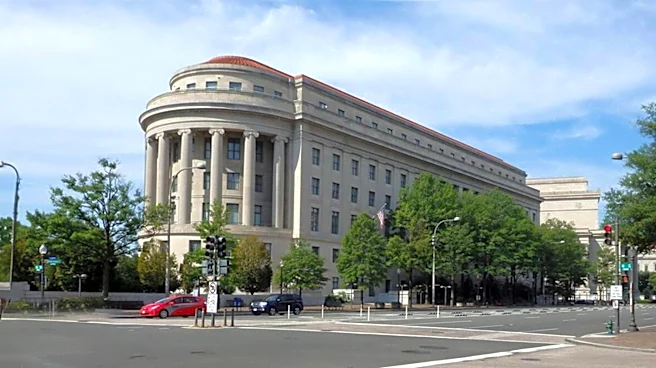
The Federal Trade Commission (FTC) has intensified its efforts to protect consumers by addressing fraud and monopolistic practices. Recent actions include a final consent order against a pest-control company to end noncompete agreements with its employees
and an amicus brief against a drug manufacturer accused of maintaining an illegal monopoly. The FTC has also been active in combating imposter scams through the 'Never Ever' campaign, which educates consumers on recognizing and avoiding scams. Additionally, the FTC has intervened in mergers that could reduce competition, such as requiring divestitures in the micromarket kiosk and pharmaceutical sectors to prevent price increases.
Why It's Important?
The FTC's actions are crucial in maintaining competitive markets and protecting consumer interests. By targeting noncompete agreements and monopolistic practices, the FTC aims to ensure fair competition and prevent companies from exploiting their market positions to the detriment of consumers. The agency's focus on fraud prevention and consumer education helps safeguard individuals from deceptive practices, which can have significant financial and personal impacts. These efforts are particularly important in sectors like healthcare and technology, where monopolistic practices can lead to higher prices and reduced access to essential services.
What's Next?
The FTC will continue to monitor and address anticompetitive practices and consumer fraud. Future actions may include further regulatory measures and legal challenges to ensure compliance with consumer protection laws. The agency's ongoing efforts to educate the public about scams and fraudulent practices will likely expand, leveraging partnerships with other government agencies and private sector entities. As the FTC navigates complex market dynamics, its role in shaping fair and transparent business practices will remain critical to protecting consumer rights and promoting economic stability.