



What's Happening?
Targeted calf stretches are being highlighted as a crucial, yet often overlooked, method for relieving knee and foot pain. The calf muscles, specifically the gastrocnemius and soleus, play a significant role in daily movement and can contribute to pain in the Achilles
tendon, heel, and knee when tight. The gastrocnemius crosses both the knee and ankle, while the soleus crosses only the ankle, making it essential to stretch both muscles effectively. Many people primarily stretch the gastrocnemius with a straight-knee approach, neglecting the deeper soleus muscle which requires a bent-knee stretch. Consistency is emphasized over intensity, with recommendations for holding stretches for about 30 seconds, two to four repetitions per leg, at least two to three days a week, with daily practice yielding faster results. Measurable improvements in ankle flexibility typically appear after three to six weeks of near-daily stretching, though very tight calves may require two to three months of consistent effort.
Why It's Important?
The importance of proper calf stretching extends beyond simple muscle flexibility, impacting overall lower body biomechanics and pain prevention. Tight calves can lead to a cascade of issues, including heel pain (plantar fasciitis), Achilles tendonitis, and knee discomfort, by altering how forces are distributed through the ankle and knee joints during activities like walking and squatting. Limited ankle dorsiflexion, often caused by tight calves, forces the body to compensate, leading to inward rolling of the foot, arch flattening, or early heel lifting, all of which shift stress to other areas. Addressing calf tightness through consistent stretching can be a cost-effective and evidence-supported first step in managing these common musculoskeletal complaints, potentially reducing the need for more invasive interventions and improving the quality of life for individuals experiencing chronic pain.
What's Next?
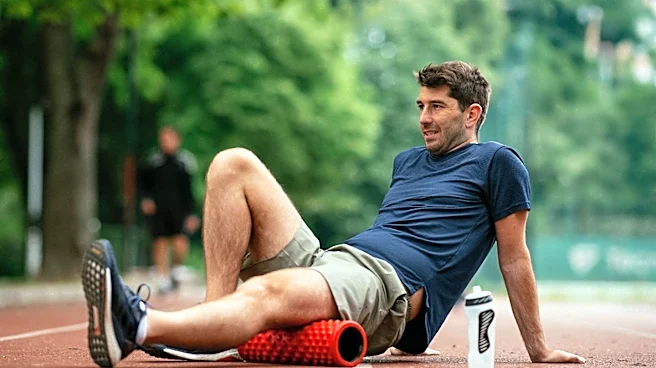
Individuals experiencing knee or foot pain are encouraged to incorporate specific calf stretching routines into their daily regimen. This includes performing both straight-knee stretches for the gastrocnemius and bent-knee stretches for the soleus. For those with balance concerns or mobility limitations, seated towel stretches offer an effective alternative. It is also advised to integrate light movement breaks throughout the day, especially for individuals with sedentary lifestyles, to prevent calf shortening. While stretching is beneficial, it should be combined with strengthening exercises, such as heel raises, to build both flexibility and capacity in the calf muscles. If calf pain is sudden, one-sided, accompanied by swelling, warmth, or redness, or persists despite consistent stretching, medical evaluation is recommended to rule out more serious conditions like deep vein thrombosis or muscle tears.
Beyond the Headlines
The emphasis on consistent, gentle stretching over intense, infrequent sessions highlights a broader principle in physical health: small, regular efforts often yield more sustainable results than sporadic, strenuous ones. This approach challenges the common perception that significant physical changes require extreme measures. Furthermore, the article subtly points to the impact of modern lifestyles, such as prolonged sitting and wearing heeled footwear, on muscle health. These habits can lead to chronic calf shortening, underscoring the need for proactive measures to counteract the physical demands of contemporary living. Recognizing the interconnectedness of the body, where tightness in one area can manifest as pain in another, promotes a holistic view of health and encourages individuals to consider underlying causes rather than just treating symptoms.