






What's Happening?
Speculation regarding Iran's ability to export crude oil via Caspian Sea routes has increased, but logistical constraints currently make such large-scale operations unfeasible. Iranian oil production is primarily located in the southwestern province of
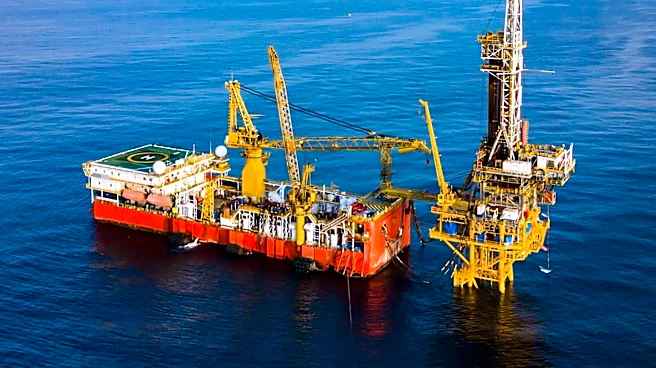
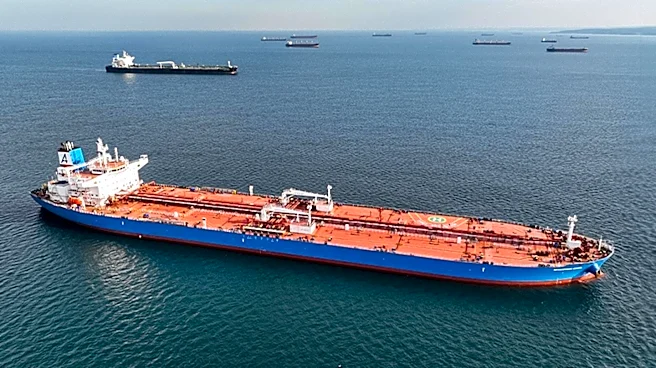
Khuzestan and offshore in the Gulf, with domestic refining concentrated in coastal areas due to the challenging terrain of the Zagros Mountains. While there is an existing pipeline from Ahwaz-Ray to Tehran refineries and a smaller capacity pipeline from Yeke Tut on the Caspian coast to Tehran for imported crude, there is no bulk transport mechanism for Iranian crude from the main producing fields to the Caspian. Even if the Tehran to Yeke Tut pipeline were reversed for export, Iran would still require a tanker fleet to move crude north across the Caspian, a capability Russia, despite having shallow-draft tankers, is currently struggling with for its own exports. Furthermore, Azerbaijan, which has a tense diplomatic relationship with Tehran, is unlikely to facilitate the shipment of Iranian oil through the BTC pipeline from Baku to Ceyhan.
Why It's Important?
The inability of Iran to utilize Caspian Sea routes for oil exports has significant implications for global energy markets and international sanctions enforcement. If Iran were able to bypass existing sanctions through these routes, it could potentially increase its oil revenue, thereby undermining the effectiveness of international pressure aimed at curbing its nuclear program or other geopolitical activities. The current logistical hurdles mean that the U.S. and its allies can maintain a more effective naval blockade on shipborne exports, which previously accounted for 90% of Iran's oil exports to China. This situation also highlights the complex geopolitical dynamics in the Caspian region, where strained relationships between Iran and its northern neighbors, particularly Azerbaijan, prevent potential energy cooperation that could otherwise alter regional energy flows. The focus on increasing exports of refined products like diesel and petrol, which are technically easier to move, suggests a potential shift in Iran's export strategy, though still facing formidable infrastructure challenges.
What's Next?
Iran is expected to continue exploring alternative pathways for exporting its oil, potentially focusing on refined products rather than crude, given the technical and infrastructural challenges. The international community, particularly the U.S., will likely remain vigilant for any signs of breakthroughs in Iran's efforts to circumvent sanctions. The current situation suggests that without significant infrastructure development or a shift in diplomatic relations with its northern neighbors, Iran will continue to face substantial difficulties in expanding its oil exports through the Caspian Sea. The test of Iran's ingenuity will be whether it can develop new routes or if it will be forced to shut in production at its oil fields due to full storage facilities, indicating the continued effectiveness of sanctions.
Beyond the Headlines
The logistical challenges faced by Iran in exporting oil across the Caspian Sea underscore the broader impact of geopolitical tensions on energy infrastructure and trade. The intricate network of pipelines and shipping routes in the Caspian region is heavily influenced by political relationships and historical grievances. The reluctance of countries like Azerbaijan to facilitate Iranian oil exports, despite potential economic benefits, highlights the prioritization of diplomatic relations and security concerns over purely commercial interests. This situation also reveals the limitations of even a sanctions-breaking regime's capabilities when confronted with fundamental geographical and infrastructural barriers. The ongoing struggle to export oil also has internal implications for Iran, potentially affecting its economic stability and its ability to fund various domestic and international initiatives, thereby influencing its strategic calculus in the long term.