




What's Happening?
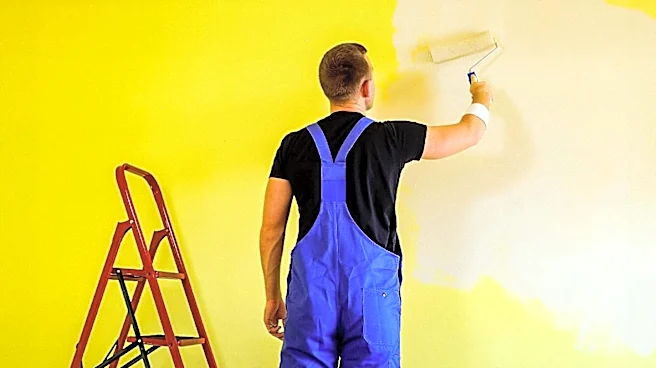
Homeowners are being cautioned against undertaking certain do-it-yourself (DIY) home projects due to the high potential for expensive errors and safety hazards. While tasks like painting and replacing cabinet hardware are generally safe for DIY enthusiasts,
more complex jobs involving electrical panels, gas lines, structural walls, refrigerant circuits, major plumbing, and roofs carry significant risks. Mistakes in these areas can lead to severe consequences, including electrical shocks, gas leaks, structural damage, and extensive water damage. The U.S. Consumer Product Safety Commission highlights hazards related to faulty wiring, and the National Fire Protection Association recommends professional electricians for issues like frequent breaker trips or flickering lights. Similarly, the Pipeline and Hazardous Materials Safety Administration advises immediate evacuation and professional intervention in the event of a gas leak. Homeowners are encouraged to consult local codes and permit requirements before initiating any major renovation work to ensure compliance and safety.
Why It's Important?
The distinction between manageable DIY tasks and those requiring professional expertise is crucial for U.S. homeowners, impacting both personal finances and property safety. Attempting complex projects without proper training or tools can result in significant financial losses, as rectifying mistakes often costs more than hiring a professional initially. Beyond monetary implications, botched DIY jobs can create serious safety hazards, such as fire risks from faulty electrical work or explosions from gas leaks, endangering residents and neighboring properties. Furthermore, improper structural modifications can compromise a home's integrity, leading to long-term damage and devaluation. Adhering to professional guidance and local regulations protects homeowners from liability, ensures the longevity of their property, and maintains safety standards within communities. This emphasis on professional intervention for high-risk projects underscores the importance of specialized skills and adherence to safety protocols in the home improvement sector.
What's Next?
Homeowners planning renovations are advised to carefully assess the scope and complexity of their projects. For tasks involving critical home systems like electrical, gas, or structural components, the next step should involve consulting qualified professionals such as licensed electricians, plumbers, structural engineers, or certified HVAC technicians. Before any major work begins, homeowners should also contact their local building department to understand specific codes and permit requirements, which can vary by jurisdiction. This proactive approach can prevent costly rework, ensure compliance with safety standards, and avoid potential legal issues. For less complex projects, homeowners can continue to pursue DIY options, but they should remain vigilant for signs that professional help might be needed, such as unexpected complications or safety concerns. The smartest approach often involves handling simpler aspects personally while entrusting specialized work to experts.
Beyond the Headlines
The trend of DIY home improvement, while empowering for many, also highlights a broader societal challenge regarding skill gaps and the perceived value of professional labor. The allure of saving money can sometimes overshadow the inherent risks and specialized knowledge required for certain tasks. This situation raises ethical considerations about consumer responsibility versus the need for clearer public education on home safety and renovation best practices. Long-term, a rise in improperly executed DIY projects could lead to an increase in home insurance claims, stricter building codes, and potentially a greater demand for skilled tradespeople to rectify amateur mistakes. It also underscores the importance of robust regulatory frameworks and enforcement to protect homeowners from the consequences of unsafe construction or repair practices, ultimately shaping the future landscape of home maintenance and renovation in the U.S.