



What's Happening?
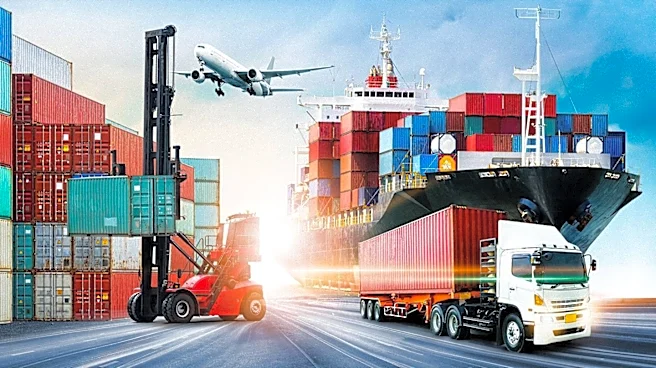
Artificial Intelligence (AI) is increasingly being integrated into resilience software to enhance supply chain security and operational continuity, particularly in response to global disruptions. Botan Osman, CEO of Restrata, highlights that supply chain resilience has
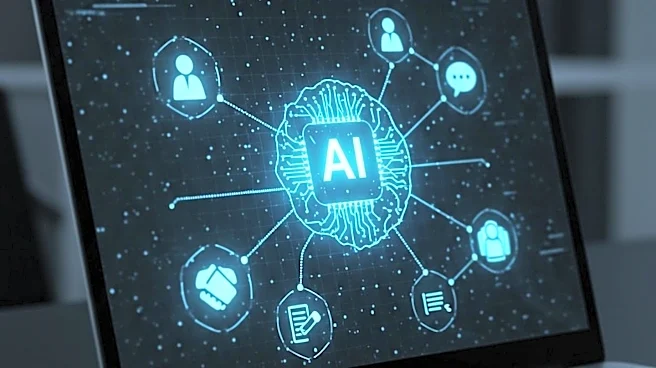
become a strategic priority, moving up the boardroom agenda due to volatile environments and geopolitical uncertainties. AI's role is to gather, process, and analyze significant volumes of information quickly during crises, bringing together disparate data streams from different parts of an organization. This human-first AI approach assists operators by using an organization's data and rules to minimize inaccurate outputs. When combined with open ecosystems that incorporate threat intelligence feeds and rules engines, Chief Security Officers (CSOs) can respond accurately and swiftly to external threats. The effectiveness of AI-driven resilience, however, hinges on robust and accurate data, requiring groundwork to establish reliable datasets and guardrails for AI implementation.
Why It's Important?
The integration of AI into supply chain resilience is crucial for U.S. businesses facing an increasingly complex and unpredictable global landscape. By enabling faster and more accurate threat anticipation and response, AI can significantly reduce financial losses and operational downtime caused by disruptions, whether from natural disasters, geopolitical events, or cyberattacks. This technological advancement allows U.S. companies to maintain operational continuity, protect assets, and ensure timely delivery of goods, which is vital for consumer satisfaction and market competitiveness. The shift from viewing security as merely a cost to recognizing it as a source of business value means that investments in AI-powered resilience can yield substantial returns. For U.S. industries, this translates into more stable supply chains, reduced exposure to market volatility, and enhanced strategic decision-making capabilities, ultimately safeguarding economic stakeholders and national interests.
What's Next?
The future will see continued advancements in AI integration within supply chain management, making these systems even more powerful. Organizations will likely focus on refining their data infrastructure to ensure the accuracy and robustness required for effective AI implementation. This includes conducting straightforward mapping exercises to assess the maturity of existing security and resilience technology and data environments. The goal is to build reliable foundations for AI systems, allowing them to complement existing operational systems. As AI becomes more sophisticated, it will enable companies to develop and scale their resilience capabilities more effectively, protecting people, assets, and operations globally. The emphasis will remain on human-first AI, where technology assists operators rather than replacing them, ensuring that human judgment remains central to strategic decisions while AI handles complex data analysis and scenario modeling.
Beyond the Headlines
The rise of AI in supply chain resilience has profound implications beyond immediate operational benefits. Ethically, it raises questions about data privacy and the responsible use of AI, particularly concerning the vast amounts of information gathered and processed. Ensuring transparency and accountability in AI algorithms will be critical to prevent biases and maintain trust. Legally, the increasing reliance on AI for critical decisions may necessitate new regulatory frameworks to address liability in cases of AI-induced failures or misjudgments. Culturally, this shift represents a broader trend towards data-driven decision-making and automation across industries, potentially transforming job roles and requiring new skill sets for the workforce. The long-term impact could be a more interconnected and intelligent global supply chain ecosystem, but one that also demands continuous vigilance against cyber threats and a commitment to ethical AI development to truly foster sustainable resilience.