


What's Happening?
Karen Trasatti, a 63-year-old strength coach and fitness content creator, has outlined her weekly workout routine designed to build and maintain strength, particularly for women over 50. Trasatti emphasizes that effective strength training at this age
does not require extensive gym time but rather a consistent and progressive plan. Her regimen consists of three dumbbell-only workouts per week, each incorporating four to six simple movements. These workouts combine compound and isolation exercises to engage muscles effectively. Trasatti highlights the importance of consistent weight lifting, challenging muscles, and adequate protein intake to support muscle growth. She shares that her approach has enabled her to stay lean, build muscle, and feel stronger each year, focusing on long-term health rather than daily fluctuations. Her method is presented as a practical guide for individuals seeking to combat age-related muscle loss, known as sarcopenia, which accelerates significantly after age 60.
Why It's Important?
This approach to fitness is particularly important for addressing sarcopenia, the age-related loss of muscle mass that can begin as early as 30 and accelerate significantly in the 60s. Sarcopenia is a major risk factor for increased fall risk, general frailty, and osteoporosis, a condition that weakens bones and makes them more prone to fractures, disproportionately affecting women. By promoting consistent strength training, Trasatti's regimen offers a tangible method to slow down sarcopenia and potentially reverse osteoporosis. This has significant implications for public health, as maintaining muscle mass and bone density can improve quality of life, reduce healthcare burdens associated with age-related injuries, and promote independent living among older adults. The emphasis on accessible, dumbbell-only workouts also makes strength training more feasible for a broader population, including those who may not have access to a full gym or prefer home-based routines.
What's Next?
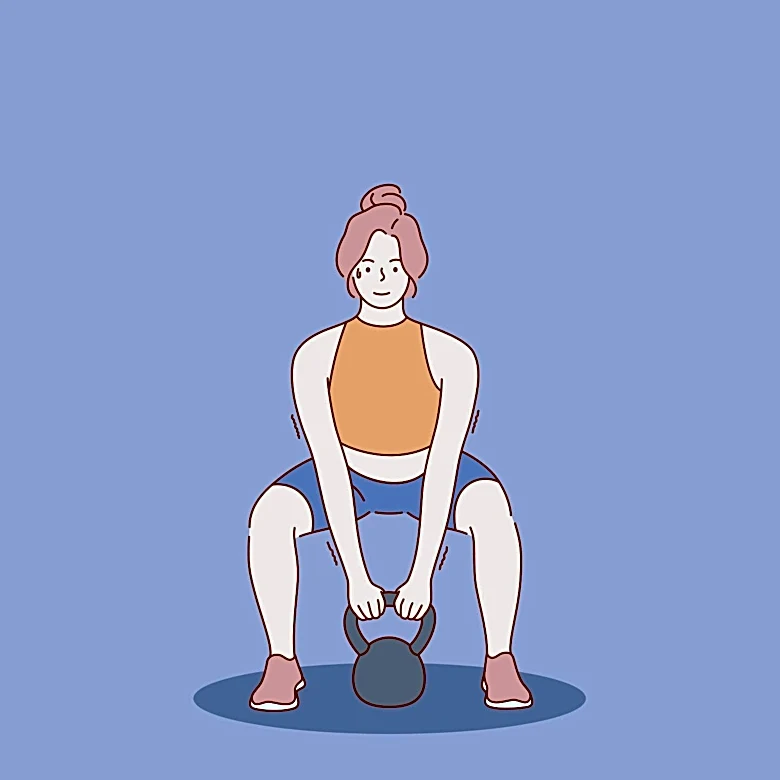
Individuals interested in adopting a similar fitness regimen can begin by incorporating Trasatti's recommended three weekly workouts, focusing on full-body, upper-body, and lower-body exercises using dumbbells. The detailed instructions for each movement, such as goblet squats, dumbbell chest presses, and bent-over rows, provide a clear roadmap for implementation. Future developments might include more fitness professionals and health organizations promoting similar accessible strength training programs tailored for older adults, potentially leading to wider adoption and improved health outcomes. There could also be an increased focus on nutritional guidance, particularly protein intake, to complement these exercise routines. As awareness of sarcopenia and osteoporosis grows, there may be a greater demand for evidence-based, practical fitness solutions that can be integrated into daily life, encouraging more people to prioritize strength training as a preventative health measure.
Beyond the Headlines
The broader implications of Trasatti's approach extend beyond physical fitness, touching upon the cultural perception of aging and the empowerment of older individuals. By demonstrating that significant strength and vitality can be maintained at 63, she challenges conventional narratives about decline in later life. This perspective can foster a more proactive and positive attitude towards aging, encouraging individuals to invest in their physical health as a means of preserving independence and well-being. Ethically, promoting accessible and effective strength training can help reduce health disparities by offering solutions that don't require expensive gym memberships or specialized equipment. Culturally, it contributes to a growing movement that values functional strength and longevity over purely aesthetic goals, shifting the focus towards healthspan rather than just lifespan. This shift could lead to a societal re-evaluation of fitness priorities, emphasizing sustainable practices that support long-term health and active aging.