



What's Happening?
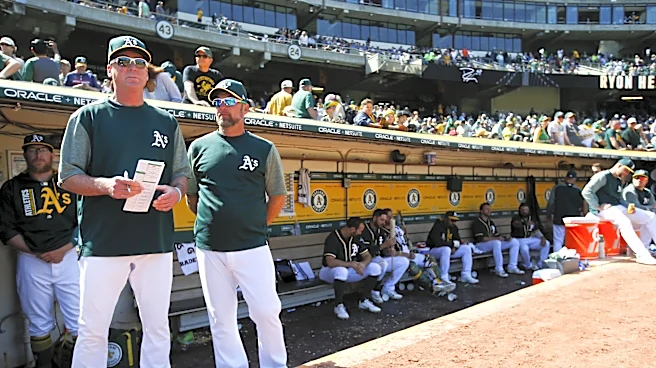
The Oakland Athletics' front office is actively evaluating arbitration-eligible players as the non-tender deadline approaches. President of Baseball Operations Taylor Smith and general manager Cam Castro are expected to tender contracts to several key
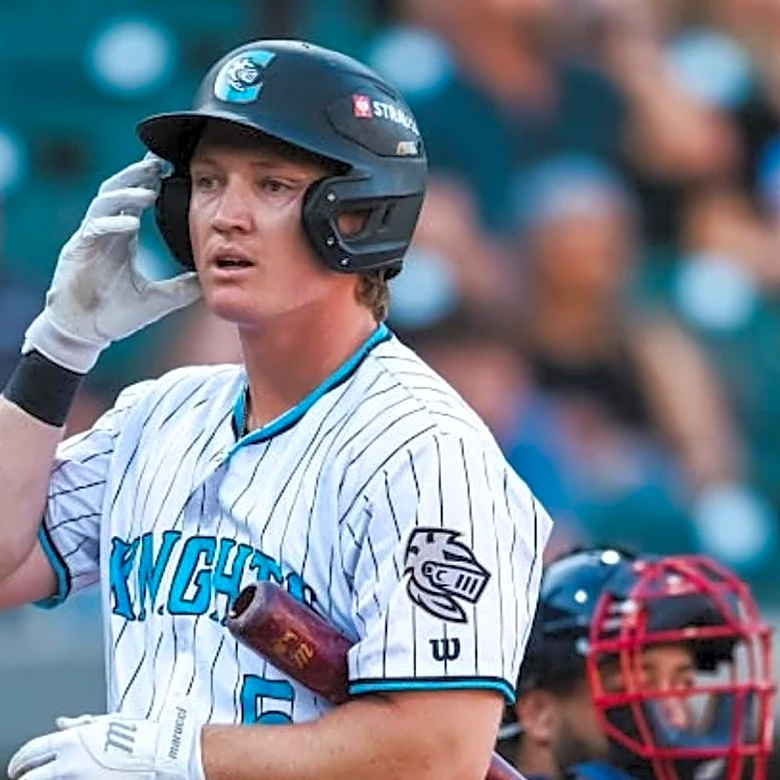
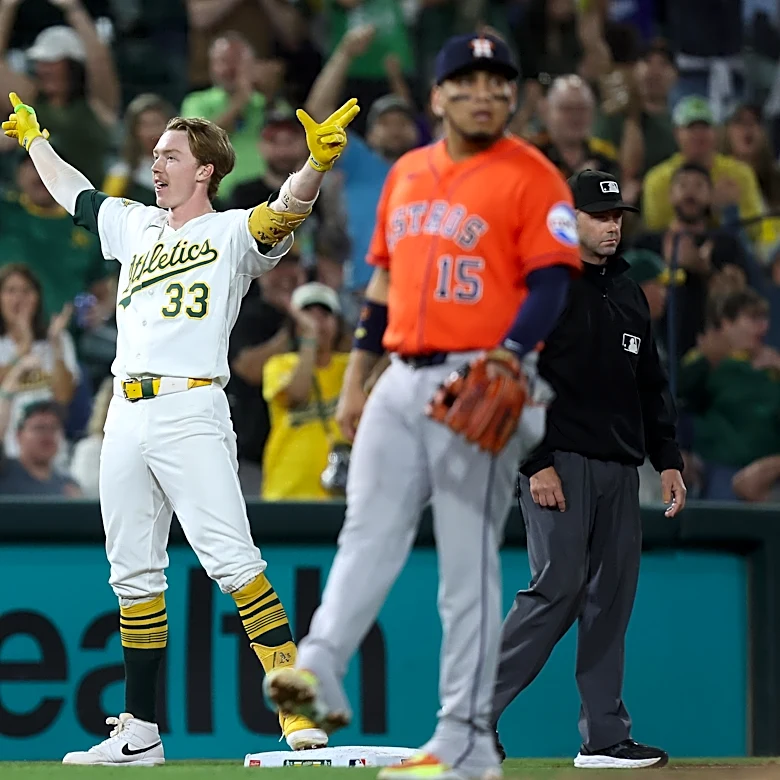
players, including pitchers Luis Medina and Hogan Harris, catcher Shea Langeliers, and infielder Zack Gelof. This decision-making process is a crucial step in shaping the team's roster for the upcoming season. The Athletics have historically avoided competing for top-tier free agents, instead prioritizing the development of organizational depth. This strategy is evident in their recent signings of players with potential but also question marks, such as Joey Wiemer and Luke Little, to minor league deals. The team's focus remains on building from within and making strategic, cost-effective moves rather than engaging in high-spending free-agent pursuits. This approach contrasts with the broader MLB offseason market, which has seen significant activity with major trades and free-agent signings by other teams.
Why It's Important?
The Athletics' approach to the non-tender deadline and free agency has significant implications for their competitive outlook and long-term strategy. By focusing on organizational depth and developing players through minor league deals, the team aims to build a sustainable roster without the high financial commitments associated with top-tier free agents. This strategy is particularly important for a team like the Athletics, which operates with a more limited budget compared to many other MLB franchises. The decisions made regarding contract tenders will directly impact the composition of their major league roster and the talent pool available for the upcoming season. The retention of players like Medina, Harris, Langeliers, and Gelof signals the organization's belief in their potential contributions. Conversely, any non-tenders could open up roster spots for new talent or prospects, further shaping the team's future direction. This measured approach reflects a commitment to a long-term rebuilding process rather than immediate, high-cost solutions.
What's Next?
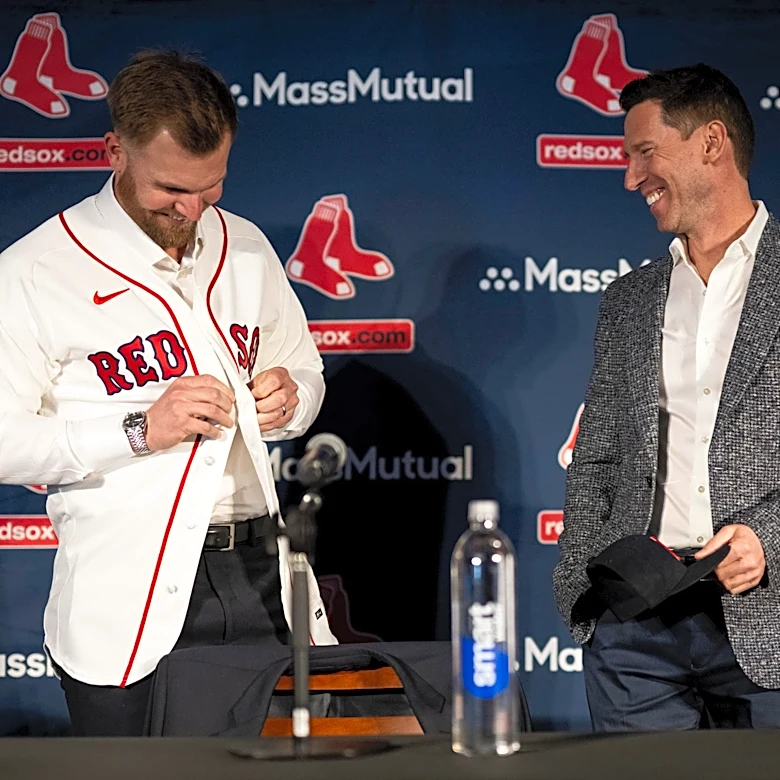
The immediate next step for the Oakland Athletics is to finalize their decisions on which arbitration-eligible players will be tendered contracts before the non-tender deadline. Following this, President of Baseball Operations Taylor Smith and general manager Cam Castro will continue to navigate the free-agent market, albeit with their established focus on organizational depth rather than high-profile signings. Their initial major transactions in their new roles are still anticipated, and these moves will provide further insight into their strategic vision for the team. The broader MLB offseason market is expected to continue its activity, though a potential lockout could halt transactions. For the Athletics, the focus will likely remain on identifying undervalued talent and prospects to bolster their farm system and major league roster. Future moves will aim to complement the core group of players they choose to retain, aligning with their strategy of building a competitive team through internal development and strategic acquisitions.
Beyond the Headlines
The Oakland Athletics' consistent strategy of prioritizing organizational depth and avoiding top-tier free agency reflects a broader philosophical approach to team building in professional sports. This model, often necessitated by financial constraints, emphasizes scouting, player development, and strategic trades over large-scale spending. While it can lead to periods of rebuilding and less immediate competitiveness, it aims for long-term sustainability and a strong farm system. The success of this strategy hinges on effective player evaluation and development, as well as the ability to identify and acquire undervalued talent. This approach also has implications for fan engagement, as it often requires patience and a focus on future potential rather than immediate star power. The team's decisions at this deadline and throughout the offseason will be a test of this philosophy, demonstrating how they balance financial prudence with the imperative to build a competitive roster in a challenging market.