




What's Happening?
The popular American sitcom 'Two and a Half Men,' which first aired in 2003 and ran for 12 seasons, featured Charlie Sheen as Charlie Harper and Jon Cryer as Alan Harper. Their on-screen 'bromance' was a significant draw for audiences. Charlie Sheen,
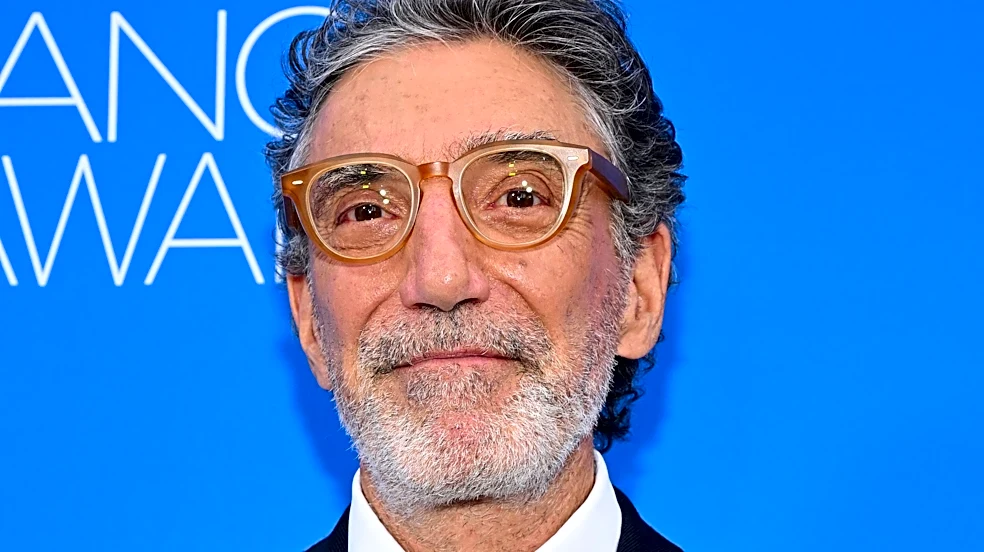
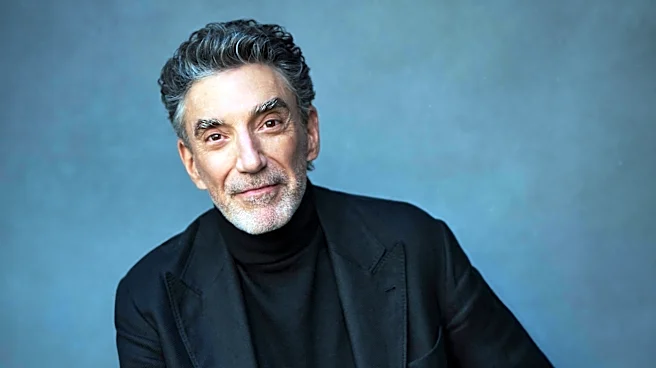
known for his energetic portrayal, brought to life a complex character often involved in humorous predicaments due to his womanizing tendencies. However, Sheen departed the show midway through season 8, following a highly publicized dispute with the show's creator, Chuck Lorre. This departure led to a major cast change, with Ashton Kutcher joining the series as Walden Schmidt, a billionaire internet entrepreneur. Kutcher's debut aired on March 17, 2011, and his character's introduction altered the show's dynamic and plotlines, which was well-received by fans. Jon Cryer remained a central figure throughout the show's entire run, from season 1 to 12.
Why It's Important?
The casting and subsequent changes in 'Two and a Half Men' highlight the significant impact that lead actors and behind-the-scenes conflicts can have on a major television production. Charlie Sheen's departure and the introduction of Ashton Kutcher demonstrated the resilience of a successful sitcom to adapt to unforeseen circumstances, maintaining its audience base despite a core cast member's exit. This event also underscored the power dynamics between creators, networks, and talent in the entertainment industry, where disputes can lead to dramatic shifts in production and narrative direction. The show's ability to continue for several more seasons with a new lead, while retaining key cast members like Jon Cryer, illustrates the importance of strong ensemble support and adaptable storytelling in sustaining long-running series. The transition also provided a case study in how a show can successfully rebrand and evolve its central premise.
What's Next?
While 'Two and a Half Men' concluded its run in 2015, the legacy of its cast changes continues to be a point of discussion in television history. The successful transition from Charlie Sheen to Ashton Kutcher set a precedent for how major sitcoms might handle the departure of a lead actor, potentially influencing future production decisions in similar situations. The careers of the actors involved, particularly Jon Cryer, who remained with the show for its entire duration, and Ashton Kutcher, who successfully stepped into a challenging role, continue to evolve. The show's narrative arc, including the evolution of characters like Alan Harper, provides a complete story for viewers. Future analyses of long-running television series may reference 'Two and a Half Men' as an example of both the challenges and opportunities presented by significant cast alterations.
Beyond the Headlines
The dramatic shift in 'Two and a Half Men' goes beyond mere casting changes; it reflects broader industry trends concerning celebrity behavior, contractual disputes, and the creative control within television production. The public nature of Charlie Sheen's departure and the subsequent feud with Chuck Lorre brought to light the often-strained relationships between high-profile talent and showrunners. This incident sparked conversations about the responsibilities of actors to their productions and the networks' prerogative to protect their investments. Furthermore, the show's continued success post-Sheen's exit demonstrated that while star power is crucial, a well-established format and strong supporting cast can sometimes mitigate the loss of a lead. It also highlighted the audience's willingness to embrace new dynamics, provided the core comedic elements remain intact, offering insights into viewer loyalty and adaptability in the face of significant changes.