







What's Happening?
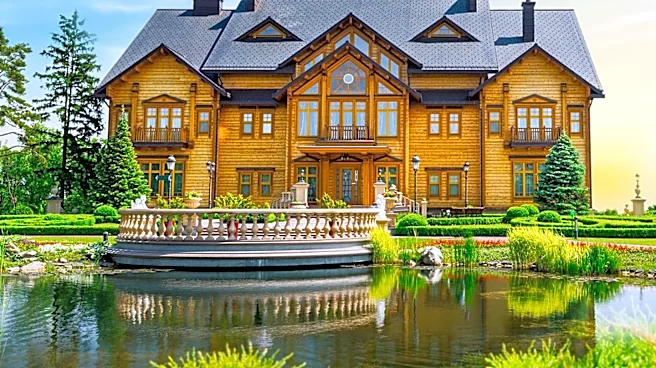
As the United States approaches its 250th anniversary, attention is being drawn to classic American home styles that have significantly contributed to the country's architectural heritage. These styles, which include Prairie, Ranch, Craftsman, American Foursquare,
and Cape Cod, reflect the independent spirit and diverse landscapes of the U.S. The Prairie-style home, for instance, is characterized by its low-pitched roof and overhanging eaves, while the Ranch-style residence offers a sun-soaked open floor plan. The Craftsman home is noted for its hand-crafted details, and the American Foursquare is known for its cube shape and spacious layout. Lastly, the Cape Cod style features a gabled roof and modernized interiors. These homes, located across various states, are celebrated for their unique designs and historical significance.
Why It's Important?
The focus on these architectural styles underscores the cultural and historical significance of American design. As the nation celebrates its 250th anniversary, these homes serve as a testament to the evolution of American architecture, which has moved from European influences to distinctively American styles. This celebration not only highlights the aesthetic and functional aspects of these homes but also their role in shaping the American dream. The preservation and appreciation of these styles can boost local economies through tourism and real estate, as well as foster a sense of national pride and identity.
What's Next?
As interest in these architectural styles grows, there may be increased efforts to preserve and restore such homes, potentially leading to new policies or incentives for historical preservation. Real estate markets might see a rise in demand for homes with historical significance, prompting developers and homeowners to invest in restoration projects. Additionally, educational initiatives could emerge to inform the public about the importance of architectural heritage, further embedding these styles into the cultural fabric of the nation.
Beyond the Headlines
The celebration of these architectural styles also raises questions about sustainability and modern living. As these homes are restored or maintained, there may be opportunities to integrate modern, eco-friendly technologies without compromising their historical integrity. This could lead to a broader discussion on how to balance preservation with innovation, ensuring that these homes remain relevant and functional in contemporary society.