






What's Happening?
Sierra Pacific Industries, a fourth-generation family-owned company based in Northern California, has grown to become one of the largest lumber and millwork producers in the United States. Established in 1949, the company employs approximately 6,500 individuals
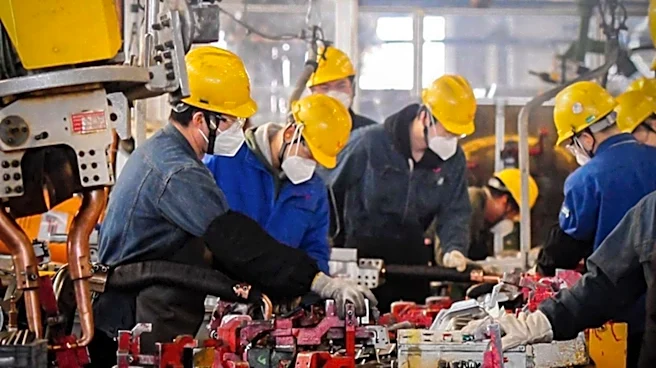
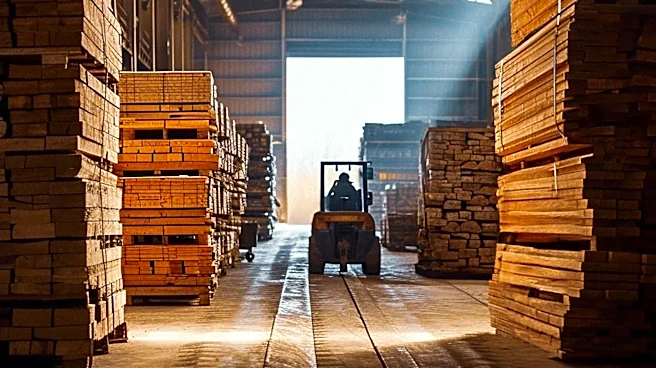
across various state-of-the-art facilities. These operations span manufacturing, custom wood-framed windows, fabrication, millwork, veneer, cogeneration, trucking, and forestry. Sierra Pacific Industries is recognized for its commitment to internal growth, offering training and promotion opportunities from within its ranks. The company provides a comprehensive benefits package, including low-cost health benefits, a retirement plan with employer-paid contributions, paid vacation, and ten holidays. Furthermore, Sierra Pacific Industries is an Equal Opportunity Employer, actively including individuals with disabilities and veterans in its workforce. The company also highlights its efficient use of wood resources, utilizing nearly 100% of every piece of wood processed, with any unused portions converted into electricity at its biomass-fueled power plants.
Why It's Important?
Sierra Pacific Industries' operational model underscores several significant trends within the U.S. manufacturing and natural resources sectors. Its status as a major lumber and millwork producer highlights the continued importance of domestic manufacturing and the timber industry to the national economy. The company's emphasis on sustainable forest management, including planting over 6 million new trees annually and managing 2.4 million acres of timberland under a 100-year plan, demonstrates a commitment to environmental stewardship that is increasingly vital for long-term resource availability and climate resilience. This approach also sets a precedent for other industries reliant on natural resources. Furthermore, Sierra Pacific's robust employee benefits and internal promotion policies are crucial for workforce development and retention in a competitive labor market, potentially influencing labor practices within the broader manufacturing sector. The efficient utilization of wood, converting waste into energy, showcases innovative approaches to resource management and contributes to renewable energy production, aligning with national goals for energy independence and reduced environmental impact.
What's Next?
Sierra Pacific Industries is expected to continue its focus on sustainable forestry and efficient resource utilization, potentially expanding its biomass-fueled power generation capabilities as part of its commitment to environmental responsibility. The company's ongoing investment in employee training and benefits suggests a sustained effort to attract and retain skilled labor, which could lead to further advancements in its manufacturing processes and product offerings. As a significant player in the U.S. lumber market, its operational strategies and production levels will likely continue to influence timber prices and availability for construction and other industries. The company's dedication to planting millions of trees annually indicates a long-term strategy for ensuring a sustainable supply of raw materials, which will be critical for meeting future demand while adhering to environmental standards. Its role as an Equal Opportunity Employer also suggests a continued commitment to diversity and inclusion within its workforce.
Beyond the Headlines
The practices of Sierra Pacific Industries extend beyond mere business operations, touching upon critical societal and environmental dimensions. The company's extensive land management practices, guided by professional foresters and biologists, highlight the complex interplay between industrial activity and ecological preservation. This integrated approach to forestry management is essential for maintaining biodiversity, mitigating climate change through carbon sequestration, and ensuring the health of vital ecosystems. The conversion of wood waste into electricity through biomass-fueled power plants represents a circular economy model, reducing landfill waste and providing a renewable energy source, which has broader implications for national energy policy and environmental sustainability. Moreover, the company's commitment to its employees through comprehensive benefits and internal growth opportunities reflects a corporate philosophy that values human capital, potentially fostering a more stable and skilled workforce in the often-demanding manufacturing sector. This model could serve as an example for other industries seeking to balance economic growth with social responsibility and environmental stewardship.