




What's Happening?
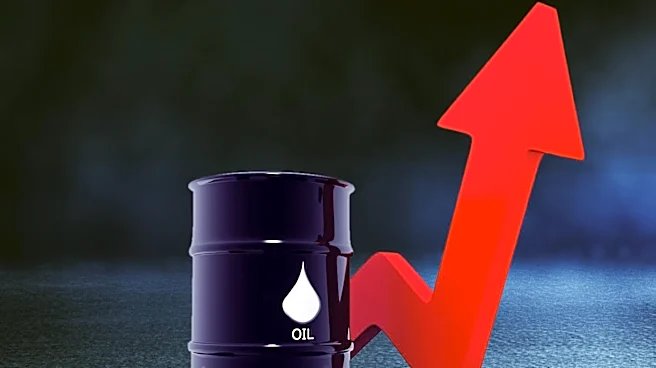
India's imports of Russian crude oil are projected to decrease by nearly 400,000 barrels per day (b/d) in November, while purchases from Brazil are expected to almost quadruple. This shift indicates a change in India's oil sourcing strategy, driven by fluctuating
prices that make alternative supplies more attractive to refiners. Russian deliveries are estimated at around 1.7 million b/d in November, down from approximately 2.07 million b/d in October. This decline follows a period earlier in the year when Russian supplies constituted over half of India's crude imports. The primary reason for this change is pricing; Russian Urals crude was offered at a premium to Dated Brent in early October, making it more expensive than competing grades. However, Russian producers have since begun offering Urals at a discount, which is expected to increase Indian orders for December deliveries. Meanwhile, imports from the Middle East Gulf, particularly Saudi Arabia and Iraq, are also increasing, and Brazilian crude imports are projected to reach around 400,000 b/d in November, up from 100,000 b/d in October.
Why It's Important?
This shift in India's oil procurement strategy is significant for global energy markets and the effectiveness of sanctions against Russia. India is a major oil consumer, and its purchasing decisions have a substantial impact on global demand and pricing. The reduction in Russian oil imports, even if temporary due to pricing, demonstrates that economic incentives can influence trade patterns despite geopolitical pressures. This diversification of supply sources enhances India's energy security by reducing its reliance on a single supplier. For Russia, a decrease in sales to a key market like India, even if offset by other buyers, could impact its overall oil revenues and its ability to circumvent Western sanctions. The increase in Brazilian and Middle Eastern supplies also highlights the dynamic nature of global oil trade, where producers are constantly adjusting to market conditions and geopolitical factors.
What's Next?
As Russian producers have adjusted their pricing to offer discounts, Indian refiners are expected to increase their orders for December deliveries, suggesting that the current decline in Russian imports may be temporary. The seasonal closure of the Northern Sea Route is also anticipated to free up more Russian crude for India. India will likely continue to balance its energy security needs with economic considerations, seeking the most cost-effective and reliable suppliers. The ongoing adjustments in global oil prices and geopolitical developments will continue to shape India's import decisions. This dynamic environment means that India's oil sourcing will remain fluid, responding to both market signals and strategic imperatives.
Beyond the Headlines
The evolving trade relationship between India and Russia in the oil sector underscores the complexities of international sanctions and the pursuit of national economic interests. While Western nations aim to isolate Russia economically, countries like India prioritize affordable energy for their growing economies. This situation highlights the limitations of sanctions when major global players find ways to adapt. The increased reliance on Brazilian and Middle Eastern oil also points to a broader trend of diversifying energy sources to mitigate risks associated with geopolitical instability. This could lead to new trade alliances and infrastructure developments, reshaping the long-term landscape of global energy supply and demand. The ethical considerations of purchasing oil from sanctioned nations remain a point of international debate, influencing diplomatic relations and global policy.