




What's Happening?
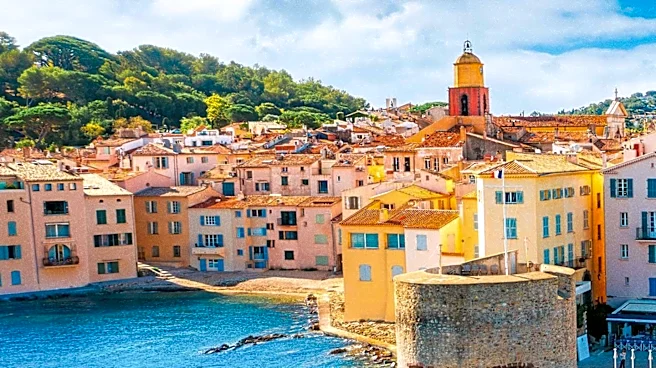
St. Tropez, once a quaint Mediterranean fishing village and a glamorous retreat for Hollywood royalty, has become a hotspot for influencers and luxury brands. The town, known for its understated elegance, is now facing overtourism and commercialization
driven by social media culture. Influencers and luxury brands have descended on the area, turning it into a backdrop for content creation and brand activations. This influx has led to overcrowding and a surge in prices, making St. Tropez the most expensive beach destination in France. Despite the changes, the town retains its historic charm, with pastel-hued houses and cobblestone streets now lined with luxury shops.
Why It's Important?
The transformation of St. Tropez highlights the broader impact of influencer culture and social media on travel destinations. As influencers seek picturesque locations for content, traditional vacation spots are becoming commercialized, affecting local economies and cultures. The influx of tourists and luxury brands can lead to economic growth but also risks losing the town's original character. This trend reflects a shift in how destinations are valued, not just for their beauty but as stages for social media visibility. The situation in St. Tropez serves as a case study for other destinations facing similar pressures.
What's Next?
As St. Tropez continues to attract influencers and luxury brands, local authorities and businesses may need to address the challenges of overtourism and commercialization. Strategies could include managing tourist numbers, preserving cultural heritage, and balancing economic benefits with community needs. The town's experience may influence how other destinations approach the impact of social media and influencer culture. Stakeholders, including local governments and tourism boards, might consider policies to protect the authenticity of their locales while accommodating the demands of modern tourism.
Beyond the Headlines
The situation in St. Tropez raises questions about the sustainability of influencer-driven tourism. The environmental impact of increased travel and the cultural implications of transforming traditional locales into commercial hubs are significant concerns. Additionally, the trend highlights the power of social media in shaping travel behaviors and the potential for destinations to lose their unique identities. As more places become subject to similar dynamics, there may be a growing call for responsible tourism practices that prioritize long-term cultural and environmental preservation.