




What's Happening?
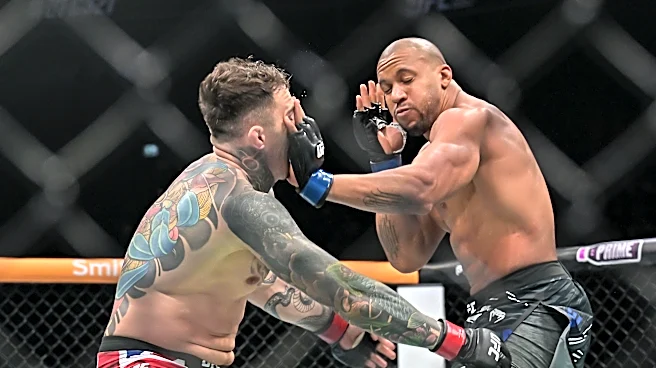
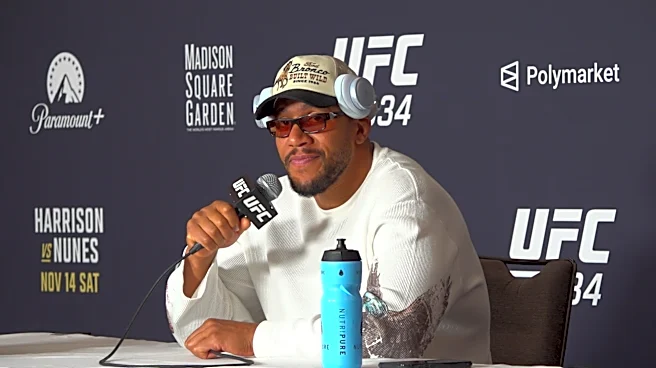
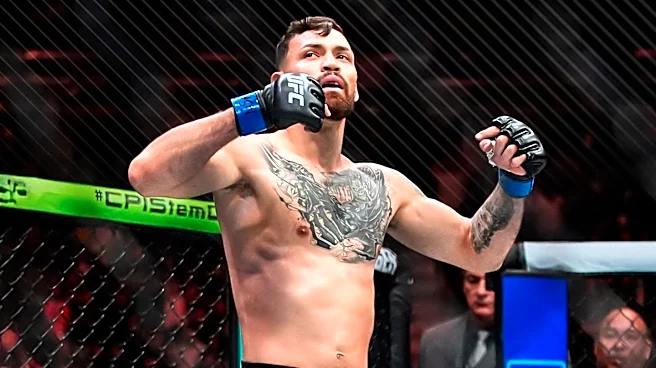
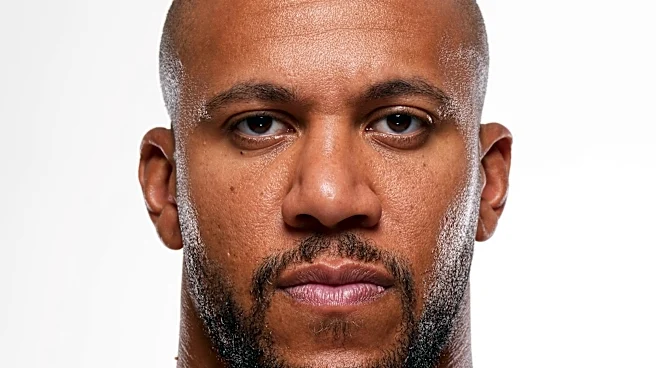
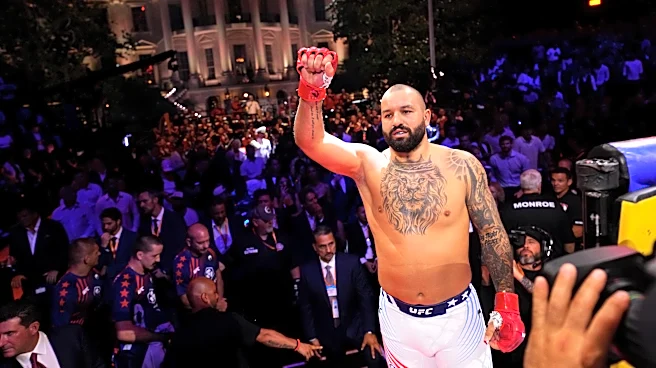
UFC President Dana White and the organization are grappling with a perception issue regarding the upcoming UFC 334 main event heavyweight championship fight between Ciryl Gane and Josh Hokit. Despite the fight being described as compelling, the winner
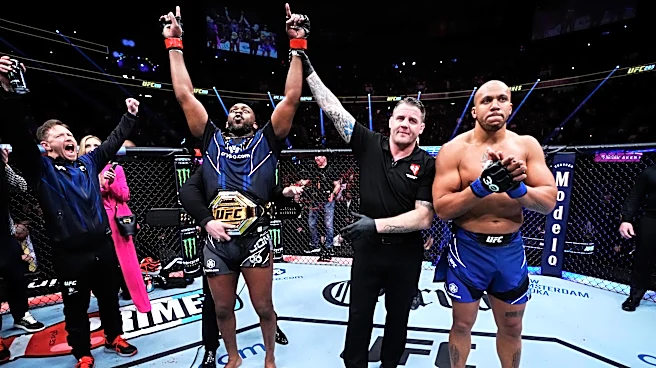
is widely considered to be, at best, the fourth-best heavyweight MMA fighter globally. This situation challenges the long-held notion that the UFC heavyweight champion is the 'baddest man on the planet.' The current champion, Ciryl Gane, is a skilled striker but is seen by many as less dominant than former UFC champions Francis Ngannou and Jon Jones, and even Tom Aspinall, who Gane never definitively defeated. Ngannou left the UFC as the lineal champion, and Jones, despite sporadic activity, remains a formidable figure. Aspinall's career was put on hold due to a rare eye condition after a no-contest bout with Gane. The UFC 334 bout features Gane against the undefeated rising star Josh Hokit, but the broader context suggests a gap in top-tier heavyweight talent within the active UFC roster.
Why It's Important?
This situation is significant for the UFC's brand and its claim as the premier mixed martial arts organization. The 'baddest man on the planet' title has historically been a powerful marketing tool, drawing significant attention and legitimizing the sport's top division. If the UFC's heavyweight champion is perceived as inferior to fighters outside or less active within the organization, it could diminish the prestige of the title and potentially impact pay-per-view buys and overall fan engagement for heavyweight events. For Dana White, maintaining the UFC's elite status is crucial for business, and a weakened heavyweight division could lead to questions about fighter retention and the ability to attract top talent. The absence of a universally recognized, undisputed 'baddest man' could also open doors for rival promotions to challenge the UFC's dominance in the heavyweight landscape.
What's Next?
The immediate focus will be on the outcome of UFC 334 and whether the winner, Gane or Hokit, can deliver a performance that shifts public perception. However, the underlying issue of top heavyweight talent will likely persist. The UFC may need to strategize on how to re-engage former champions like Francis Ngannou or entice Jon Jones back into consistent competition to solidify the division's top ranks. Developing new, undisputed stars who can command global recognition will be critical. The organization might also explore new talent acquisition strategies or promotional narratives to elevate the status of its active heavyweight roster. The long-term health of the heavyweight division, and by extension, a significant part of the UFC's appeal, hinges on addressing this 'baddest man on the planet' problem.
Beyond the Headlines
Beyond the immediate sporting implications, this scenario touches upon the evolving landscape of combat sports and fighter power. The departure of a top-tier fighter like Francis Ngannou highlights the increasing leverage athletes may have in contract negotiations, especially when alternative platforms or boxing opportunities exist. This could lead to a more fragmented combat sports ecosystem where top talent is spread across various promotions, challenging the UFC's traditional near-monopoly on elite MMA fighters. The debate also reflects a broader cultural shift in how athletic dominance is perceived and measured, moving beyond a single organization's championship to a more global and fluid assessment of talent. This could force the UFC to adapt its business model and fighter relations to remain competitive in a dynamic market.