



What's Happening?
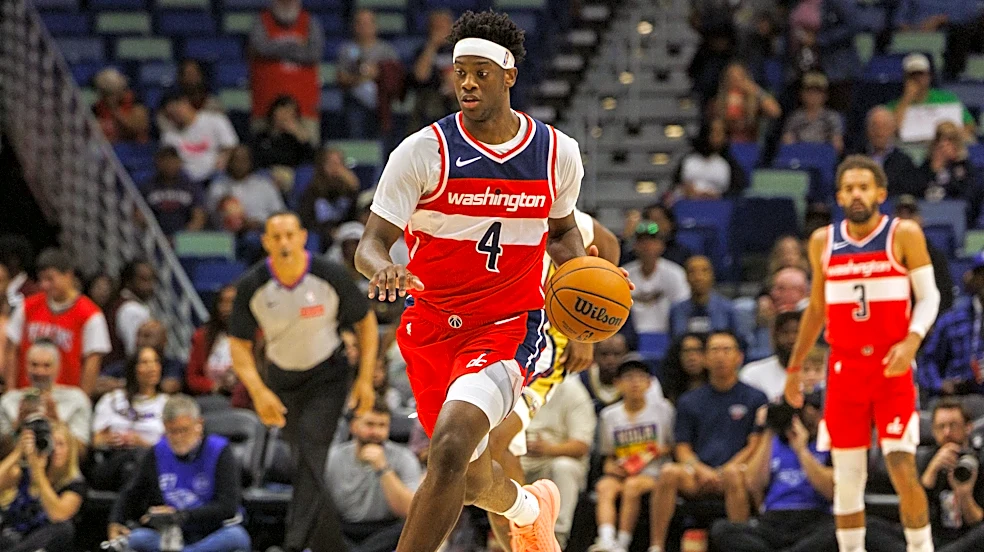
The Washington Wizards have officially announced their 18-player opening night roster for the 2026-27 NBA season. The team is set to begin its regular season on October 21, 2026, against the Milwaukee Bucks at Capital One Arena. This roster features a blend
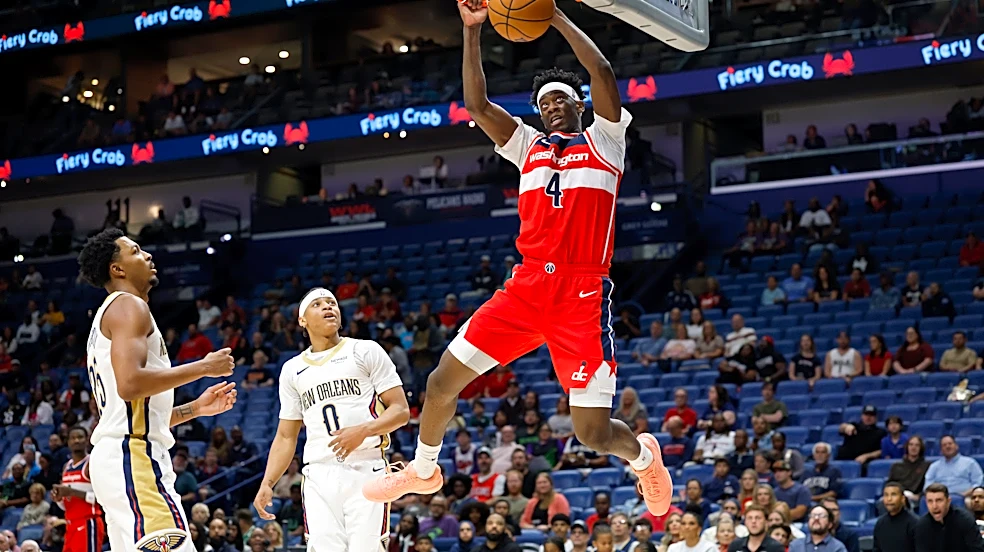
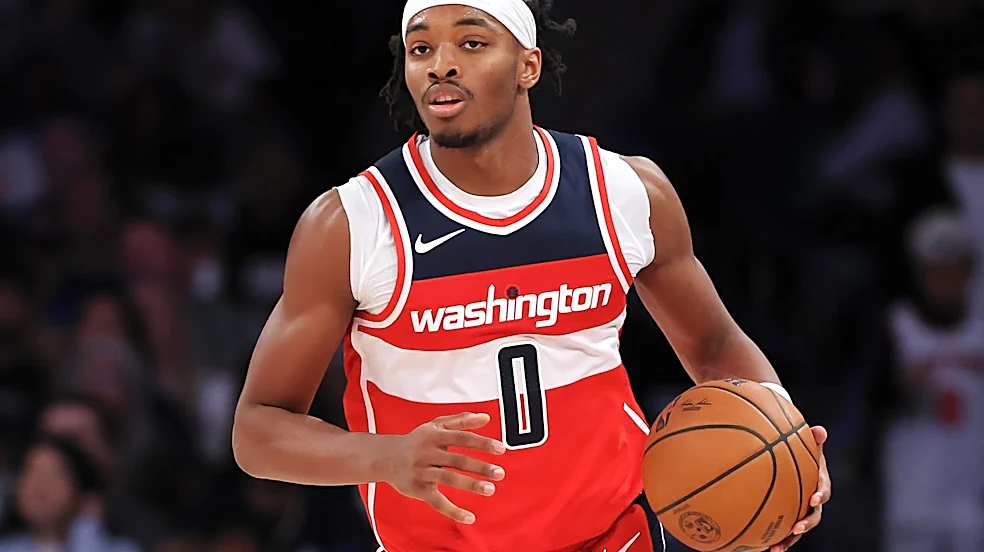
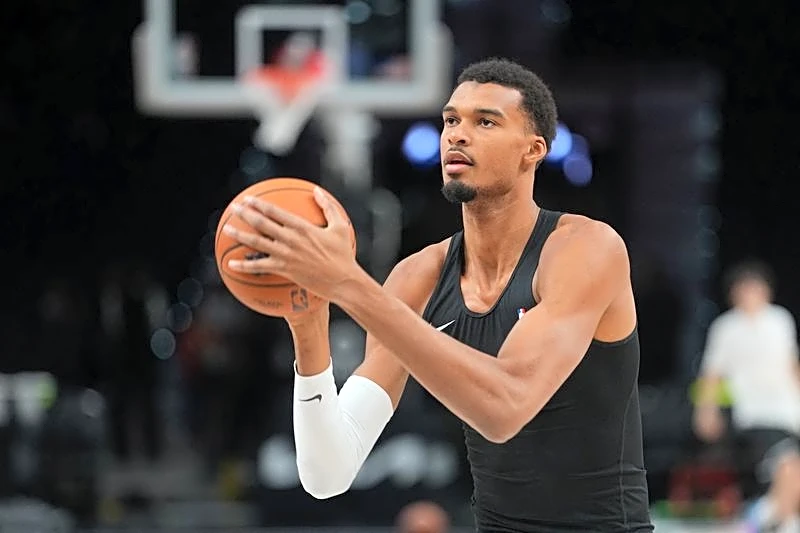
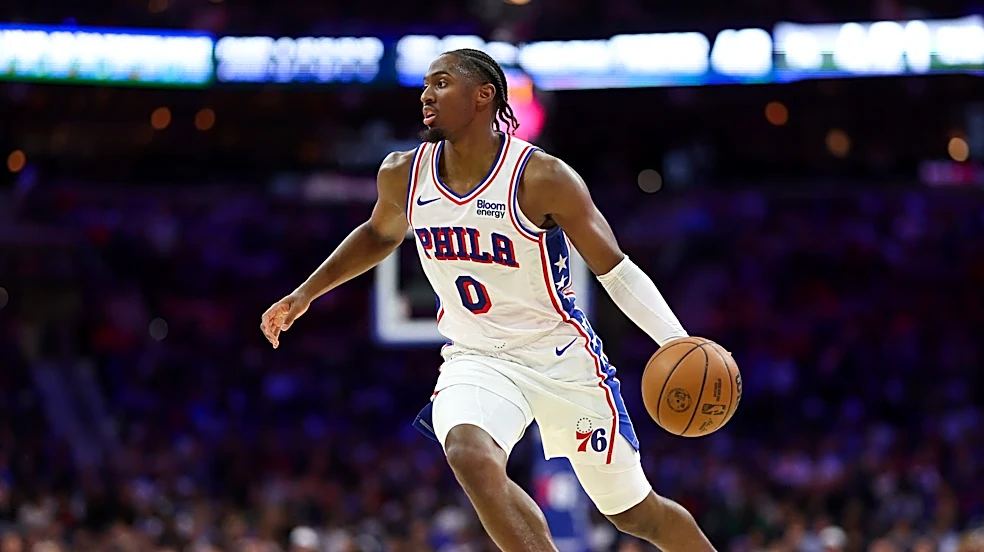
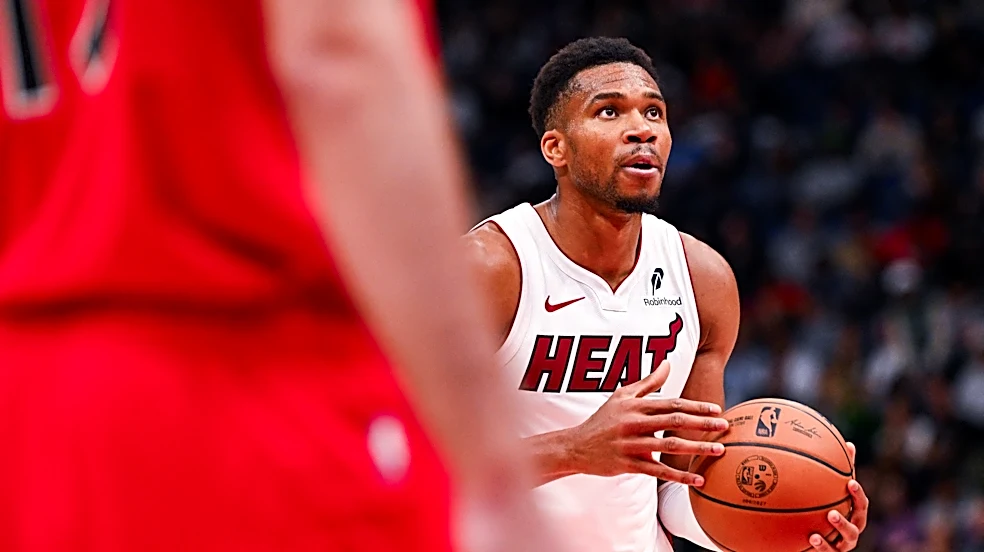
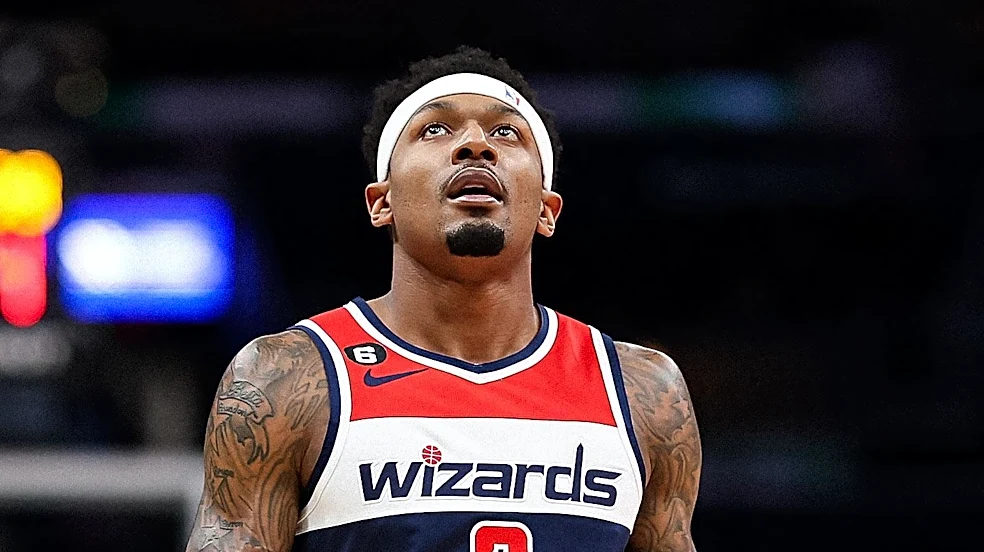
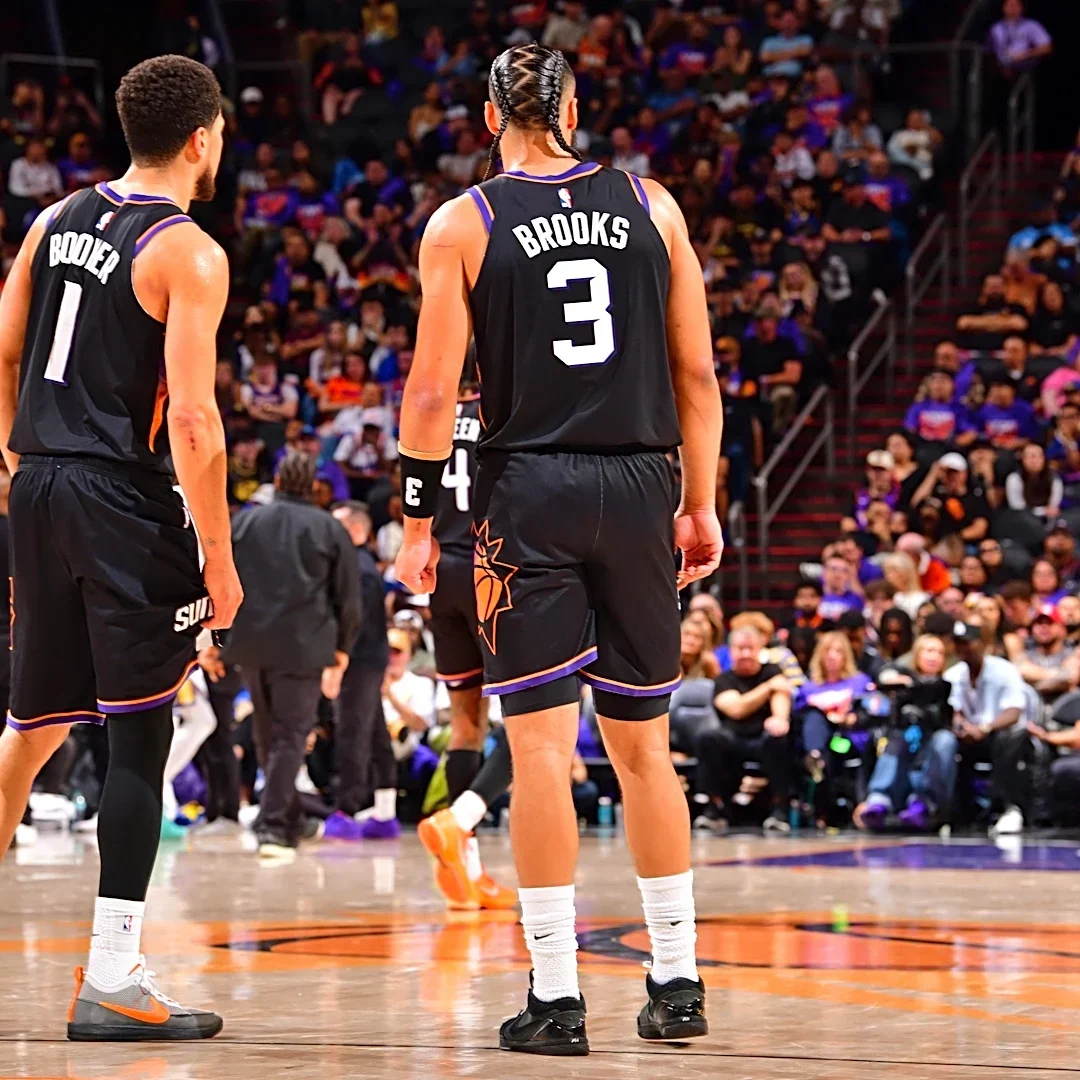
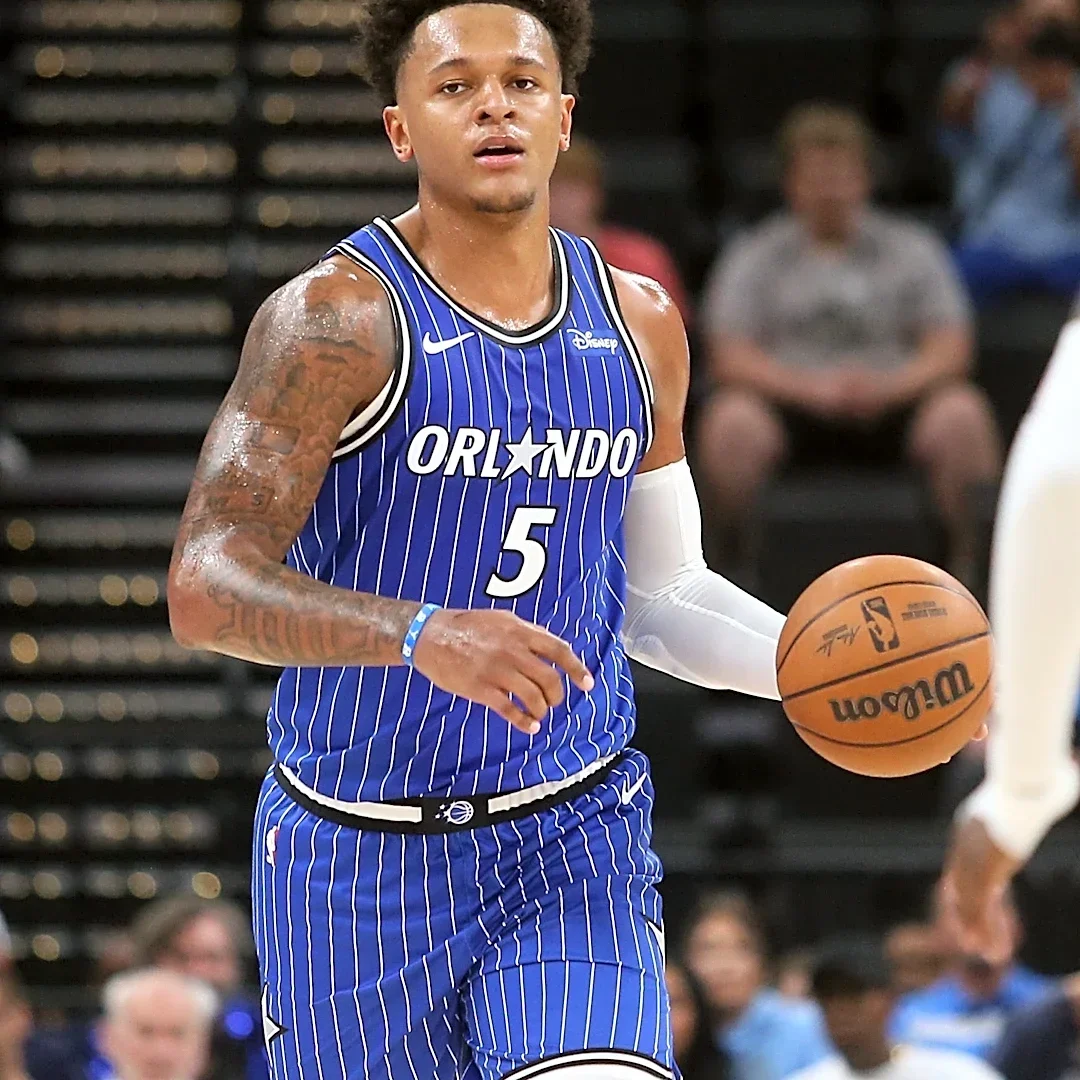
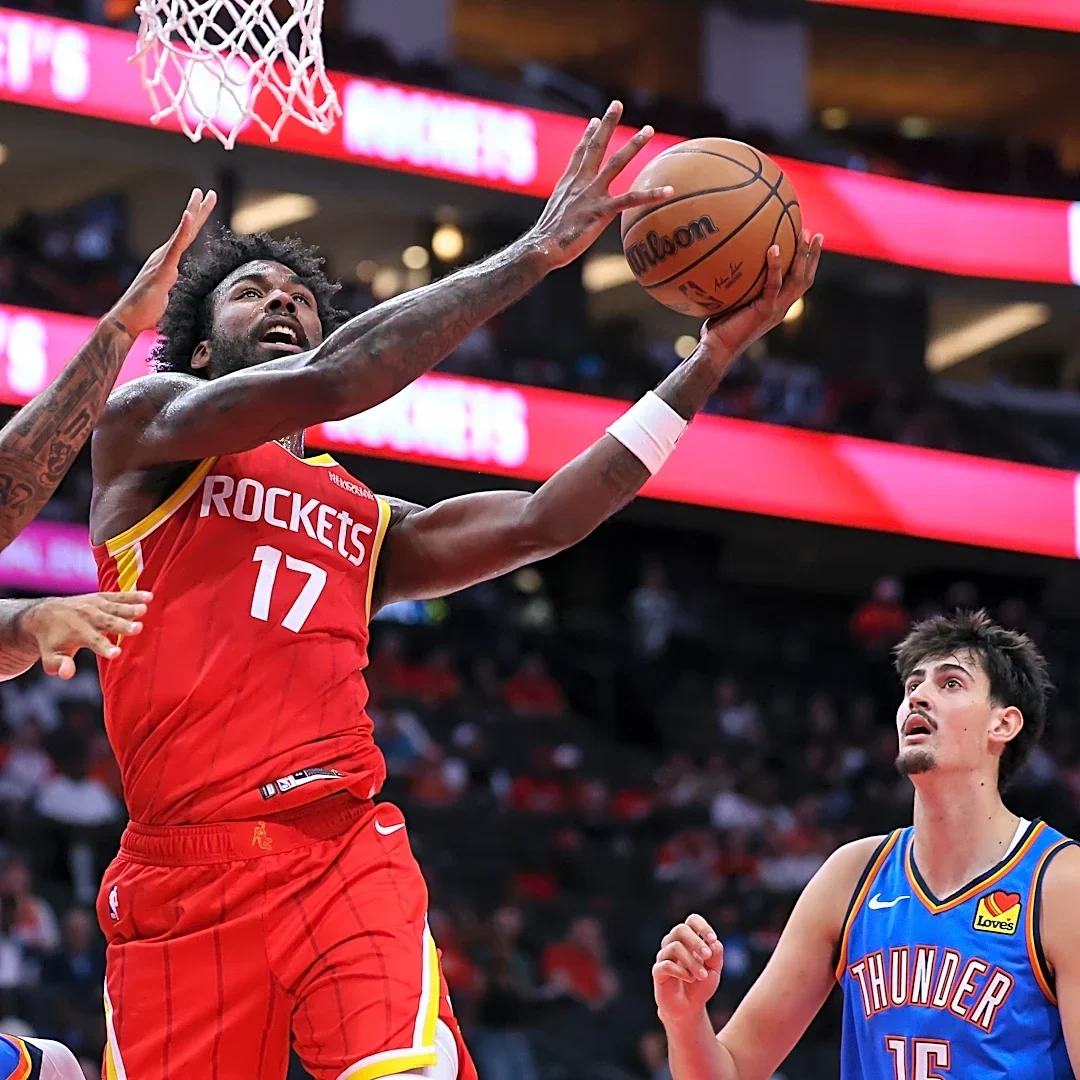
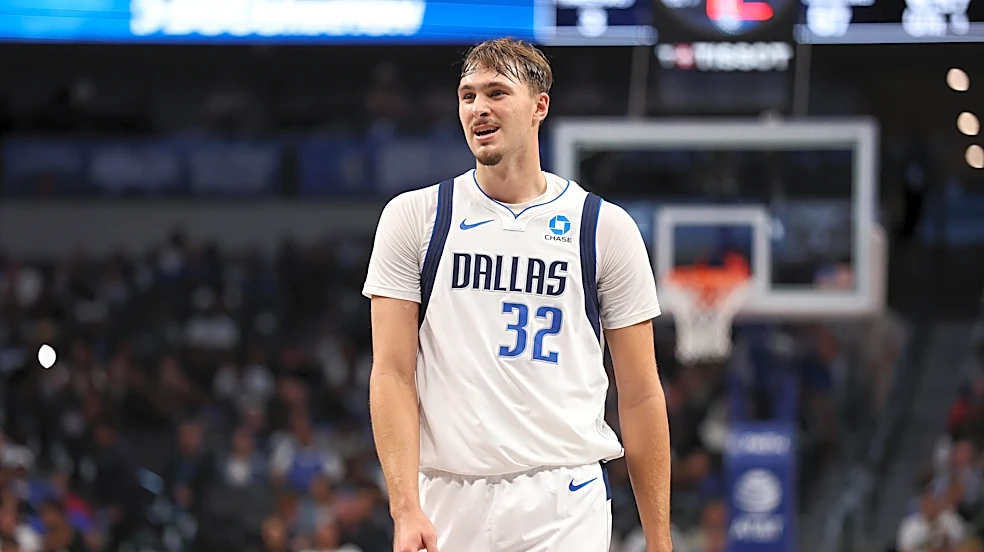
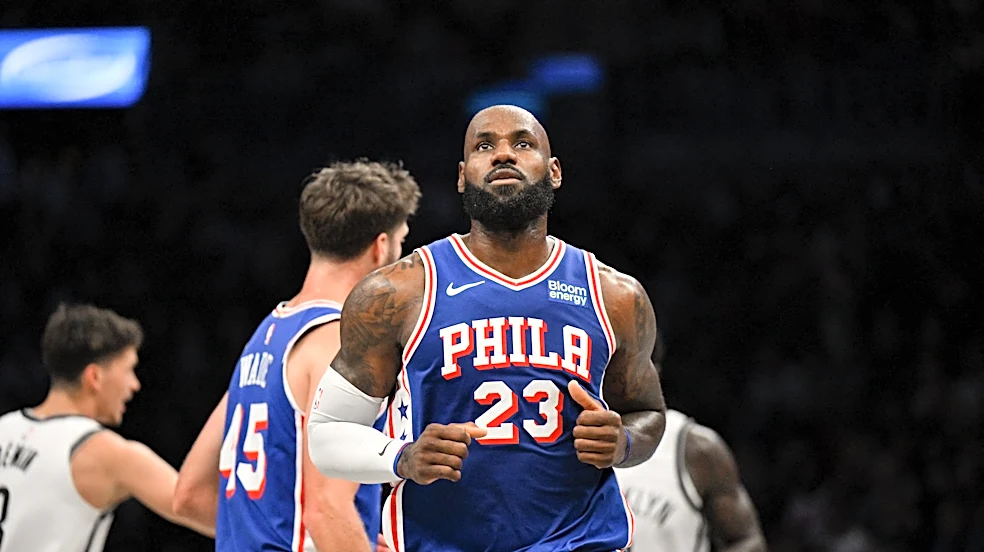
of established NBA stars, promising young talent, and significant offseason acquisitions, signaling a new direction for the franchise after several disappointing seasons. Key additions include four-time NBA All-Star Trae Young, championship-experienced Anthony Davis, Deandre Ayton, and Khris Middleton. These veterans are expected to play alongside young prospects like first overall pick AJ Dybantsa and Alex Sarr. The team aims to improve significantly from its 17-65 record in the 2025-26 season, which saw them finish last in the Eastern Conference. Head coach Brian Keefe faces the challenge of integrating these new talents and balancing player development with the heightened expectations for a competitive season. Notably, AJ Dybantsa's availability for the season opener is uncertain due to a left ankle sprain sustained in the preseason finale.
Why It's Important?
This roster announcement marks a pivotal moment for the Washington Wizards, indicating a clear shift from rebuilding to actively competing for a postseason position. The acquisition of high-caliber players like Trae Young and Anthony Davis brings much-needed star power, offensive firepower, and defensive presence, which could significantly alter the team's identity and performance. Young's elite playmaking and shooting, combined with Davis's interior scoring, rebounding, and rim protection, are expected to create a more balanced and potent offensive and defensive unit. The integration of veterans like Ayton and Middleton provides crucial depth and experience, which can accelerate the development of younger players such as Dybantsa and Sarr. For the U.S. sports landscape, a revitalized Wizards team could inject new excitement into the Eastern Conference, potentially shifting competitive dynamics and increasing fan engagement in the Washington D.C. metropolitan area. The success of this new roster will be closely watched as a case study in how quickly a team can turn its fortunes around through strategic trades and draft picks, impacting future team-building philosophies across the league.
What's Next?
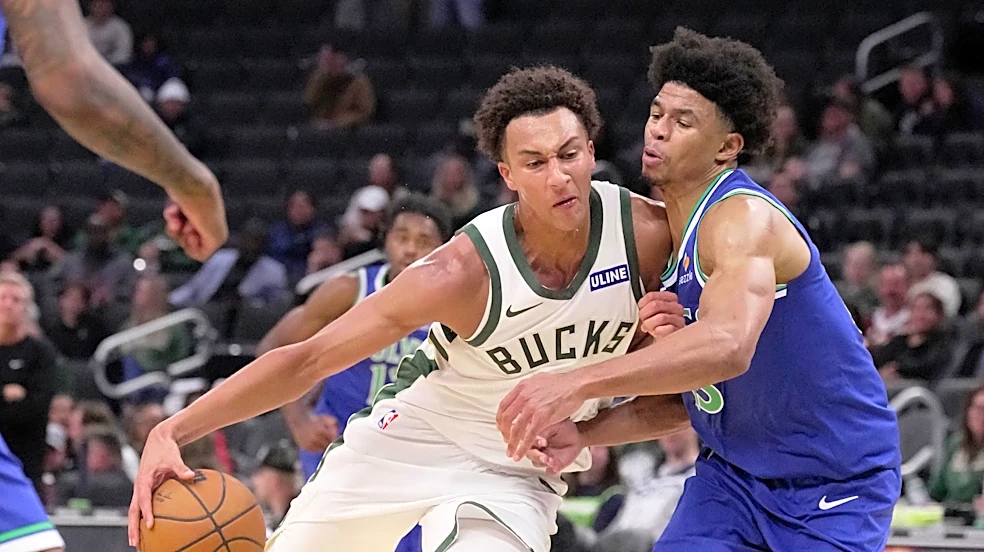
The Washington Wizards will kick off their highly anticipated 2026-27 season on October 21 against the Milwaukee Bucks at Capital One Arena. Following the home opener, they will host the Toronto Raptors on October 23 and then travel to face the Chicago Bulls on October 24. These initial games will provide an early indication of how effectively the new roster can gel and adapt to Head Coach Brian Keefe's system. A key immediate concern is the status of first overall pick AJ Dybantsa, who is day-to-day with a left ankle sprain; his absence could impact the team's early performance. The organization has planned special festivities for the home opener, including rally towels for fans and a halftime performance by rapper Waka Flocka Flame, aiming to generate excitement for the new era. The ability of Trae Young and Anthony Davis to develop chemistry and stay healthy will be crucial for the team's long-term success this season, as will the continued development of young talents like Alex Sarr and Bilal Coulibaly.
Beyond the Headlines
Beyond the immediate on-court performance, the Wizards' aggressive roster overhaul carries deeper implications for the franchise's long-term strategy and the broader NBA. The decision to invest heavily in established stars while simultaneously nurturing top draft picks like AJ Dybantsa reflects a dual-path approach to team building, aiming for both immediate competitiveness and sustainable future success. This strategy presents a delicate balance: the organization must ensure that the pursuit of short-term victories does not compromise the development of its young core. The challenge for Head Coach Brian Keefe will be to foster a cohesive team identity that integrates veteran leadership with youthful potential, particularly in addressing persistent issues like defense, rebounding, and turnovers. The success or failure of this ambitious project could influence how other NBA franchises approach their own rebuilding phases, potentially encouraging more aggressive moves to combine veteran talent with high-upside prospects. Furthermore, the renewed competitiveness could revitalize the Wizards' fan base and local sports economy, demonstrating the significant cultural and economic impact of a successful professional sports team.