









What's Happening?
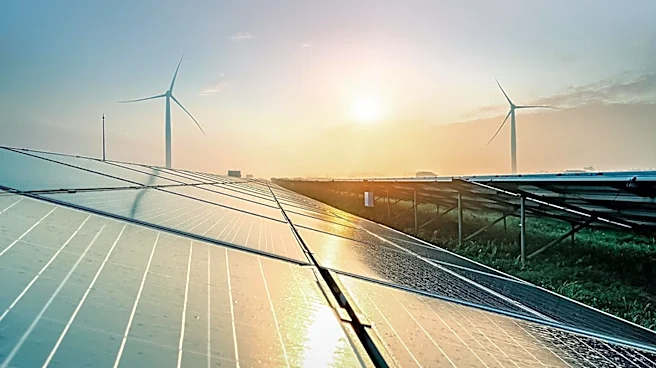
In April 2026, solar and wind energy each produced more electricity than coal in the United States, marking a significant milestone in the country's energy transition. According to the U.S. Energy Information Administration (EIA), renewable energy sources
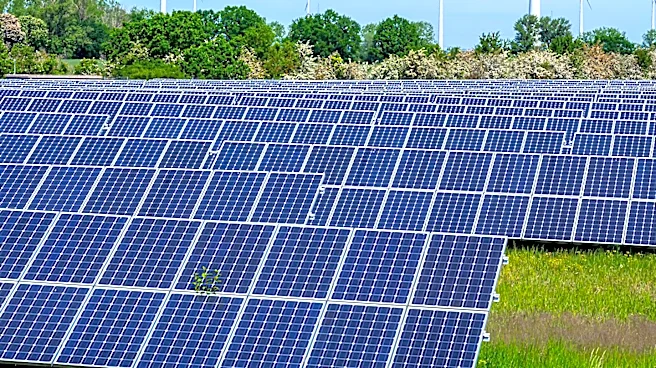
accounted for 30% of U.S. electricity generation in the first third of 2026. The growth in renewable energy is driven by the competitiveness of solar and wind power, which continue to expand rapidly despite federal support for coal. The SUN DAY Campaign reports that utility-scale solar capacity has surpassed wind for the first time, and battery storage capacity has also seen substantial growth.
Why It's Important?
The shift towards renewable energy represents a major transformation in the U.S. energy landscape, with significant implications for the environment and economy. The decline of coal and the rise of renewables contribute to reducing greenhouse gas emissions and combating climate change. This transition also supports energy independence and creates new economic opportunities in the renewable energy sector. The continued growth of solar and wind power highlights the potential for clean energy to meet the country's electricity needs sustainably.
What's Next?
The EIA projects further growth in renewable energy capacity, with solar and wind expected to add significant capacity by 2027. This expansion will likely continue to outpace fossil fuels, further reducing the share of coal in the energy mix. The development of battery storage technology will play a crucial role in integrating renewable energy into the grid and ensuring reliability. Policymakers and industry leaders will need to address challenges related to grid infrastructure and energy storage to support the ongoing transition to clean energy.