



What's Happening?
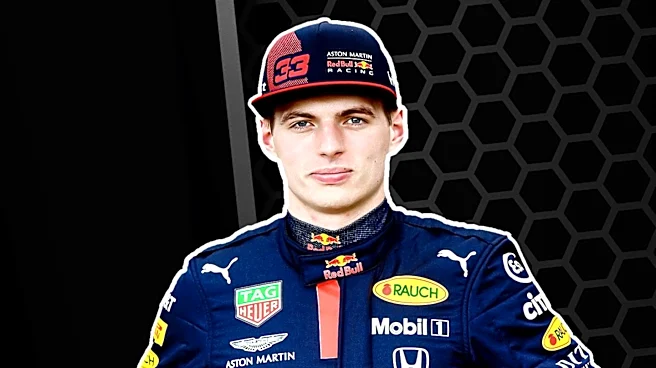
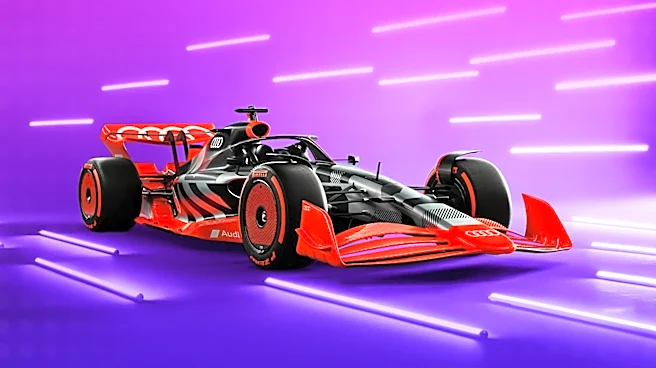
Gabriel Bortoleto, a Formula 1 driver for Audi, has highlighted the importance of adaptability over traditional driving styles in the current racing environment. This perspective is supported by Max Verstappen, who agrees that drivers must adjust to the car's
demands rather than adhere to a fixed driving style. Bortoleto, who has faced challenges with reliability and performance earlier in the season, has seen improvements as Audi progresses in the championship standings. Despite these challenges, Bortoleto maintains that adaptability is crucial, especially with the new 2026 regulations that have altered the dynamics of the sport. Verstappen, a four-time world champion, echoes this sentiment, emphasizing that the ability to adapt is essential for success in Formula 1.
Why It's Important?
The emphasis on adaptability in Formula 1 reflects broader changes in the sport, particularly with the introduction of new regulations in 2026. These changes require drivers to be more flexible and responsive to the unique demands of their vehicles. This shift could influence team strategies, car designs, and driver training programs, as adaptability becomes a key factor in competitive performance. For teams like Audi, which are striving to improve their standings, fostering adaptability among drivers could lead to better results and increased competitiveness. The focus on adaptability also highlights the evolving nature of Formula 1, where technological advancements and regulatory changes continuously reshape the landscape.
What's Next?
As the 2026 season progresses, teams and drivers will continue to adapt to the new regulations. This may involve further adjustments in car design and strategy to optimize performance under the current rules. Drivers like Bortoleto will need to refine their skills to remain competitive, while teams may invest in technologies and training that enhance adaptability. The ongoing dialogue about adaptability could also influence future regulatory decisions, as stakeholders assess the impact of the 2026 changes on the sport. Additionally, the performance of adaptable drivers could set new benchmarks for success in Formula 1, potentially reshaping the criteria for evaluating driver talent.