






What's Happening?
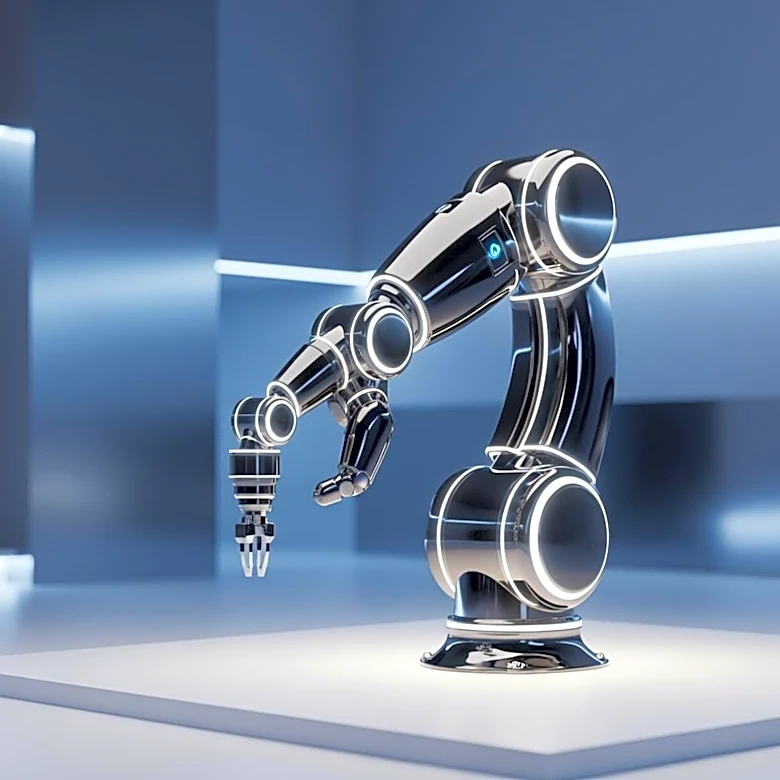
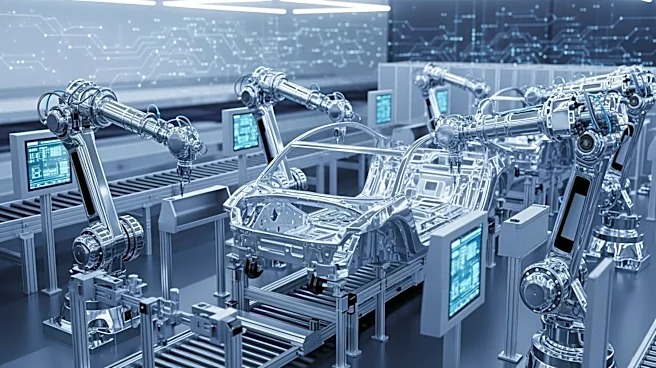
The deployment of physical AI-powered robots is increasing across U.S. manufacturing, logistics, and construction sectors to address persistent labor shortages. According to PYMNTS, U.S. manufacturers are projected to leave 2.1 million jobs unfilled by
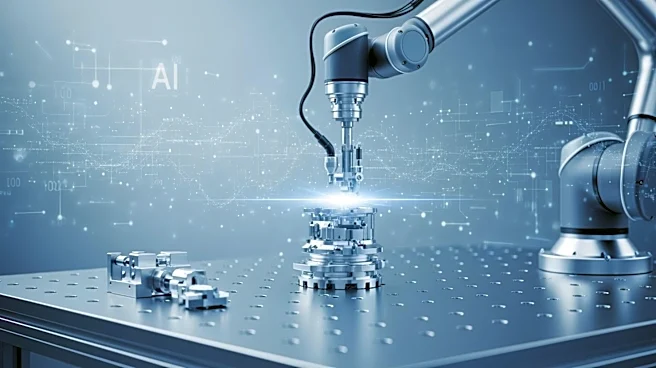
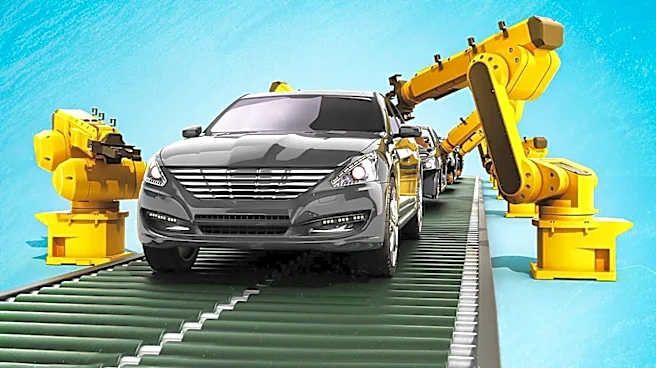
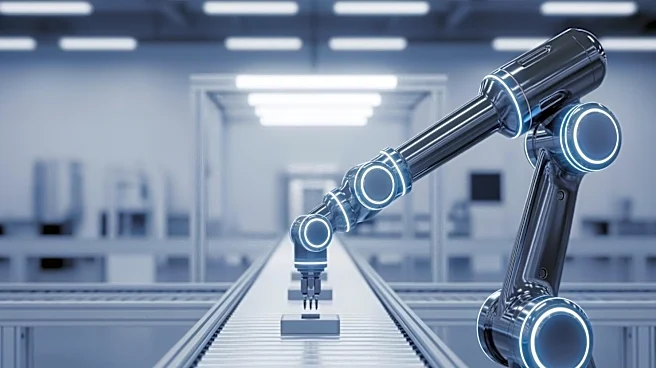
2030, highlighting the critical need for automation. Companies like Agility Robotics and Figure AI are utilizing robots to perform tasks such as moving totes and processing sheet-metal cycles, demonstrating the practical applications of AI in industrial settings. These robots are seen as essential tools for maintaining operations amid workforce gaps, particularly in environments with repetitive tasks.
Why It's Important?
The integration of physical AI in industrial sectors is a significant development in addressing labor shortages and enhancing productivity. By automating routine and labor-intensive tasks, companies can maintain operational efficiency despite workforce challenges. This shift not only helps in filling the employment gap but also allows human workers to focus on more complex and strategic roles. As the demand for automation grows, it could lead to increased investment in AI technologies and a reevaluation of workforce strategies across industries.
What's Next?
As more companies adopt physical AI solutions, there may be a greater emphasis on developing advanced robotics and AI technologies tailored to specific industrial needs. This could lead to innovations in robot design and functionality, further enhancing their capabilities. Additionally, the widespread use of AI in the workforce may prompt discussions around workforce training and the future of work, as industries adapt to a more automated environment.