






What's Happening?
Luxury all-inclusive resorts are undergoing a significant transformation, moving away from traditional buffet-centric models towards more sophisticated dining experiences, personalized services, and enhanced wellness facilities. According to Sylvia Scholey,
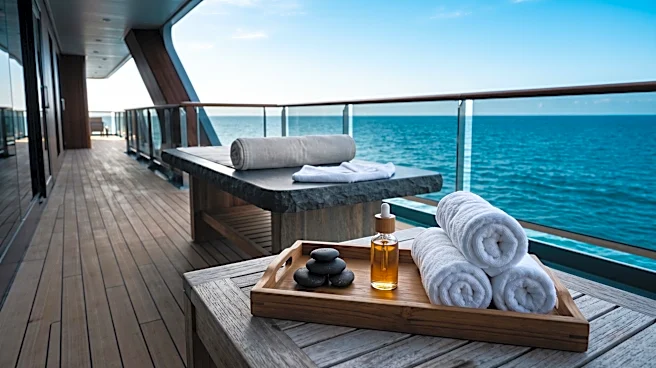
Hilton’s vice president and global head of all-inclusive and resorts, travelers now seek the freedom and ease of all-inclusive options combined with the distinctive depth and personalization expected from luxury brands. This shift is evident in the integration of all-inclusive models into established luxury hospitality philosophies by major hotel companies like Marriott and Hyatt. Gastronomy, once a clear differentiator between all-inclusive and independent luxury hotels, is now a defining element, with resorts offering à la carte dining, quality ingredients, premium beverages, and even Michelin-starred chef experiences. Wellness offerings have also expanded to include amenities like infrared yoga studios and state-of-the-art fitness centers, reflecting a broader change in traveler expectations.
Why It's Important?
This evolution in the luxury all-inclusive sector is important for the U.S. travel and hospitality industry as it caters to a more discerning and affluent traveler demographic. The move towards personalized service and high-end culinary experiences can attract a new segment of the market that previously avoided all-inclusive resorts due to perceptions of lower quality or standardized offerings. For hotel companies, this means an opportunity to expand their luxury portfolios and increase revenue by meeting the demand for convenience without compromising on luxury. Travelers stand to gain from a wider array of high-quality vacation options that combine the ease of an all-inclusive package with the sophistication of traditional luxury hotels. This trend also pushes the boundaries of what an all-inclusive resort can offer, potentially setting new standards across the industry and influencing consumer expectations for future travel experiences.
What's Next?
The trend of luxury hotel brands integrating all-inclusive models is expected to continue, with more established names likely to follow suit. This will lead to increased competition within the luxury all-inclusive segment, driving further innovation in services, amenities, and culinary offerings. Resorts will likely focus on delivering unique, destination-inspired experiences and personalized service to differentiate themselves. The emphasis on wellness and high-end gastronomy will also continue to grow, potentially leading to partnerships with celebrity chefs and specialized wellness practitioners. Travelers can anticipate a broader selection of all-inclusive options that cater to specific interests, from gourmet foodies to wellness enthusiasts, further blurring the lines between traditional luxury hospitality and the all-inclusive experience.
Beyond the Headlines
The transformation of luxury all-inclusive resorts reflects a deeper cultural shift in how affluent travelers perceive value and convenience. It highlights a desire for seamless, stress-free vacations where every detail is meticulously curated without the need for constant decision-making or additional expenses. This trend could also influence other sectors of the travel industry, prompting a re-evaluation of what constitutes 'all-inclusive' in different travel contexts, such as cruises or specialized tours. The ethical implications of this shift could involve ensuring that the pursuit of luxury does not overshadow sustainable practices or local community engagement, especially as these resorts often operate in ecologically sensitive or culturally rich regions. The challenge for hotel companies will be to maintain individuality and authenticity while delivering the convenience and standardization that the all-inclusive model promises.