







What's Happening?
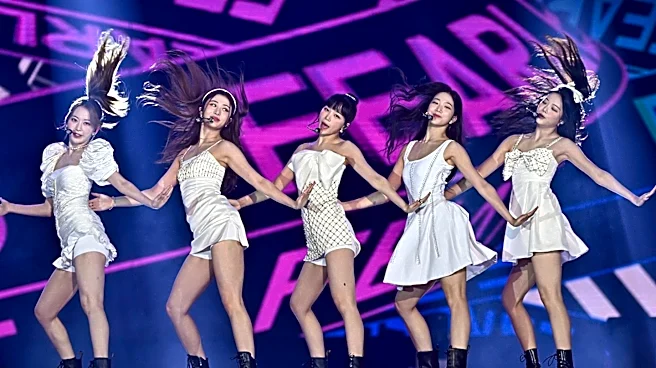
The K-pop trainee system involves extensive and multifaceted training for aspiring idols, focusing heavily on synchronized group choreography, timing, and formations. This rigorous dance training is crucial for achieving the coordinated performances that
are a hallmark of K-pop. Beyond dance, trainees undergo comprehensive instruction in vocal technique, rap, stage expression, fitness, and other essential skills. The objective is to develop multi-skilled performers capable of functioning within a highly visual and performance-centered entertainment industry. This system aims to create coherent performance units rather than just individual dancers, requiring trainees to master body control, facial expression, and stamina as part of a larger group. Vocal training also emphasizes maintaining control during physically demanding choreography, with different members specializing in various vocal strengths.
Why It's Important?
The K-pop trainee system is fundamental to the industry's global success, producing highly polished and synchronized groups that captivate international audiences. This intensive preparation allows K-pop acts to deliver complex performances consistently, setting a high standard for global entertainment. The system's emphasis on developing diverse skills, including foreign languages, also facilitates the industry's international expansion and market penetration. However, this rigorous system also raises significant concerns regarding the well-being of young performers, including intense competition, pressure, and potential exploitation. The high demands placed on trainees, often from a young age, can lead to physical and psychological stress, highlighting a critical debate about the balance between achieving professional excellence and ensuring the health and safety of artists. The system's influence extends beyond K-pop, with other entertainment markets observing and adapting Korean approaches to talent development.
What's Next?
The K-pop trainee system is expected to continue evolving, with increasing integration of technology and a growing emphasis on global recruitment. Future developments may include more sophisticated technological tools for performance analysis and remote collaboration, further streamlining the training process. There is also a growing demand for greater transparency regarding artist welfare, which could lead to industry-wide changes aimed at improving working conditions and mental health support for trainees. Companies may increasingly prioritize sustainable careers over short-term productivity, potentially leading to adjustments in training intensity and contract structures. International collaborations are also likely to blur the lines between K-pop and other global pop industries, influencing how talent is scouted and developed worldwide. The ongoing discussions about the system's harshness will likely drive continued scrutiny and potential reforms.
Beyond the Headlines
The K-pop trainee system, while a cornerstone of the industry's success, presents a complex ethical dilemma regarding the treatment of young talent. The intense pressure to achieve perfection and the competitive environment can have profound psychological and physical impacts on trainees, many of whom are minors. This raises questions about the responsibility of entertainment companies, parents, and regulators in safeguarding the well-being of aspiring idols. The system also highlights the broader societal implications of a highly commercialized entertainment industry, where individuals are often viewed as products. The debate extends to the concept of 'manufactured' artists versus creative individuals, as many idols contribute to songwriting and production, challenging the notion that their artistry is solely a result of corporate training. Ultimately, the system underscores the tension between artistic ambition, commercial success, and human welfare in the pursuit of global stardom.