




What's Happening?
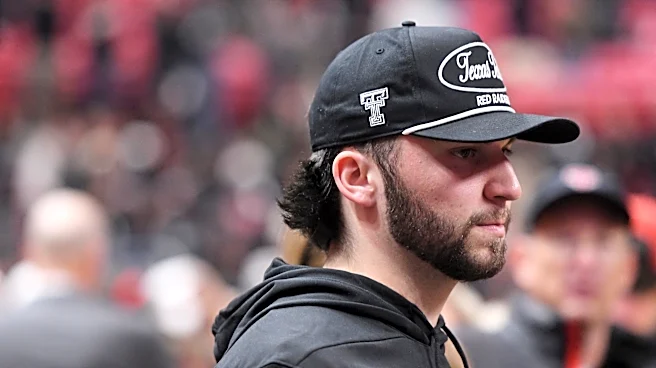
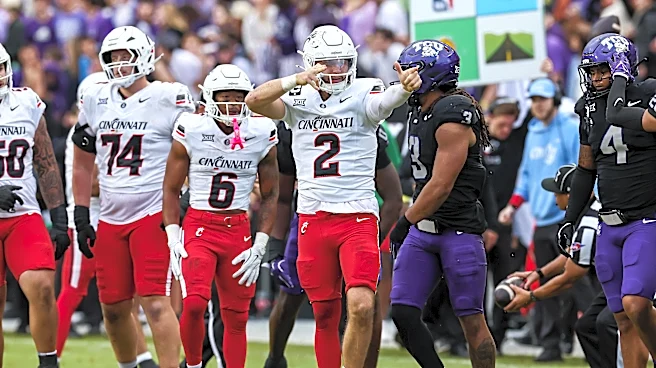
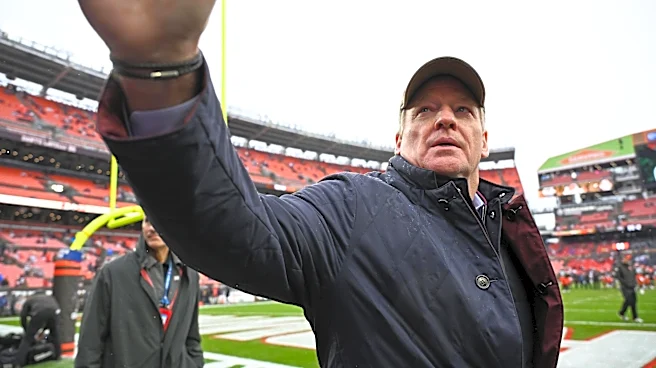
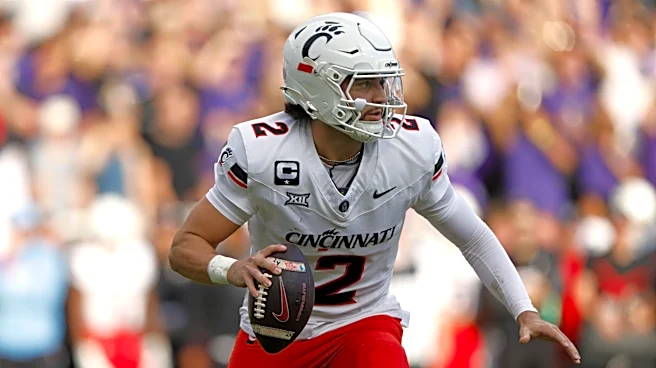
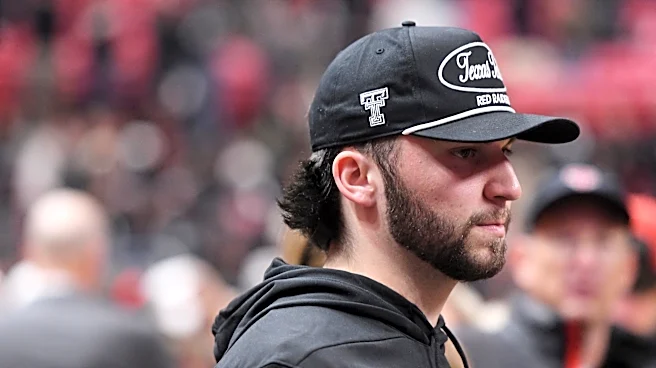
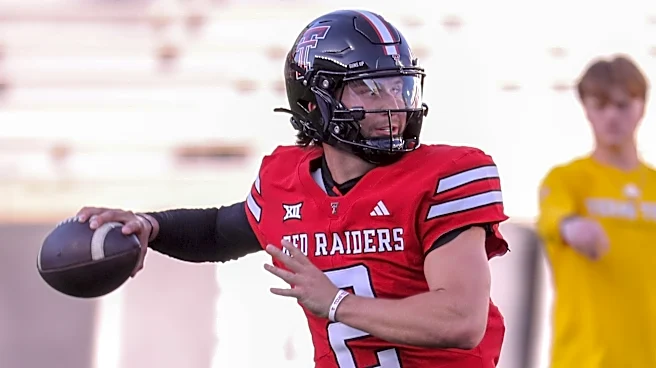
The NFL has decided not to hold a supplemental draft for Brendan Sorsby, a quarterback who applied for the draft after facing NCAA sanctions related to gambling. Sorsby submitted his application just three days before the deadline, but the NFL rejected
it, citing insufficient time to review his case and lack of supporting documentation. Sorsby had previously admitted to gambling on various sports and completed rehab for a gambling addiction. His attorney, Jeffrey Kessler, argues that the NFL's decision violates the collective bargaining agreement and plans to pursue the matter with the NFL Players Association. Sorsby had been declared ineligible by the NCAA, but a Texas judge temporarily reinstated him for the 2026 college football season. However, due to ongoing legal issues and a lawsuit involving Texas Tech, Sorsby opted for the supplemental draft, which the NFL has now declined to hold.
Why It's Important?
This decision highlights the NFL's strict stance on gambling-related issues, especially in light of recent controversies involving players and betting. The league's refusal to hold a supplemental draft for Sorsby underscores its commitment to maintaining integrity and compliance with its rules. This situation also reflects the broader challenges athletes face when dealing with gambling addictions and the potential career impacts of such behavior. For Sorsby, the decision limits his immediate professional opportunities, potentially affecting his future in the NFL. The case also raises questions about the NFL's processes and the balance between player rehabilitation and league policies.
What's Next?
Sorsby's legal team plans to challenge the NFL's decision through the NFL Players Association, although the outcome remains uncertain. Without the supplemental draft, Sorsby may have to wait until the 2027 NFL draft to pursue a professional career. In the meantime, he is ineligible to play college football due to his gambling violations. The situation may prompt further discussions within the NFL about handling similar cases in the future and the potential need for clearer guidelines regarding player eligibility and gambling-related issues.