



What's Happening?
There is a growing call to transform San Jose's shuttered Century 21 theater into a state-of-the-art IMAX cinema. The domed theater, a landmark on Winchester Boulevard since its opening in 1964, has been vacant since 2014. Despite being designated a city
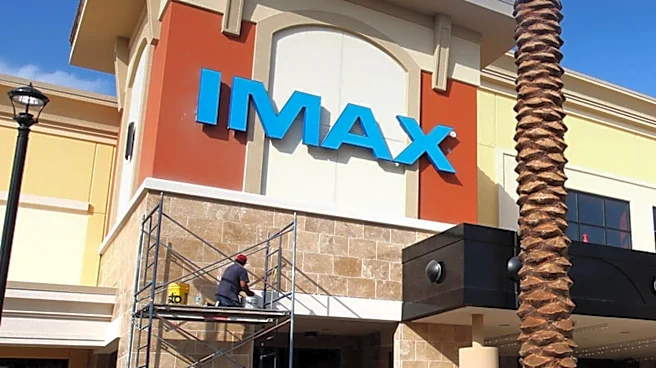
landmark, saving it from demolition, its future has remained uncertain. Current plans for its adaptive reuse as a fitness center, cafe, and conference facility have not yet materialized into on-site work. This proposal comes at a time when demand for premium large format movie experiences, particularly 70mm IMAX, significantly outstrips supply, with tickets for popular films like 'The Odyssey' reselling for hundreds of dollars. The Bay Area currently has only two 70mm IMAX options, both experiencing sold-out or near-sold-out screenings. The Century 21's unique structure, measuring 55 feet high and 124 feet in diameter, is considered suitable for accommodating the large screens required for 70mm IMAX presentations, alongside regular widescreen formats.
Why It's Important?
Reviving the Century 21 theater as a premier IMAX destination holds significant importance for the entertainment industry and local economy in Silicon Valley. The scarcity of 70mm IMAX theaters, with only about 30 in the U.S., highlights a substantial market gap that this project could fill. This initiative would not only cater to the high demand for immersive cinematic experiences but also preserve a historic architectural landmark. For the local community, it could revitalize a long-dormant property, potentially creating jobs and drawing visitors, thereby boosting local businesses. The success of similar ventures, such as Netflix's acquisition of the Egyptian Theatre in Hollywood and Sony's plan to restore the Cinerama Dome in Los Angeles, demonstrates a trend towards investing in unique theatrical experiences. This move could position San Jose as a key hub for film enthusiasts seeking high-quality, large-format screenings, distinguishing it from the more common digital IMAX setups found in multiplexes.
What's Next?
The immediate next steps would involve gaining support from Federal Realty, the current owner of the Santana Row property that controls the Century 21's fate, to reconsider the existing adaptive reuse plans in favor of a cinematic revival. This would likely entail a detailed feasibility study to assess the costs and logistics of retrofitting the building with modern theater equipment, including the specialized 70mm IMAX projectors, which have not been manufactured for approximately 50 years. Additionally, securing specialized projectionists capable of handling the large film format would be crucial. Potential investors, possibly including major streaming services or film studios looking to expand their physical exhibition footprint, might be approached, drawing parallels to Netflix's and Sony's recent investments in historic theaters. Public and community support, which previously saved the theater from demolition, could also play a role in advocating for this transformation, potentially through petitions or local advocacy groups.
Beyond the Headlines
Beyond the immediate economic and entertainment benefits, the proposed revival of the Century 21 theater touches upon deeper cultural and historical implications. It represents a potential bridge between cinema's 'Golden Age,' when the theater was originally designed for ultrawide Cinerama movies, and the demands of modern audiences seeking unparalleled theatrical experiences. In an era dominated by home streaming, this project underscores the enduring value of communal, immersive cinema that cannot be replicated at home. It also highlights the ongoing challenge of preserving architectural heritage while finding economically viable and culturally relevant uses for historic structures. The effort to bring back 70mm IMAX, a format requiring specialized equipment and expertise, speaks to a broader appreciation for the artistry and technical mastery of traditional filmmaking, contrasting with the prevalence of digital projection. This initiative could serve as a model for other cities looking to repurpose historic venues to meet contemporary cultural demands.