







What's Happening?
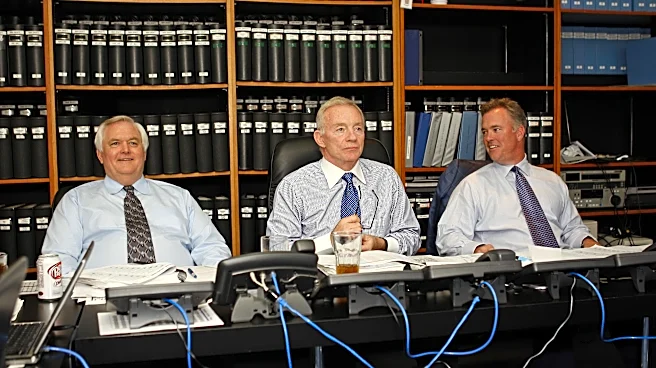
Chicago Bears Chairman George McCaskey, alongside Bears President/CEO Kevin Warren and NFL Commissioner Roger Goodell, met with Illinois legislative leaders and a top official from Governor JB Pritzker's office. The purpose of the meeting was to finalize
legislation concerning a potential new stadium for the Chicago Bears within Illinois. Governor Pritzker indicated that a vote on this legislation could occur as early as the first week of December. The proposed legislation would require the Bears to fund the stadium's construction, after which ownership would transfer to a new Public Stadium Authority, making the team tenants and exempt from property taxes. The team would likely receive infrastructure funding, and discussions include provisions for Soldier Field's future use once the Bears depart. While Arlington Heights remains the Bears' primary focus in Illinois, the legislation would also allow Chicago to bid for the stadium site. Concurrently, the Bears are also exploring stadium development plans in Hammond, Indiana, where they are finalizing due diligence on two sites.
Why It's Important?
The ongoing negotiations for a new Chicago Bears stadium carry significant implications for both Illinois and Indiana, as well as for the team's long-term financial and operational future. For Illinois, securing the Bears would retain a major economic driver and a significant cultural institution, potentially leading to job creation and increased revenue from tourism and related businesses. The proposed legislation, which involves the team paying for construction but then becoming tax-exempt tenants, represents a complex financial arrangement that could set a precedent for future public-private partnerships in sports infrastructure. For the Bears, the decision on a new stadium location will impact their revenue streams, fan experience, and overall brand value for decades. The dual pursuit of options in Illinois and Indiana highlights the competitive nature of attracting and retaining professional sports franchises, with states offering various incentives to secure these valuable assets. The outcome will also influence urban development plans in potential host cities like Arlington Heights, Chicago, and Hammond.
What's Next?
The immediate next step involves the Illinois legislature preparing the finalized stadium legislation for review and potential voting. Governor Pritzker anticipates that the bill could be presented to lawmakers by November 17, with hearings in the first week of December and a vote in the second week of the veto session, which concludes on December 3. For the legislation to pass, it will require a super-majority vote, meaning the Bears and legislative leaders must garner support from previously hesitant members. Simultaneously, the Bears will continue their due diligence on potential sites in Hammond, Indiana, maintaining dialogue with both Illinois and Indiana leadership teams. The team's statement indicates a commitment to exploring all available options. The coming weeks will be crucial for both states to present compelling proposals that meet the Bears' financial and logistical requirements, as the team aims to secure a long-term home.
Beyond the Headlines
The pursuit of a new stadium for the Chicago Bears extends beyond typical sports news, touching upon broader themes of urban planning, public finance, and regional economic competition. The debate over public funding and tax exemptions for private sports franchises often sparks discussions about the equitable use of taxpayer money versus the perceived economic benefits of hosting a major league team. The potential relocation from Soldier Field, a historic landmark, also raises questions about the preservation of civic identity and the future of existing public assets. Furthermore, the simultaneous negotiations with two different states underscore the intense competition among regions to attract and retain high-profile businesses and institutions, often leading to bidding wars that can strain public resources. The outcome of these negotiations could influence future strategies for economic development and inter-state competition for major projects, setting a precedent for how public entities engage with private sports organizations.