

What's Happening?
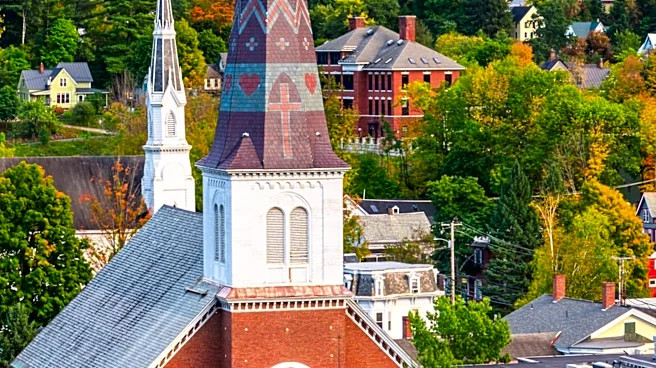
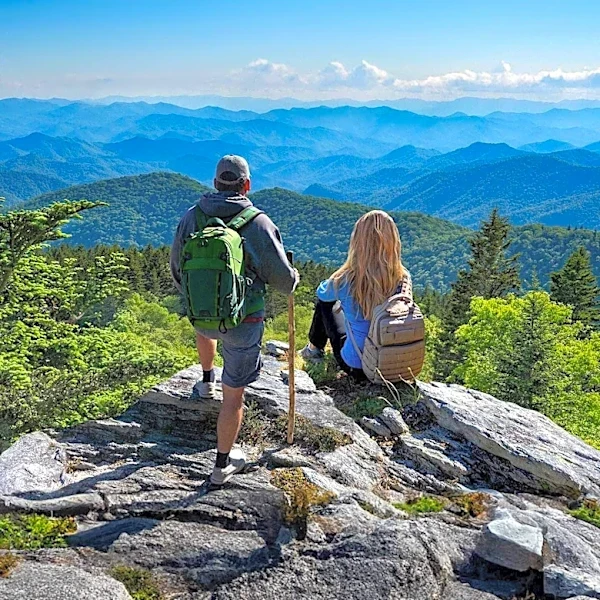
A recent report commissioned by KÜHL, a mountain apparel company, has identified Vermont as the most outdoorsy state in the United States. The study analyzed Google search data from August 2024 to August 2025, focusing on interest in 14 popular outdoor activities
across all 50 states. Vermont led the nation with 8,515 searches per 100,000 residents, highlighting its residents' enthusiasm for activities such as hiking, skiing, camping, and kayaking. The report also noted that outdoor recreation participation in the U.S. reached a record 181.1 million participants in 2024, representing 58.6% of Americans aged six and older. Other states that ranked highly for outdoor activities include Hawaii, Colorado, Montana, and Oregon, each offering unique landscapes and recreational opportunities.
Why It's Important?
The findings underscore the growing popularity of outdoor recreation in the U.S., which has significant implications for public health, tourism, and local economies. States like Vermont benefit from increased tourism and economic activity as outdoor enthusiasts flock to enjoy their natural landscapes. The report also highlights the importance of preserving natural environments and investing in infrastructure to support outdoor activities. As more Americans engage in outdoor recreation, there is a potential for increased advocacy for environmental conservation and sustainable tourism practices. The data provides valuable insights for businesses in the outdoor industry, policymakers, and community planners aiming to capitalize on this trend.
What's Next?
As outdoor recreation continues to grow, states may invest more in infrastructure and marketing to attract tourists and support local economies. Policymakers might focus on balancing tourism with environmental conservation to ensure sustainable growth. The outdoor industry could see increased demand for products and services, prompting innovation and expansion. Additionally, there may be a push for more inclusive and accessible outdoor spaces to accommodate the diverse interests of the growing participant base. The report's findings could influence future studies and policies aimed at promoting outdoor activities and preserving natural resources.