




What's Happening?
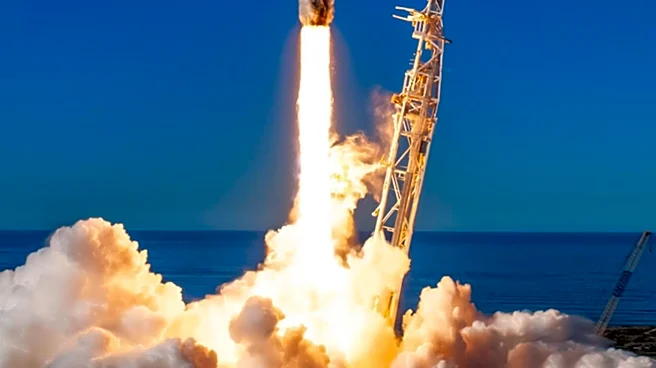
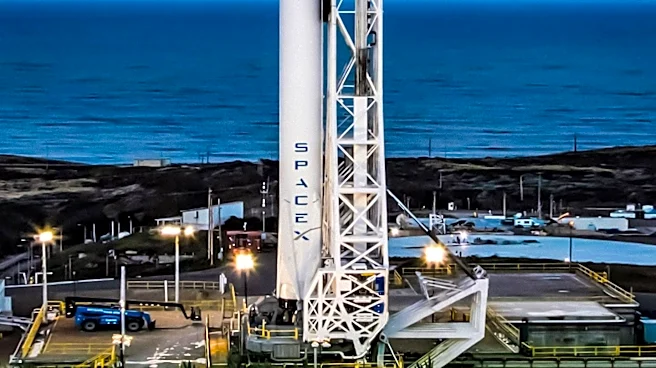
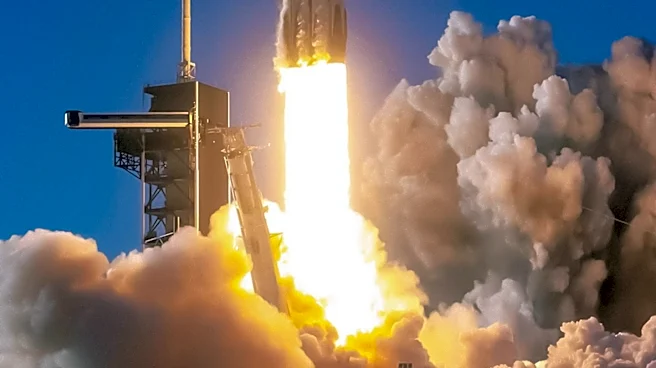
The issue of space debris is becoming increasingly pressing as thousands of satellites and spent rocket parts orbit the Earth, posing collision risks. Recently, a SpaceX Falcon 9 upper stage crashed into the moon, highlighting the uncontrolled nature
of space debris. Companies like Astroscale and ClearSpace are developing technologies to address this problem, such as debris removal and satellite servicing. These efforts are supported by space agencies and governments, aiming to mitigate the risks associated with space congestion and ensure the sustainability of space activities.
Why It's Important?
The growing problem of space debris has significant implications for global space infrastructure, which is vital for various sectors including finance, navigation, and defense. The development of a space debris cleanup industry could not only enhance safety and sustainability in space but also create new economic opportunities. As space becomes more congested, the demand for debris removal and satellite servicing is expected to rise, potentially leading to a new market with substantial economic impact. This development also raises questions about international cooperation and regulation in managing space as a shared resource.
What's Next?
The space debris cleanup industry is still in its early stages, with companies like Astroscale and ClearSpace working on demonstrating the viability of their technologies. As these companies continue to develop and test their solutions, they are likely to seek further investment and partnerships with both government and private sector entities. The success of these initiatives could lead to broader adoption of debris removal services, influencing future space missions and policies. Additionally, international discussions on space debris management and regulation may intensify as the need for coordinated efforts becomes more apparent.