


What's Happening?
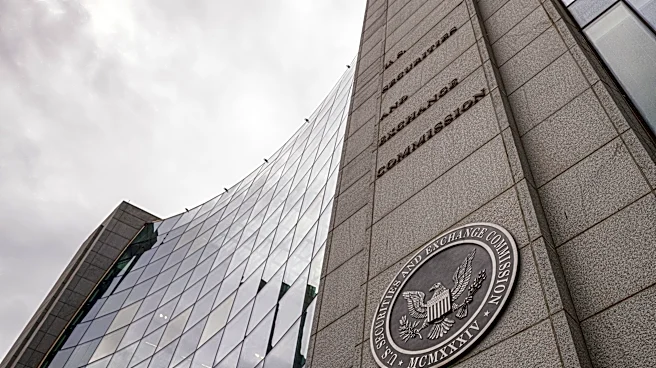
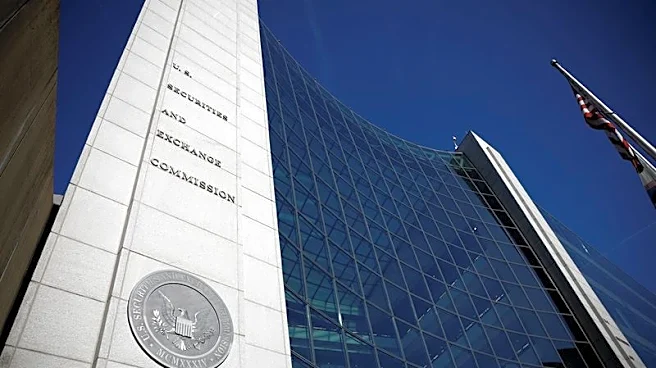
Webull Financial LLC, a broker-dealer, is registered with the Securities and Exchange Commission (SEC) and is a member of the Financial Industry Regulatory Authority (FINRA), Securities Investor Protection Corporation (SIPC), The New York Stock Exchange (NYSE),
NASDAQ, and Cboe EDGX Exchange, Inc (CBOE EDGX). The company offers securities trading to self-directed customers. Additionally, Webull Futures LLC, a CFTC registered Futures Commission Merchant and a Member of the National Futures Association (NFA), provides futures and cleared swaps trading. Webull Advisors LLC, an Investment Advisor registered with the SEC, offers advisory accounts and services. Client securities accounts at Webull Financial LLC are protected by SIPC for up to $500,000, with a cash sublimit of $250,000. The company also provides Excess SIPC coverage through Lloyd's of London, extending per account coverage for securities and cash up to an aggregate of $100 million, subject to a maximum limit of $1,900,000 for any one customer’s cash. For accounts fully-disclosed to the clearing firm, Apex, an additional insurance policy provides protection for securities and cash up to an aggregate of $150 million, with maximum limits of $37.5 million for any one customer's securities and $900,000 for any one customer's cash.
Why It's Important?
The detailed disclosure of Webull's regulatory registrations and investor protection measures is crucial for U.S. investors. Membership in organizations like FINRA, NYSE, and NASDAQ signifies adherence to established financial industry standards and oversight, which helps to build trust and ensure fair practices. The SIPC and Excess SIPC coverage are particularly important as they provide a safety net for investors, protecting their assets in the event of the brokerage firm's failure, though not against market value losses. This level of protection can influence investor confidence and their choice of brokerage. The distinction between securities, futures, and advisory services, each with its own regulatory body (SEC, CFTC) and associated risks, highlights the complexity of financial markets and the need for investors to understand the specific protections and risks associated with each type of investment. This transparency helps investors make informed decisions and understand the extent of their financial security.
What's Next?
Webull will continue to operate under the regulatory frameworks of the SEC, FINRA, CFTC, and NFA, ensuring ongoing compliance with industry standards. Investors using Webull's platforms should regularly review the provided risk disclosures, especially for options, futures, and margin trading, as these involve substantial risks. The company's commitment to providing detailed information on account protection, including SIPC and Excess SIPC coverage, will likely remain a key aspect of its client communication. As market conditions evolve, Webull will need to ensure its systems and services can handle potential volatility, volume, and other factors that may affect account access and trade executions. The ongoing availability of free trading for stocks, ETFs, and options, subject to regulatory and exchange fees, will continue to attract self-directed investors.
Beyond the Headlines
The comprehensive regulatory framework governing Webull and similar brokerage firms underscores the U.S. financial system's emphasis on investor protection and market integrity. The layered approach to security, from SIPC basic coverage to additional Excess SIPC policies, reflects a recognition of the potential for significant financial losses in the absence of robust safeguards. This also highlights the ongoing challenge for regulators to keep pace with evolving financial products and trading technologies, such as options and futures, which carry unique risks. The emphasis on self-directed trading also places a greater onus on individual investors to understand the complexities and risks involved, making the availability of clear disclosures and educational resources paramount. The interplay between various regulatory bodies like the SEC, CFTC, FINRA, and NFA demonstrates a coordinated effort to oversee different facets of the financial markets, aiming to prevent fraud and ensure fair and transparent operations.