




What's Happening?
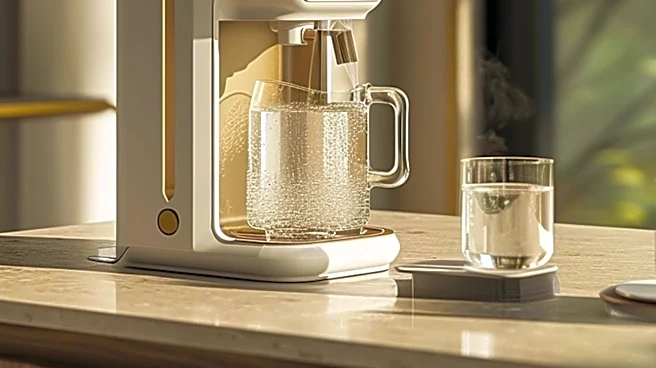
The Waterdrop M6CG is a new countertop reverse osmosis (RO) water filtration system designed to provide clean, potable water without the need for permanent installation. This system utilizes an 8-stage filtration process to remove various contaminants,
including TDS, PFOA, PFOS, Nitrate, Fluoride, Arsenic, Lead, Copper, Turbidity, and Chlorine. Beyond purification, the M6CG also incorporates UV treatment to kill germs and adds alkaline minerals such as K⁺, Ca²⁺, Na⁺, Mg²⁺, Sr²⁺, Zn²⁺, and H₄SiO₄ to enhance water quality and health benefits. The unit offers both hot and cold water dispensing, with temperatures ranging from 59 to 203 degrees Fahrenheit, and allows users to select specific dispensing volumes. Its compact design, measuring 15.9 x 9.3 x 14.5 inches, makes it suitable for small living spaces, offices, or dorms, appealing particularly to renters who cannot install under-sink systems. The system features a dual-compartment water tank for tap water and wastewater, with a 3:1 pure-to-drain ratio, meaning approximately 25% of the input water becomes wastewater that needs to be disposed of.
Why It's Important?
The introduction of the Waterdrop M6CG addresses a growing consumer demand for convenient and effective home water purification solutions, especially for individuals in rental properties or those with limited space. By offering an installation-free RO system, it democratizes access to advanced water filtration, which traditionally required more complex setups. The inclusion of mineral re-addition and UV sterilization goes beyond basic filtration, potentially offering enhanced health benefits and improved taste, which can encourage greater water consumption. For consumers, this product represents a long-term investment that could lead to significant savings compared to purchasing bottled water, while also reducing plastic waste. Its versatility in providing both hot and cold water adds practical value for daily use, from drinking to cooking and making hot beverages, thereby integrating seamlessly into various lifestyle needs. The system's ability to remove a wide range of contaminants is crucial for public health, particularly in areas with concerns about tap water quality.
What's Next?
As countertop water filtration systems like the Waterdrop M6CG gain popularity, the market is likely to see increased competition and further innovation in features such as water dispensing speed, tank capacity, and smart connectivity. Consumers can expect more options that balance compact design with efficiency and advanced filtration capabilities. Waterdrop will likely continue to market the M6CG to renters, small apartment dwellers, and office environments, emphasizing its ease of use and health benefits. Future iterations might focus on improving the pure-to-drain ratio to reduce water waste or integrating more advanced smart features, such as automatic hydration tracking and remote control via a mobile app. The company will also need to ensure a steady supply of replacement filters, which are priced at $69.99 and require annual replacement, to maintain customer satisfaction and recurring revenue. The success of such products could also influence municipal water providers to enhance their own filtration processes to meet rising consumer expectations for water quality.
Beyond the Headlines
The rise of sophisticated countertop water filtration systems like the Waterdrop M6CG reflects broader societal trends towards health consciousness, environmental awareness, and the demand for personalized home solutions. Consumers are increasingly scrutinizing the quality of their tap water, driven by concerns over contaminants and a desire for healthier lifestyles. This trend also highlights a shift away from reliance on bottled water, which has significant environmental implications due to plastic waste. The convenience offered by installation-free systems caters to a mobile and often transient population, particularly in urban centers, where permanent home modifications are not always feasible. Furthermore, the integration of mineral re-addition in these systems points to a growing interest in 'enhanced' water, moving beyond mere purification to actively improving water's nutritional profile. This could lead to a re-evaluation of what constitutes 'good' drinking water and influence future standards for both municipal water treatment and home filtration technologies.