





What's Happening?
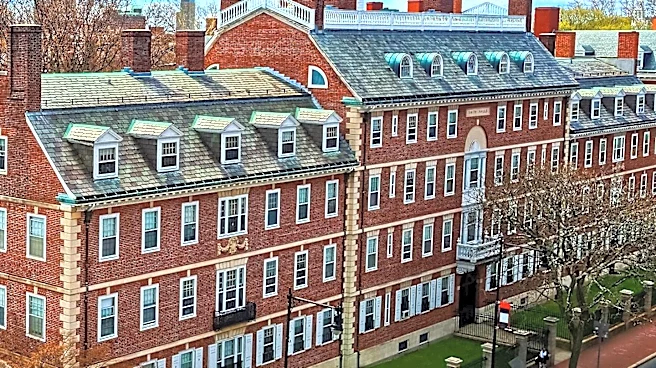
Seattle-based Tourbineau Real Estate Partners has acquired an 86,000-square-foot office building in Cambridge, Massachusetts, for $25 million with the intention of converting it into 125 residential units. This marks the first significant office-to-residential
conversion project in Cambridge. The building is situated between Central and Harvard squares. Tourbineau Real Estate Partners, established two years ago specifically for office building conversions, is now bringing this model to the Boston area. This initiative contrasts with Boston, which has 28 similar projects underway and offers tax incentives to developers for such conversions. The project aims to address housing needs by repurposing existing commercial real estate.
Why It's Important?
This conversion project is significant for Cambridge's real estate landscape as it represents a new approach to urban development in the city. The transformation of commercial office space into residential units can help alleviate housing shortages and potentially stabilize or reduce housing costs in a highly sought-after area. For developers, the success of this project could pave the way for more office-to-residential conversions in Cambridge, especially if the city does not offer the same tax incentives as Boston. This trend could reshape urban planning, reduce commercial vacancies, and create more vibrant, mixed-use neighborhoods. It also highlights a broader shift in real estate investment strategies, adapting to changing work patterns and housing demands.
What's Next?
Tourbineau Real Estate Partners will proceed with the renovation of the 86,000-square-foot building into 125 residential units. The project's progress and eventual occupancy will be closely watched as a case study for future office-to-residential conversions in Cambridge. The city's response to this initial project, particularly regarding potential incentives or regulatory adjustments, could influence the pace and scale of similar developments. If successful, this conversion could encourage other developers to explore similar opportunities, potentially leading to a more diverse housing stock and a revitalization of underutilized office spaces in the area. The project's impact on local housing prices and availability will also be a key area of observation.
Beyond the Headlines
The conversion of office buildings into residential spaces reflects a broader economic and societal shift, particularly in post-pandemic urban environments. As remote work becomes more prevalent, the demand for traditional office spaces may decrease, leaving many commercial buildings underutilized. Repurposing these structures into housing not only addresses housing crises but also promotes sustainable urban development by reusing existing infrastructure rather than expanding into new areas. This trend could lead to more walkable communities, reduced commutes, and a more integrated urban fabric. However, challenges such as zoning regulations, conversion costs, and the need for appropriate amenities within residential units will need to be carefully managed to ensure the long-term success and livability of these new developments.