



What's Happening?
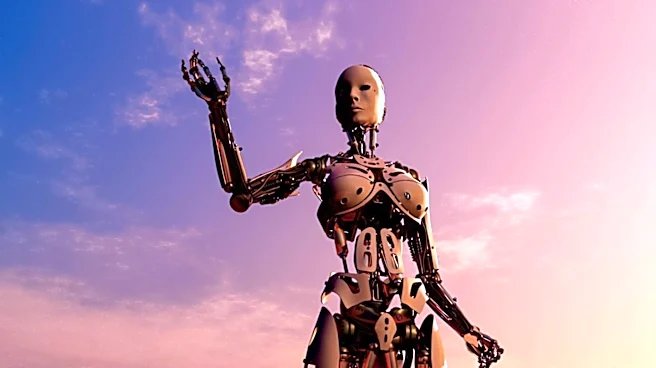
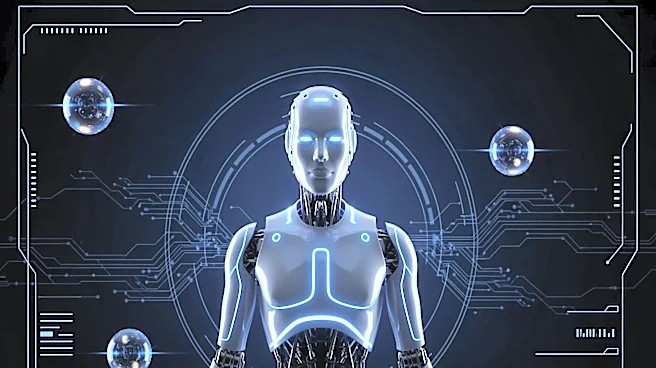
Richtech Robotics has introduced a new interactive livestream platform featuring its ADAM AI-powered humanoid robot. This initiative allows global audiences to engage with the robot in real-time, offering a unique opportunity to interact with embodied
AI. The platform is designed to provide an immersive and participatory experience, moving beyond traditional pre-recorded content. Richtech Robotics, founded in 2016, focuses on integrating robots into human environments to enhance business operations. The company aims to demonstrate the capabilities of AI-driven robots in various sectors, including hospitality, automotive, and manufacturing. The ADAM robot has previously been showcased at events like the Kennedy Space Center and the National Restaurant Association show, highlighting its versatility in different settings.
Why It's Important?
The launch of the ADAM livestream represents a significant advancement in human-robot interaction, showcasing the potential of AI-powered robots to communicate naturally with humans. This development could have far-reaching implications for industries that rely on automation and AI, such as manufacturing and hospitality. By providing a platform for real-time interaction, Richtech Robotics is positioning itself at the forefront of AI innovation, potentially influencing how businesses integrate robotics into their operations. The initiative also highlights the growing trend of using AI to enhance customer engagement and service delivery, which could lead to increased efficiency and productivity across various sectors.
What's Next?
Richtech Robotics plans to expand its AI infrastructure and showcase additional technologies as part of its broader automation portfolio. The company is set to demonstrate its industrial humanoid robot Dex and an AI-driven pallet jack at upcoming events. These developments suggest a continued focus on enhancing the functionality and accessibility of AI-powered robots. As Richtech Robotics continues to innovate, it may influence other companies to adopt similar technologies, potentially leading to widespread changes in how industries approach automation and AI integration.