





What's Happening?
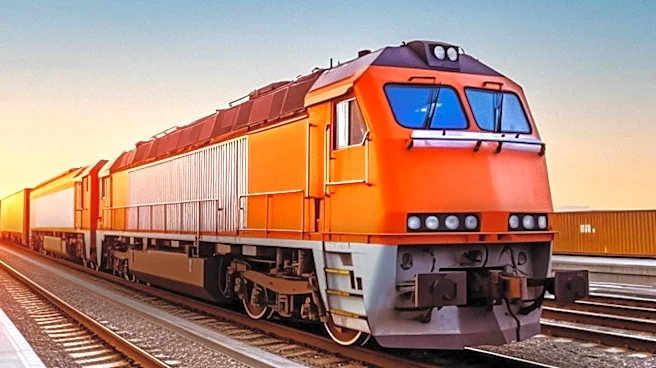
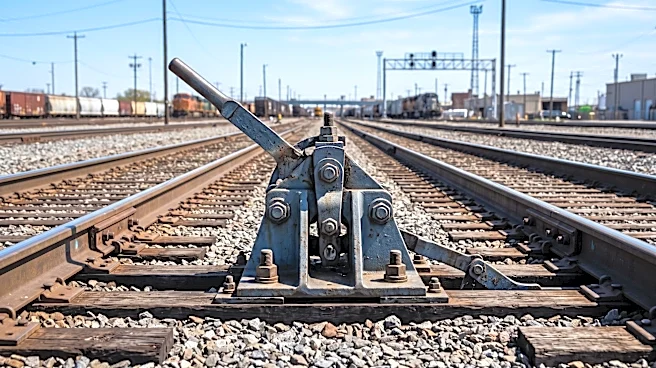
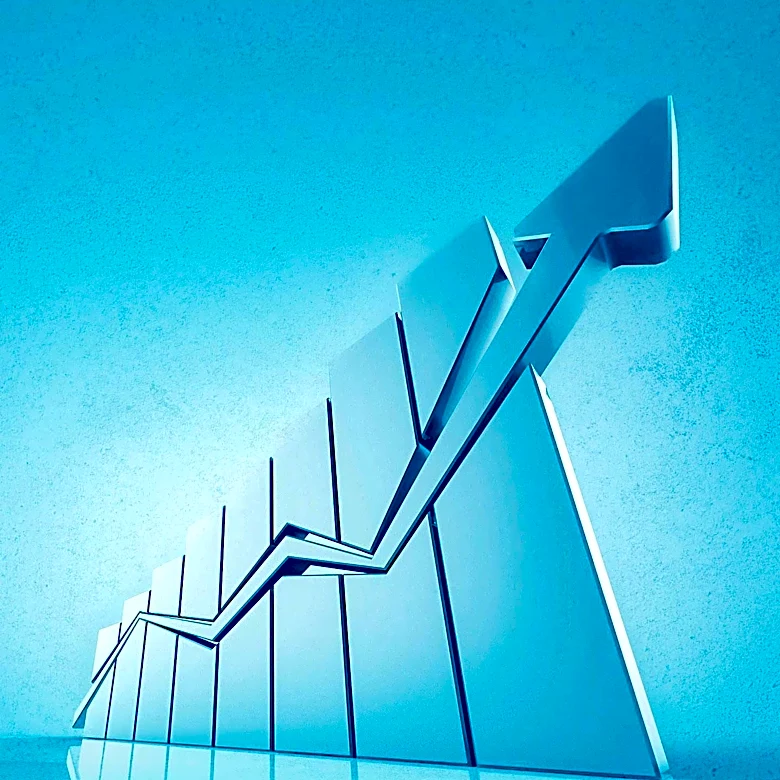
The global rail freight market is anticipated to grow significantly, from its current valuation of over $352.9 billion to more than $550 billion by 2035, according to a study by Global Market Insights Inc. This growth is driven by several factors, including
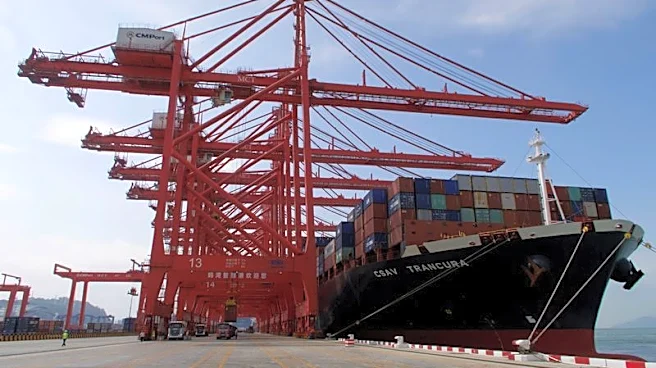
the development of dedicated freight corridors, modernization of cross-border trade, increasing demand for cost-efficient bulk transportation, decarbonization initiatives, and the digitalization of rail logistics. Rail freight operators are enhancing their services through advanced technologies such as intermodal terminals, real-time shipment tracking, predictive maintenance, automated train control, and digital documentation. These improvements aim to boost train frequency, reduce dwell times, and increase schedule reliability, thereby strengthening rail's competitive edge against road transport for long-haul and heavy-cargo routes. Non-containerized freight was the largest cargo category in 2025, generating $182.7 billion, while containerized freight, supported by e-commerce and manufacturing supply chains, is also projected for substantial growth.
Why It's Important?
The projected expansion of the rail freight market holds significant implications for the U.S. economy and logistics sector. Increased investment in rail infrastructure and technology can lead to more efficient supply chains, reducing transportation costs for businesses and potentially lowering consumer prices. The emphasis on decarbonization initiatives within the rail sector aligns with broader environmental goals, offering a more sustainable alternative to road transport, which could help the U.S. meet its climate targets. Furthermore, the digitalization of rail logistics, including real-time tracking and predictive maintenance, will enhance operational efficiency and reliability, benefiting industries that rely on timely and predictable freight movement. The growth in intermodal transportation, driven by e-commerce, suggests a shift in logistics strategies that could alleviate highway congestion and address driver shortages, critical issues facing the U.S. trucking industry. This market expansion could also stimulate job creation in rail operations, technology, and infrastructure development.
What's Next?
The rail freight industry is expected to continue its trajectory of technological adoption and infrastructure development. Future developments will likely include further integration of advanced digital solutions for real-time data analysis and operational optimization. Continued investment in dedicated freight corridors and intermodal facilities will be crucial to accommodate the projected growth in cargo volume and enhance connectivity across different transportation modes. The focus on decarbonization will drive innovation in greener rail technologies and operational practices. Major players in the market, such as Union Pacific and BNSF Railway, are likely to continue investing in these areas to maintain and expand their market share. The ongoing modernization efforts will also aim to address challenges such as highway congestion, driver shortages, and fuel-price volatility, making rail an increasingly attractive option for freight transportation.
Beyond the Headlines
The transformation of the rail freight market extends beyond mere economic growth; it signifies a fundamental shift in how goods are moved and managed. The push for digitalization and automation raises questions about the future workforce in the rail industry, potentially requiring new skill sets and training programs. The environmental benefits of shifting freight from road to rail, particularly in terms of reduced carbon emissions, contribute to broader societal goals of sustainability and climate resilience. However, the development of extensive rail networks and infrastructure also presents challenges related to land use, community impact, and regulatory frameworks. The increasing reliance on technology also introduces cybersecurity risks, necessitating robust protection measures for critical infrastructure. Ultimately, the evolution of the rail freight market reflects a complex interplay of economic, environmental, technological, and social factors that will shape the future of transportation.