





What's Happening?
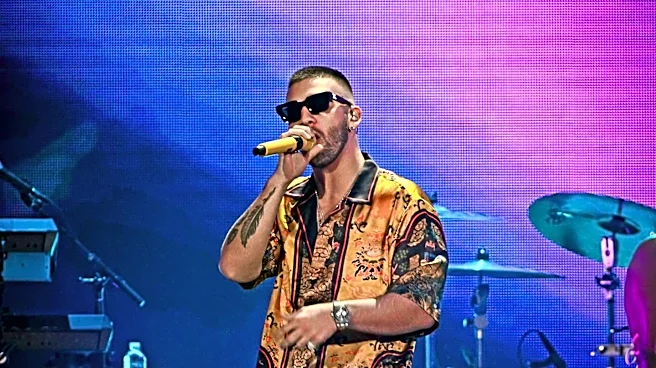
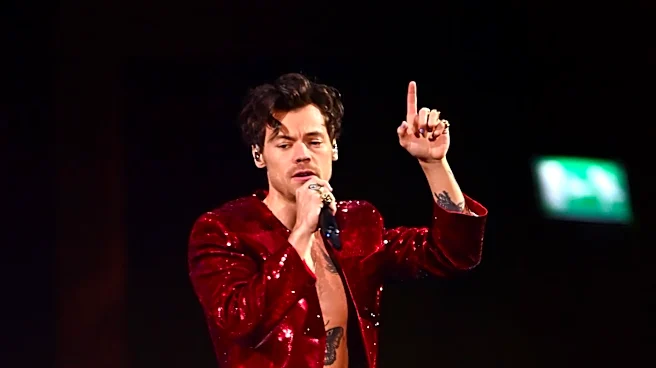
During one of his final performances of a 30-show residency at Madison Square Garden, singer Harry Styles publicly complained about the high cost of coffee and tipping expectations in New York City. According to fan videos shared on social media, Styles stated,
“It is a cappuccino. It can’t be $10, it can’t be!” He further described the prices of caffeinated beverages as “astronomical” and “out of control,” also expressing frustration over requests for tips ranging from 22% to 24%. This commentary occurred as Madison Square Garden Entertainment (MSGE) reported a 37% surge in its fiscal first-quarter revenue, partly attributed to Styles' sold-out residency, which saw ticket prices ranging from under $100 to over $1,000. The average price for a pound of ground roast coffee in U.S. cities reached $9.33 in September, a 91% increase since 2020, according to the Bureau of Labor Statistics.
Why It's Important?
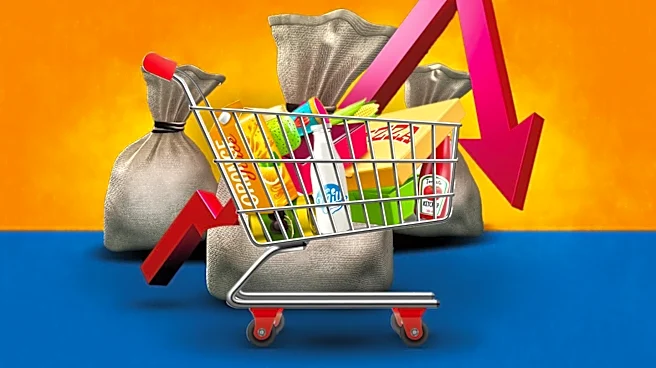
Harry Styles' comments highlight a broader public discussion about the rising cost of living and consumer expectations regarding pricing and tipping in major U.S. cities like New York. While some fans found his remarks amusing, others, including New Yorkers, criticized the wealthy celebrity for complaining about everyday expenses, especially given the high ticket prices for his concerts. The debate over coffee prices and tipping reflects ongoing economic pressures, with coffee costs significantly increasing due to factors like climate-related production shortfalls and past U.S. tariffs. This situation underscores the growing financial strain on consumers and the differing perspectives between high-income individuals and the general public on what constitutes an acceptable price for goods and services, as well as fair compensation for service industry workers.
What's Next?
The discussion sparked by Harry Styles' comments is likely to continue contributing to the ongoing public discourse surrounding inflation, cost of living, and tipping culture in the U.S. While his remarks may not directly lead to policy changes, they could fuel further conversations among consumers and businesses about pricing strategies and service charges. For the entertainment industry, the success of Styles' residency at Madison Square Garden indicates continued strong consumer demand for live events, despite rising ticket prices. Businesses in the food and beverage sector may face continued scrutiny over their pricing, especially in high-cost urban areas, as consumers become more vocal about perceived value and affordability. The broader economic trend of increasing coffee prices, as reported by the Bureau of Labor Statistics, suggests that consumers may continue to see elevated costs for caffeinated beverages.
Beyond the Headlines
Beyond the immediate headlines, Styles' comments inadvertently touch upon the widening economic disparity and the perception of wealth in contemporary society. His complaints, coming from a millionaire artist whose concerts command high ticket prices, have been met with a mixed reaction, highlighting a disconnect between the experiences of the ultra-wealthy and average citizens. This incident also brings to light the evolving social contract around tipping, a practice that has become increasingly prevalent and expected in various service industries, often leading to confusion and debate among consumers. The public's reaction underscores a broader sentiment regarding economic fairness and the perceived insensitivity of those with significant financial resources complaining about relatively minor expenses, especially when many struggle with basic living costs. This cultural moment reflects deeper societal tensions regarding economic inequality and consumer expectations.