







What's Happening?
Major League Baseball (MLB) is facing a potential trade-off between maximizing World Series television revenue and fostering competitive balance among its teams. The current seven-year, $5.1-billion deal with Fox for broadcasting the World Series is set
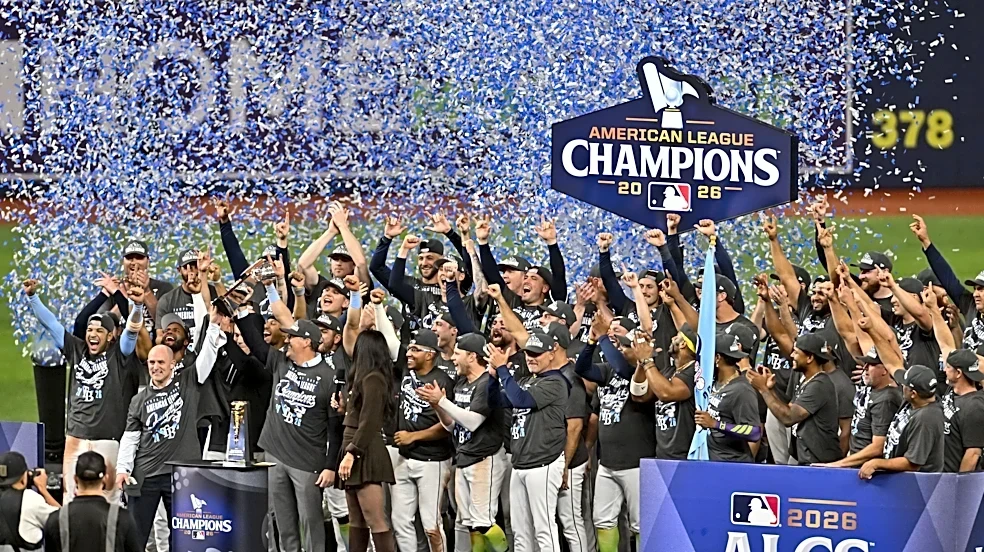
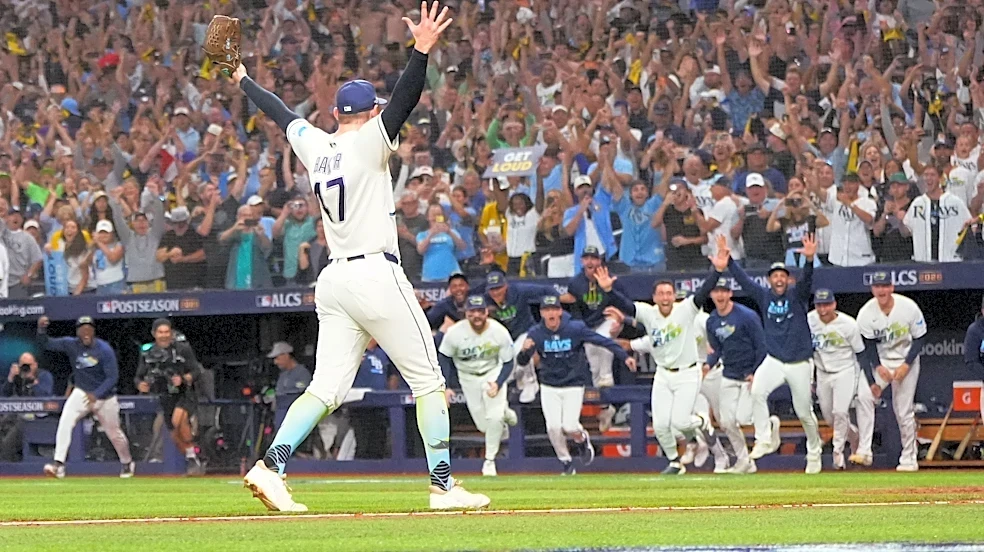
to expire in 2028. While large-market teams like the Dodgers and Yankees historically draw higher viewership, MLB owners are reportedly seeking a more balanced league where smaller-market teams also have a chance to compete in the World Series. This shift in focus could lead to lower ratings for the championship series if less prominent teams participate, potentially impacting the value of future broadcast deals. However, consultants like Ed Desser and Bob Thompson, former president of Fox Sports Networks, suggest that the long-term nature of broadcast contracts (five to twelve years) means that fluctuations in team performance and market size tend to even out over time. They also note that the bulk of advertising for the World Series is sold upfront, before the participating teams are known, mitigating some of the immediate impact of lower-profile matchups on revenue.
Why It's Important?
This discussion is important for the future financial model of MLB and the broader sports broadcasting landscape. A deliberate move towards competitive balance, even at the potential cost of immediate World Series viewership, could lead to a more engaging and unpredictable league, which might attract a wider fan base in the long run. However, it also presents a challenge for broadcasters who rely on high ratings to justify their investments. The decline in ratings across most televised events, with the NFL being a notable exception, adds pressure to these decisions. If MLB prioritizes competitive balance, it could influence how future media rights are packaged, potentially including the World Series as part of a larger offering or as an incentive for streaming services and new bidders. This could reshape how fans consume baseball content and how media companies strategize their sports programming acquisitions.
What's Next?
As the current broadcast deal with Fox approaches its 2028 expiration, MLB will need to negotiate new agreements. The league's collective bargaining proposal, which includes fewer regular-season games and more postseason games, suggests a strategic shift to maximize the value of playoff content, which typically commands a premium. This could be a way to offset any potential decline in World Series ratings due to competitive balance. MLB might explore bundling the World Series with other content or offering it to streaming platforms to attract new bidders. The ongoing discussions around competitive balance and broadcast revenue will likely shape the next generation of MLB media rights deals, influencing both the financial health of the league and the accessibility of its premier event to fans.
Beyond the Headlines
The debate over World Series TV revenue and competitive balance touches upon fundamental questions about the nature of professional sports as both entertainment and business. While high-profile matchups between traditional powerhouses generate significant immediate revenue, a league with broader competitive participation could foster deeper fan engagement across more markets. This could lead to a more sustainable and equitable ecosystem for all teams, potentially increasing overall league value over time, even if individual World Series ratings fluctuate. The shift towards streaming and diverse content packages also highlights the evolving media consumption habits, pushing sports leagues to innovate in how they deliver their product to audiences. The long-term success of MLB may depend on its ability to balance these competing interests and adapt to a changing media landscape.