




What's Happening?
Accenture is actively seeking a Talent & Workforce Senior Manager to lead workforce transformation efforts, with a specific focus on developing AI-enabled workforce solutions. This role involves shaping workforce readiness and reskilling strategies to build
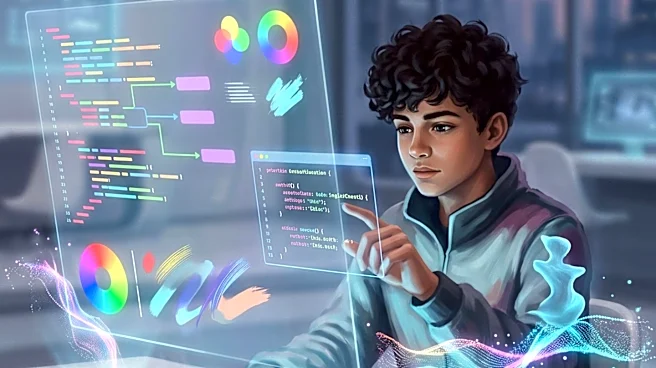
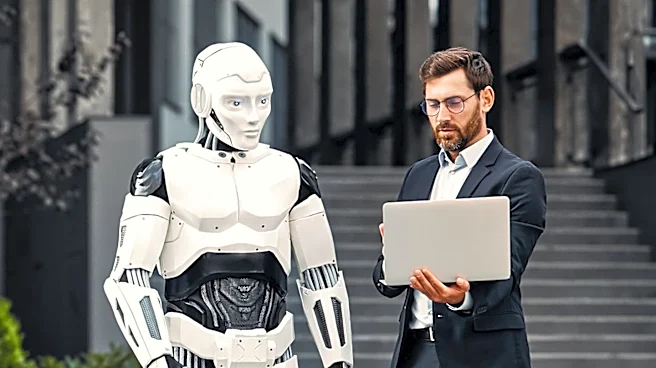
capabilities necessary for AI adoption and to sustain workforce evolution. The ideal candidate will possess deep expertise in workforce strategy, skills-based talent practices, workforce intelligence, and organizational transformation. They are expected to leverage Generative AI, Large Language Models (LLMs), and Talent Intelligence platforms to analyze workforce trends, identify skill opportunities, and design future-ready workforce solutions. The position emphasizes developing and executing strategies that help clients redesign work, roles, skills, and talent models for an AI-enabled future, as well as designing innovative solutions for hiring, learning, workforce planning, internal mobility, career development, and retention. The role also involves applying human-centered approaches to integrate AI and emerging technologies into workforce solutions and leading strategic workforce planning initiatives using data and analytics.
Why It's Important?
This hiring initiative by Accenture underscores a critical shift in the corporate landscape towards integrating artificial intelligence into core business operations and human capital management. The demand for a senior manager focused on AI-driven reskilling highlights the growing recognition that technological advancements, particularly in AI, necessitate a proactive approach to workforce development. Companies are realizing that simply adopting AI tools is insufficient; they must also ensure their employees possess the necessary skills to utilize these technologies effectively and adapt to evolving job roles. This trend is vital for U.S. industries as it points to a future where continuous learning and skill adaptation will be paramount for maintaining competitiveness and productivity. Organizations that successfully implement comprehensive reskilling programs will be better positioned to leverage AI for innovation, efficiency, and growth, while those that lag may face skill gaps and reduced operational effectiveness. The emphasis on data-driven decision-making and strategic workforce planning also indicates a move towards more sophisticated talent management practices.
What's Next?
The increasing focus on AI-driven workforce reskilling suggests that more companies will invest in similar roles and programs in the near future. This will likely lead to a greater demand for professionals skilled in talent management, AI integration, and organizational development. Educational institutions and training providers may also adapt their curricula to meet the growing need for AI-related skills and workforce transformation expertise. Businesses will continue to explore and implement advanced AI tools and platforms to enhance their workforce planning and development initiatives. Furthermore, as AI technologies evolve, the nature of required skills will also shift, necessitating ongoing adaptation and continuous learning frameworks within organizations. This could also spur the development of new consulting services specializing in AI workforce transformation, as companies seek external expertise to navigate these complex changes. The emphasis on human-centered design in AI integration indicates a future where technology adoption will increasingly consider the human element and employee experience.
Beyond the Headlines
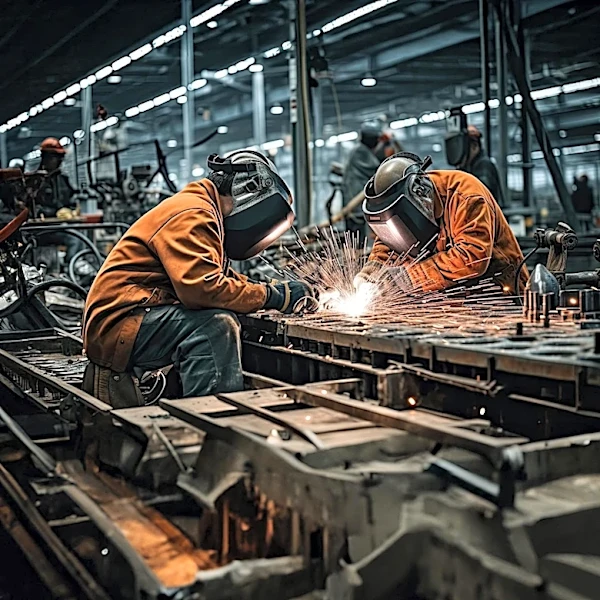
The drive for AI-driven workforce reskilling extends beyond immediate business needs, touching upon broader societal and ethical implications. As AI reshapes job functions, there is a potential for significant displacement in certain sectors, making reskilling programs crucial for ensuring a smooth transition for workers and mitigating socio-economic disruption. The ethical dimension involves ensuring that AI-powered talent management systems are fair, unbiased, and transparent, avoiding algorithmic discrimination in hiring, promotion, and development opportunities. Legally, companies may face new challenges related to data privacy and the responsible use of AI in employee assessment and training. Culturally, organizations will need to foster a mindset of continuous learning and adaptability among their employees, moving away from traditional career paths towards more fluid and skill-based trajectories. This shift could also influence public policy, with governments potentially investing in national reskilling initiatives and regulatory frameworks to support a future workforce that is resilient to technological change.