





What's Happening?
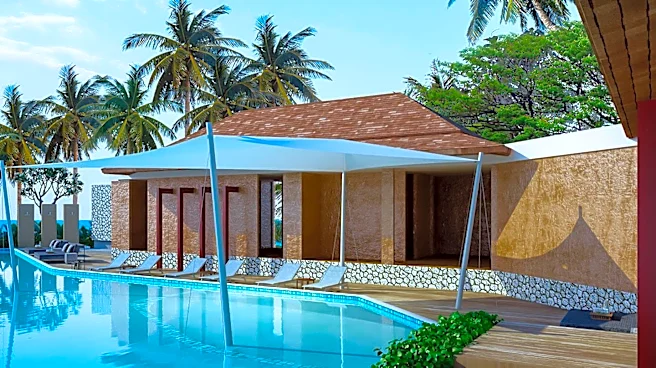
Wellness escapes are increasingly becoming a mainstream lifestyle choice, moving beyond traditional, lengthy commitments to offer more flexible and accessible options. For instance, RXV Wellness Village in Bangkok has introduced a one-night program, catering
to couples, friends, solo travelers, and families who seek a brief, focused wellness experience without dedicating an entire holiday. This initiative aims to introduce guests to essential wellness elements and inspire them to integrate well-being practices into their daily lives. Similarly, luxury wellness retreats are emphasizing the concept of 'subtraction,' providing unstructured time and natural environments to foster genuine relaxation and sustained high performance. These retreats often combine personalized programs and expert-led therapies with ample unscheduled time, allowing for deeper rejuvenation. The shift reflects a growing demand for wellness solutions that fit into busy schedules and cater to individuals who are 'wellness-curious' but may not be ready for a longer, more intensive retreat.
Why It's Important?
This evolution in wellness travel is significant for the U.S. market as it reflects a broader societal trend towards prioritizing mental and physical well-being amidst demanding lifestyles. The introduction of shorter, more flexible wellness programs makes these experiences accessible to a wider demographic, including time-conscious professionals and families, potentially expanding the wellness tourism sector. For U.S. industries, this trend could influence corporate wellness programs, encouraging companies to offer similar benefits or support employees in pursuing such retreats. The emphasis on 'subtraction' and unstructured time also highlights a growing recognition of the importance of genuine rest and disconnection for preventing burnout and enhancing productivity, a critical concern for the U.S. workforce. Businesses in the hospitality and travel sectors stand to gain by adapting their offerings to meet this demand for diverse, personalized, and flexible wellness experiences, while individuals stand to benefit from more attainable avenues for stress reduction and self-care.
What's Next?
The trend towards flexible and less structured wellness retreats is likely to continue, with more establishments offering varied program lengths and customizable experiences. We can anticipate an increase in 'wellness-curious' travelers seeking introductory programs, which may lead to a broader integration of wellness components into standard travel packages. The focus on 'subtraction' and digital detox is also expected to grow, with retreats actively promoting environments that encourage disconnection from constant digital demands. This could prompt technology companies to explore partnerships with wellness providers, or even develop new tools that facilitate mindful disconnection. Furthermore, as the understanding of wellness deepens, there may be a greater emphasis on personalized diagnostics and expert-led therapies, even within shorter stays, to provide more targeted and effective interventions. The success of these evolving models will likely encourage more U.S.-based resorts and travel companies to innovate their wellness offerings, potentially leading to a more diverse and competitive market.
Beyond the Headlines
The shift towards flexible and unstructured wellness retreats points to a deeper cultural re-evaluation of productivity and self-worth in the U.S. society. The 'luxury of doing nothing' challenges the ingrained notion that constant activity and achievement are paramount, suggesting that intentional rest and disconnection are not only beneficial but essential for sustained well-being and high performance. This paradigm shift has ethical implications, encouraging a re-examination of work-life balance and the pressures placed on individuals in a hyper-connected world. It also highlights a growing awareness of the psychological and physiological costs of chronic stress and burnout. Culturally, this trend could foster a greater appreciation for mindfulness, nature immersion, and genuine human connection, moving away from purely consumption-driven leisure. The long-term impact could be a more holistic approach to health and happiness, where preventative self-care is valued as much as, if not more than, reactive treatment, potentially influencing public health initiatives and educational programs.