






What's Happening?
Shein, a fast-growing e-commerce giant, has reported a $99 million quarterly loss as it prepares for its Hong Kong IPO. The loss is attributed to the removal of the U.S. import duty exemption on small packages and a significant one-time accounting charge.
The company's financial filings reveal a first-quarter loss in 2026, contrasting with a net income of $395 million the previous year. The European Union has also imposed a fee on low-value e-commerce imports, impacting Shein's operations. Despite these challenges, Shein has received approval from the China Securities Regulatory Commission for its Hong Kong listing, following unsuccessful attempts in New York and London.
Why It's Important?
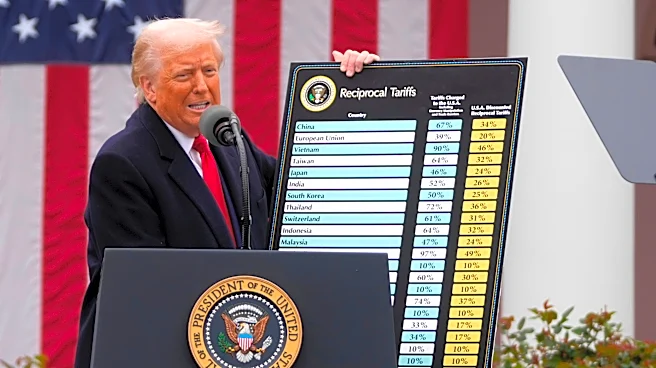
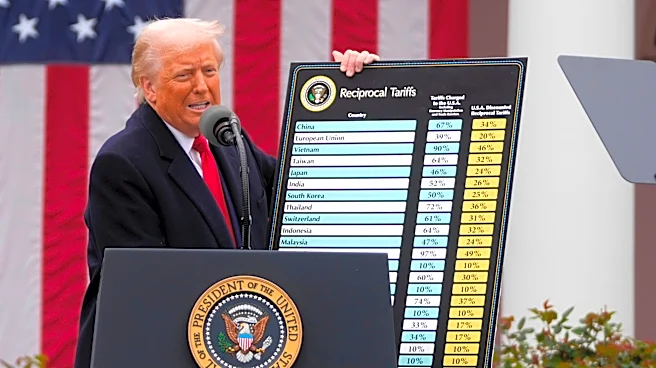
The financial difficulties faced by Shein highlight the impact of changing international trade policies on global e-commerce businesses. The removal of the U.S. de minimis duty exemption has increased costs for Shein, affecting its sales in its largest market. This situation underscores the vulnerability of companies reliant on cross-border trade to regulatory changes. The IPO in Hong Kong is crucial for Shein to secure new funds amid these pressures. The company's valuation has significantly dropped from previous estimates, reflecting the challenges in maintaining growth and profitability in a shifting economic landscape.
What's Next?
Shein plans to adjust its pricing strategy in the U.S. to offset increased costs due to tariffs. The company is exploring various options to mitigate the financial impact, including potential price increases. The IPO process in Hong Kong will involve investor roadshows and official bookbuilding, although details such as the offer price and expected proceeds remain undisclosed. The outcome of the IPO will be pivotal in determining Shein's ability to navigate current financial pressures and regulatory challenges.
Beyond the Headlines
The situation with Shein illustrates broader trends in international trade and e-commerce, where regulatory changes can significantly impact business operations. The removal of duty exemptions in major markets like the U.S. and EU reflects growing scrutiny on e-commerce practices and competition. This could lead to more stringent regulations globally, affecting other companies in the sector. The IPO in Hong Kong also highlights the strategic shift of companies seeking listings in Asia amid geopolitical tensions and regulatory hurdles in Western markets.