



What's Happening?
Golden Door, a wellness retreat located in San Marcos, California, has achieved an elite rating of 9 out of 10 by RetreatVault, placing it among the top small-scale wellness retreats globally. The retreat, which has been operating since 1958, received
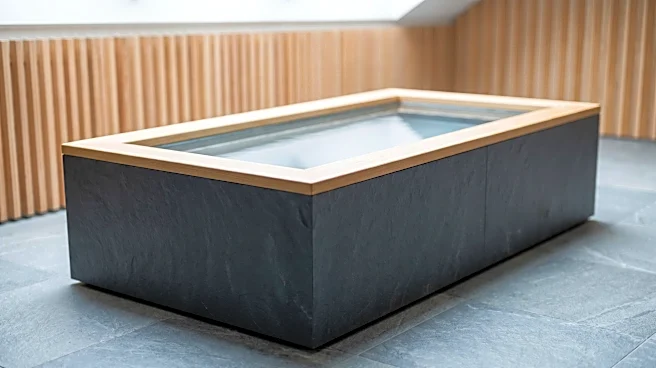
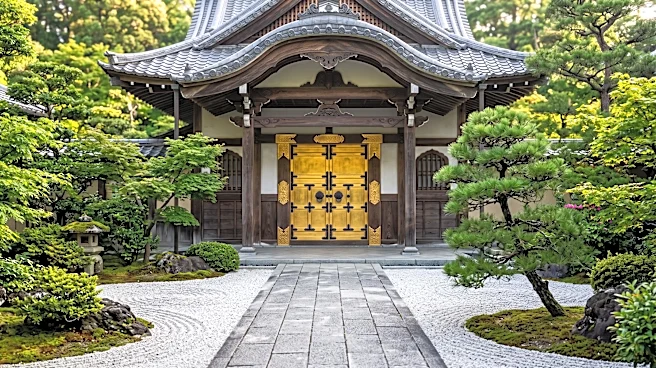
top marks in Fitness & Movement (9.5), Nutrition & Food Quality (9.5), and Social Proof & Reputation (9.5). Its longevity and consistent high performance are supported by strong customer reviews, including 4.9 on Google and 5/5 on TripAdvisor. Golden Door is recognized for its comprehensive approach to wellness, featuring an on-site organic farm, Japanese-zen architecture, and a high staff-to-guest ratio of 1:4. The retreat emphasizes a structured program that includes daily hikes, various fitness classes, personal training, and chef-designed 1,600-calorie Japanese-inspired meals. The 600-acre property, with its Japanese gardens, meditation labyrinth, watsu pools, and hot springs, is designed to provide a sensory reset and promote digital detox as an integral part of the experience.
Why It's Important?
The high rating of Golden Door underscores a growing trend in the U.S. luxury wellness market, where consumers are increasingly seeking immersive and structured experiences that go beyond traditional spa services. This trend indicates a shift towards holistic wellness programs that integrate physical activity, nutrition, and mental well-being. For the U.S. hospitality and wellness industries, the success of retreats like Golden Door highlights the demand for high-end, results-oriented offerings. Businesses that can provide comprehensive, well-executed wellness programs, particularly those with a strong focus on personalized care and unique environments, are likely to attract affluent clientele. The emphasis on sustainability, as evidenced by Golden Door's organic farm, also reflects a broader consumer preference for environmentally conscious and ethically operated businesses. This could encourage other wellness providers to adopt similar practices, influencing supply chains and operational standards within the sector.
What's Next?
The continued success and high ratings of luxury wellness retreats like Golden Door are likely to inspire further investment and innovation in the U.S. wellness tourism sector. Competitors may seek to emulate Golden Door's model by enhancing their fitness and nutrition programs, improving staff-to-guest ratios, and incorporating unique architectural or natural elements to create distinctive experiences. There could be an increased focus on integrating digital detox and mindfulness practices into retreat offerings, as these elements are highlighted as key to Golden Door's success. Additionally, the industry might see a greater emphasis on transparently showcasing program effectiveness and guest outcomes, moving beyond marketing rhetoric to demonstrate tangible benefits. However, the high price point of such retreats, with rates starting at $1,400 per night and a seven-night minimum commitment, suggests that this segment will remain exclusive, catering to a niche market capable of significant investment in personal well-being.
Beyond the Headlines
The prominence of Golden Door in the wellness landscape points to deeper societal shifts regarding health and self-care among affluent populations. The willingness to spend upwards of $10,000 for a week-long retreat signifies a perception of wellness as a critical investment rather than a mere luxury. This trend could exacerbate existing health disparities, as comprehensive, high-quality wellness interventions become increasingly accessible only to those with significant financial resources. Ethically, it raises questions about the democratization of wellness and whether similar benefits can be made available to a broader demographic. Culturally, the retreat's Japanese-zen architecture and emphasis on digital detox reflect a desire to escape the constant connectivity and stress of modern life, suggesting a growing appreciation for simplicity, nature, and structured disengagement. This could influence urban planning and architectural design, with more spaces incorporating elements that promote tranquility and mindfulness.