





What's Happening?
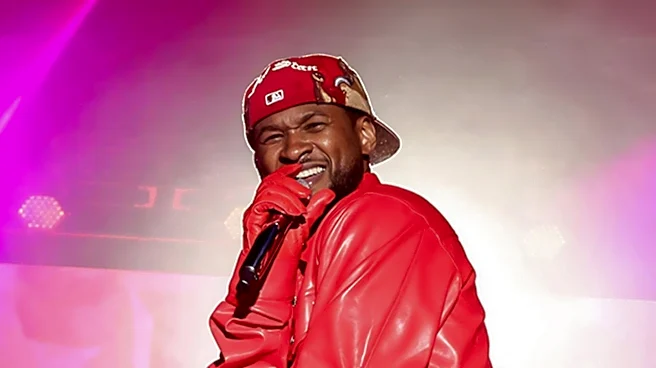
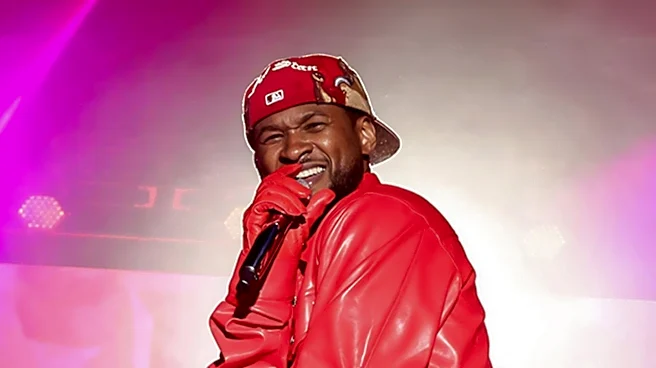
During the second of two Raymond & Brown "R&B" Tour stops in New Orleans on Saturday, November 21, a fire performer fell off the stage at Caesars Superdome. Fan-captured videos circulating on social media show the performer, who was twirling two fiery
batons, falling down a flight of stairs. The performer appeared to be surrounded by flames and smoke for a few seconds before emerging and continuing their performance, seemingly uninjured. TMZ was the first to report the incident. It remains unclear at what specific point during Usher and Chris Brown's sets the fall occurred, as pyrotechnics are a regular feature of the tour. Representatives for Chris Brown, Usher, and Live Nation, the tour's producer and manager, have not yet responded to requests for comment regarding the incident.
Why It's Important?
This incident highlights the inherent risks associated with live performances that incorporate elaborate pyrotechnics and complex staging. While the performer appeared to be uninjured, such events raise concerns about performer safety protocols and emergency response measures at large-scale concerts. For concertgoers, it underscores the potential for unexpected incidents, which can impact their experience and perception of safety at venues. For the entertainment industry, particularly tour organizers and venue operators like Live Nation and Caesars Superdome, it could prompt a review of safety regulations, insurance liabilities, and performer training to prevent future occurrences and ensure the well-being of all involved in live productions. The viral nature of the footage also brings immediate public scrutiny to the artists and the tour's management.
What's Next?
The incident may lead to increased scrutiny of safety protocols for live performances, particularly those involving fire and other potentially hazardous elements. Tour organizers and venue management, including Live Nation and Caesars Superdome, might face pressure to review and potentially enhance their safety measures and emergency response plans. Public and media attention will likely focus on any official statements from the artists' representatives or the tour organizers regarding the performer's condition and the circumstances of the fall. Depending on the outcome of any internal investigations, there could be adjustments to future tour performances to mitigate similar risks. This event could also spark broader discussions within the entertainment industry about the balance between spectacle and safety in live shows.
Beyond the Headlines
Beyond the immediate safety concerns, this incident touches upon the broader cultural expectation for increasingly elaborate and visually stunning live performances. Artists and production teams are constantly pushing boundaries to create memorable experiences for audiences, often incorporating high-risk elements like pyrotechnics, aerial stunts, and complex stage designs. This pursuit of spectacle, while entertaining, inherently increases the potential for accidents. The incident also highlights the role of social media in instantly disseminating news and shaping public perception of such events, placing immediate pressure on those involved to respond. It could lead to a re-evaluation of the ethical responsibilities of event organizers to ensure the safety of performers, even as they strive to deliver cutting-edge entertainment.