





What's Happening?
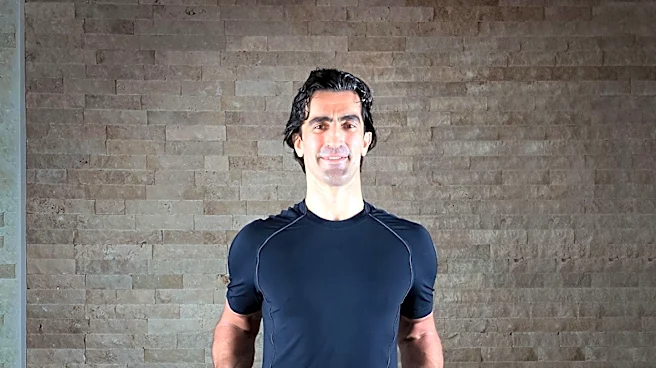
Celebrity trainer Kirsty Godso has developed a new fitness philosophy called the 'Pyro Method,' a hybrid workout combining strength training and Pilates with 'micro-doses' of high-intensity interval training (HIIT). Godso, known for training clients such
as Olivia Rodrigo and Hailey Bieber, emphasizes consistency, repetition, and gradually increasing weight loads as the core principles of Pyro. She believes in helping individuals find their motivation beyond aesthetic goals, focusing instead on the importance of doing challenging things to build confidence and improve skills. The Pyro Method incorporates various equipment, including resistance bands and dumbbells, alongside bodyweight exercises. Signature exercises include the 'hot-sauce burpee,' switch climbers, and typewriter planks. Godso also stresses the importance of personalized training, adapting sessions to individual needs rather than adhering to a one-size-fits-all approach, and always includes five to ten minutes of foam rolling and activation work before each session.
Why It's Important?
The introduction of the 'Pyro Method' by a prominent celebrity trainer like Kirsty Godso can significantly influence fitness trends and public approaches to exercise in the U.S. As fitness culture continues to evolve, new methodologies that promise 'real-world strength' and personalized training resonate with a broad audience seeking effective and sustainable workout routines. Godso's emphasis on consistency and progressive overload, rather than just calorie burning, promotes a healthier and more holistic view of fitness, potentially shifting focus from purely aesthetic outcomes to functional strength and overall well-being. This approach can empower individuals to build confidence and skill, which are crucial for long-term adherence to exercise. For the fitness industry, new methods like Pyro can drive demand for specific types of equipment, training programs, and app-based content, creating economic opportunities for trainers, gyms, and fitness technology companies. It also highlights the growing trend of celebrity trainers shaping mainstream fitness practices.
What's Next?
The 'Pyro Method' is likely to gain further traction, especially through Godso's app and social media presence, potentially becoming a popular workout regimen across the U.S. Fitness enthusiasts and those seeking new training challenges may adopt the method, leading to increased demand for related classes, workshops, and specialized equipment. Other trainers and fitness brands might draw inspiration from Pyro's hybrid approach, leading to the development of similar programs that blend different exercise modalities. The emphasis on personalized training and functional strength could also influence how gyms and fitness studios design their offerings, moving towards more tailored and goal-oriented programs. As the method gains popularity, there may be more research or testimonials emerging to validate its effectiveness, further solidifying its place in the fitness landscape. Godso's continued work with high-profile clients will also keep the method in the public eye.
Beyond the Headlines
The rise of specialized fitness methods like Pyro reflects a broader cultural shift towards more intentional and personalized health and wellness practices. Beyond the physical benefits, Godso's philosophy of finding motivation beyond aesthetics and embracing challenging tasks can have significant psychological impacts, fostering resilience and mental toughness. This approach aligns with a growing understanding of the mind-body connection in fitness, where mental fortitude is as crucial as physical strength. The influence of celebrity trainers also highlights the power of personal branding and social media in shaping public health behaviors, raising questions about the accessibility and equity of such high-end training philosophies. While these methods can inspire many, they also underscore the potential for fitness trends to become exclusive or create unrealistic expectations if not adapted thoughtfully for diverse populations. The long-term impact could be a more informed and nuanced approach to fitness, moving away from fads towards sustainable, science-backed practices.