






What's Happening?
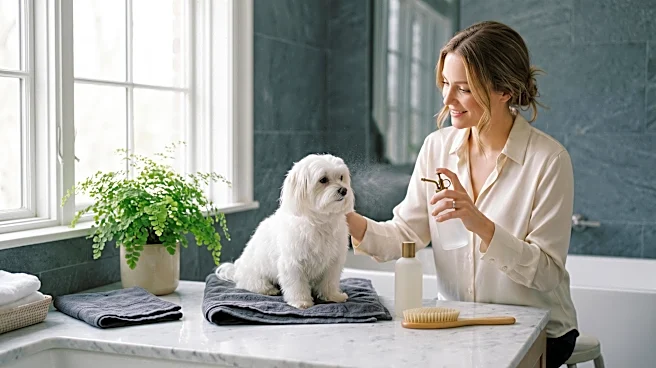
Lil Luv Dog, a U.S.-based pet care brand, has expanded its presence into the UK market with the launch of its 'clean beauty' products for dogs at Selfridges. The company introduced its liquid shampoo and leave-in conditioning mist exclusively at the department
store, adding to its existing range of dry shampoo, grooming wipes, and grooming brushes. Lil Luv Dog aims to position pet beauty as a global beauty category, rather than just another pet care brand. The brand's distribution strategy has intentionally focused on prestige U.S. beauty and lifestyle retailers such as Goop, Violet Grey, and Revolve, rather than traditional pet channels. Founder Cara Santana-Leto stated that Selfridges was chosen as the first international retail partner due to its alignment with the brand's vision for the future of beauty and culture. Co-founder Stephanie Suganami emphasized that the brand was created to address a perceived gap between the sophistication of human beauty and personal care industries and the offerings available for dogs. Lil Luv Dog's products are the first pet grooming items to receive Environmental Working Group (EWG) Verified certification, highlighting their commitment to high standards for ingredients and formulations. The products are available in two signature scents: cactus flower and oat.
Why It's Important?
This expansion signifies a growing trend in the U.S. and global pet care market towards premiumization and humanization of pet products. Lil Luv Dog's strategy of distributing through high-end beauty and lifestyle retailers, rather than traditional pet stores, reflects a deliberate effort to redefine pet grooming as a luxury beauty category. This approach targets a specific consumer demographic: individuals who are already intentional about their own beauty and wellness choices and are increasingly extending that same level of consideration to their pets. The brand's emphasis on 'clean beauty' and EWG Verified certification aligns with broader consumer demands for transparency, sustainability, and high-quality ingredients in personal care products, now extending to pets. This trend has significant economic implications, as it opens up new revenue streams for retailers and manufacturers in both the beauty and pet industries. It also indicates a shift in consumer spending habits, where pets are increasingly viewed as integral family members deserving of human-level care and products. The success of brands like Lil Luv Dog could encourage more beauty and lifestyle companies to enter the pet care market, further blurring the lines between human and pet product categories and driving innovation in pet grooming and wellness.
What's Next?
Lil Luv Dog plans to continue expanding its physical retail presence in the U.S., particularly with the launch of its new wash products. The brand's retail model involves a mix of physical retail and e-commerce through independent specialty retailers and experiential retail environments. While there are no immediate plans for a permanent standalone Lil Luv Dog store, the company is exploring various physical experiences such as pop-ups, takeovers, and beauty suites. These initiatives aim to create spaces where pet owners can bring their dogs, discover products, experience grooming services, and engage with a community. This strategy suggests a focus on experiential retail to build brand loyalty and establish a unique market presence. The brand's continued emphasis on high-quality, EWG Verified products and its positioning within the luxury beauty sector indicate a sustained effort to elevate the pet grooming industry. Future developments may include further product line expansions, additional international market entries, and potential collaborations with other luxury brands, as the company seeks to solidify pet beauty as a recognized and valued global category.
Beyond the Headlines
The emergence of 'pet beauty' as a distinct category, championed by brands like Lil Luv Dog, reflects a profound cultural shift in the U.S. and other developed nations regarding the role of pets in human lives. This trend goes beyond simple pet ownership, indicating a deeper emotional connection where pets are increasingly treated as companions and family members, deserving of the same, if not higher, standards of care and luxury as humans. The high price point of Lil Luv Dog's products (e.g., £42 for shampoo) highlights a willingness among consumers to invest significantly in their pets' well-being and appearance, mirroring the spending patterns seen in the human luxury beauty market. This phenomenon raises questions about consumer values, disposable income allocation, and the psychological benefits derived from pampering pets. It also points to the potential for ethical considerations regarding animal welfare and the commercialization of pet care, ensuring that the focus remains on the animals' health and comfort rather than purely aesthetic or human-centric desires. The long-term impact could include a redefinition of pet ownership, increased demand for specialized pet services, and a further integration of pet-centric products into mainstream lifestyle and beauty industries.