






What's Happening?
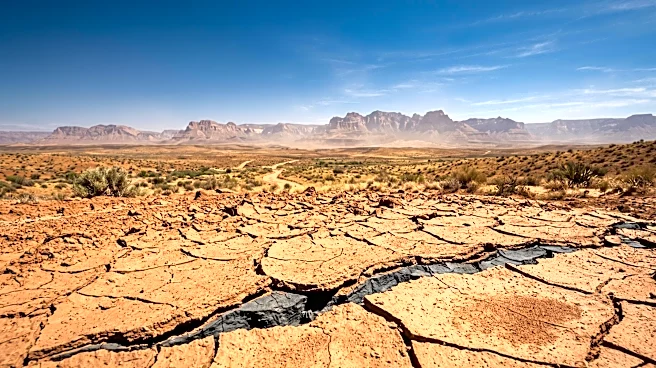
A recent Airmic Live webinar, featuring Lukas Kocher, a consultant in climate advisory and climate analytics at Munich Re, underscored that extreme heat is rapidly transitioning from a distant climate concern to an immediate enterprise risk for businesses.
Kocher stated that recent heatwaves would have been 'virtually impossible' without climate change, demonstrating how rising temperatures affect businesses, workers, and society. The webinar identified six interconnected ways extreme heat impacts businesses: human health, labor productivity, infrastructure, agriculture, energy systems, and natural catastrophes. For instance, extreme heat directly threatens human life, reduces the ability to work safely and efficiently, and can cause physical assets like roads and railway tracks to fail. It also compounds drought, affects crop development, increases demand for cooling while reducing energy generation efficiency, and elevates risks of wildfires and flash flooding. Businesses are already experiencing these impacts through workforce disruption, business interruption, rising operating costs, and revenue loss.
Why It's Important?
For U.S. businesses, these insights are critical as they highlight the immediate and multifaceted threats posed by extreme heat. The direct impact on human health can lead to increased healthcare costs, absenteeism, and potential liabilities for employers. Reduced labor productivity, particularly in outdoor or physically demanding sectors like construction, agriculture, and logistics, can result in significant economic losses. Infrastructure vulnerabilities, such as power outages from overheating transformers or transportation delays due to damaged roads and rails, can disrupt supply chains and operational continuity across various industries. The agricultural sector faces direct threats to crop yields and livestock, impacting food security and prices. Furthermore, increased energy demand for cooling, coupled with reduced generation efficiency, can strain power grids and lead to higher utility costs. Recognizing these interconnected risks is essential for U.S. companies to develop comprehensive risk management strategies and build resilience against climate change impacts.
What's Next?
Businesses in the U.S. are urged to manage heat stress as a current, rather than future, risk. This involves implementing site-specific measures such as adjusting working hours, providing shade and hydration for employees, and improving building resilience. Real-time information and monitoring will become increasingly vital for operational decision-making. Risk transfer mechanisms, like parametric insurance, are expected to gain traction as they offer rapid payouts to help businesses manage additional costs and disruptions. Beyond corporate actions, governments and regulators in the U.S. will likely need to play a more leading role. This could involve updating building codes, strengthening workplace regulations and standards related to heat exposure, increasing infrastructure investment to enhance resilience, and developing national heat-stress frameworks. These governmental interventions will be crucial for fostering broader economic and societal resilience against the escalating threat of extreme heat.
Beyond the Headlines
The shift from viewing climate change as an environmental issue to an enterprise risk signifies a profound change in corporate strategy and governance. This re-framing compels U.S. businesses to integrate climate risk into their core financial planning, supply chain management, and human resources policies. The interconnectedness of the six identified channels of impact suggests that a siloed approach to risk management is insufficient; instead, a holistic, systemic approach is required. This could lead to innovations in heat-resilient technologies, sustainable building materials, and adaptive agricultural practices. Furthermore, the emphasis on government and regulatory leadership highlights a growing expectation for public-private partnerships in addressing climate resilience. This could spur new policy frameworks that incentivize businesses to adopt sustainable practices and invest in climate adaptation, potentially reshaping economic landscapes and fostering a more resilient national infrastructure. The ethical dimension also comes to the forefront, as companies grapple with their responsibility to protect workers and communities from the adverse effects of extreme heat.