





What's Happening?
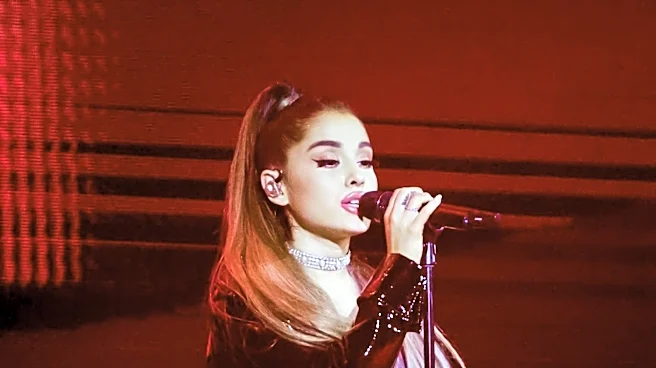
Ariana Grande's 2026 number one hit, 'hate that I made you love me,' is set to be featured on a new vinyl compilation titled 'NOW That’s What I Call Music! – VINYL 25-26.' This album will include 42 tracks across three red vinyl LPs, showcasing major
hits from 2025 and 2026. The compilation aims to bring together contemporary hits from various popular artists for the first time on vinyl. Grande's track will appear on LP2, alongside other notable artists such as Zara Larsson and Tate McRae. The album is scheduled for release on November 13, 2026, and is presented as a unique collection for music enthusiasts.
Why It's Important?
The inclusion of Ariana Grande's hit on a major vinyl compilation highlights her continued relevance and commercial success in the music industry. For fans, this release offers a physical format to collect her recent chart-topping work, catering to the growing vinyl market. For the music industry, such compilations demonstrate a strategy to package and re-monetize popular tracks, appealing to both nostalgic collectors and new listeners. The album's focus on recent hits from 2025 and 2026 also provides a snapshot of contemporary pop music trends, indicating which artists and songs are considered significant enough to be included in a curated collection.
What's Next?
The 'NOW That’s What I Call Music! – VINYL 25-26' compilation is slated for release on November 13, 2026. Following its release, it is expected to be available through various music retailers and online platforms. The compilation's success could influence future decisions by record labels regarding similar multi-artist vinyl releases, potentially leading to more curated collections of recent chart-toppers. Music critics and fans will likely review the compilation, assessing its tracklist and overall value as a historical record of contemporary music.
Beyond the Headlines
This compilation reflects a broader trend in the music industry where physical media, particularly vinyl, continues to hold cultural and commercial value despite the dominance of digital streaming. For artists like Ariana Grande, being featured on such a collection not only solidifies their legacy but also introduces their music to different demographics, including audiophiles and collectors who prioritize physical formats. The curation of 'major hits' from specific years also serves as a cultural artifact, documenting the popular music landscape of that period and potentially influencing future music trends and historical analyses of pop culture.