



What's Happening?
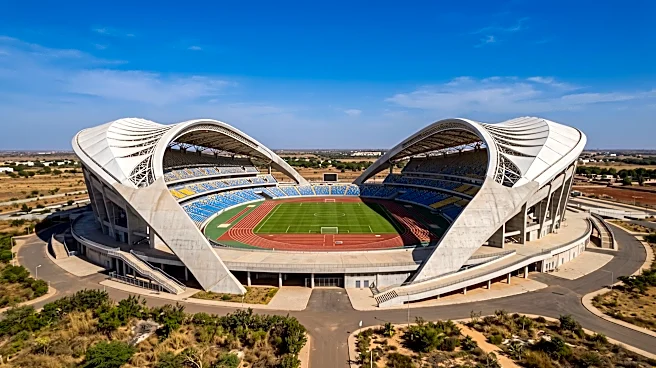
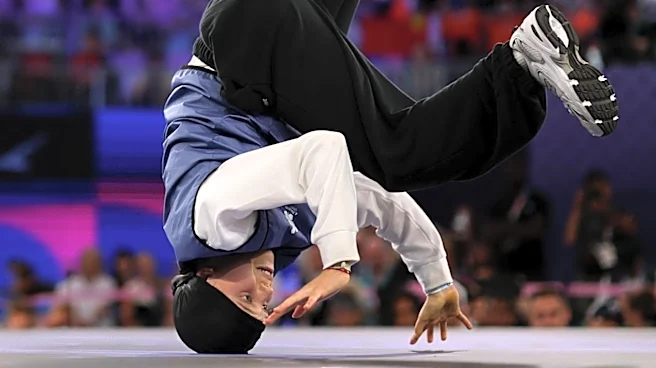
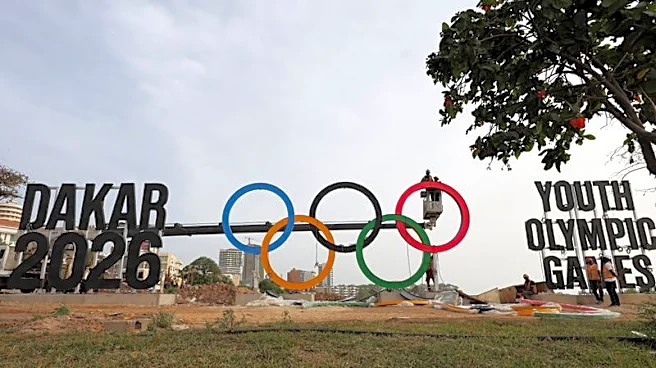
Dakar, Senegal, is set to host the fourth Summer Youth Olympics, marking the first time an Olympic event will be held in Africa. As part of this historic occasion, a group of young Senegalese breakdancers is intensively preparing to compete on the world
stage. These dancers, including 15-year-old Suzanne Toure and 14-year-old Seny Dieme, are training in Dakar, honing their skills and incorporating unique cultural elements into their routines. Coach Francis Simeon Gomis emphasizes the fusion of American and European breakdancing influences with traditional African dances, creating a distinctive Senegalese style. Dieme, for instance, integrates moves from yela, a traditional Senegalese dance performed at weddings and baptisms, into his performances. The dancers express a strong desire not just to participate but to win medals, viewing the Olympics as an opportunity to showcase their identity and Senegal's contribution to the dance world.
Why It's Important?
This event holds significant cultural and athletic importance, as it marks a pivotal moment for both Senegal and the Olympic movement. Hosting the Youth Olympics in Dakar signifies a broader recognition of Africa's growing role in global sports and culture. For the Senegalese breakdancers, it provides an unprecedented platform to gain international exposure, potentially inspiring a new generation of athletes and artists across the continent. Their unique blend of traditional African dance with contemporary breakdancing highlights the dynamic evolution of cultural expression and the global exchange of artistic forms. Success at the Olympics could elevate the profile of breakdancing in Senegal and foster greater investment in youth sports and arts programs, demonstrating the power of cultural fusion in competitive arenas.
What's Next?
As the Summer Youth Olympics commence in Dakar, the immediate focus will be on the performance of the Senegalese breakdancing team. Their participation will be closely watched, particularly as they introduce their distinctive style to an international audience. Beyond the immediate competition, the event is expected to leave a lasting legacy in Senegal, potentially boosting local interest and participation in breakdancing and other urban sports. The visibility gained from hosting the Olympics could also lead to increased tourism and cultural exchange, further integrating Senegal into the global sports and entertainment landscape. The success of these young athletes could also influence future Olympic decisions regarding the inclusion and promotion of diverse cultural sports.
Beyond the Headlines
The participation of Senegalese breakdancers in the Youth Olympics transcends mere athletic competition; it represents a powerful narrative of cultural globalization and adaptation. Breakdancing, originating in the streets of New York, has traveled worldwide, absorbing local influences and evolving into new forms. The Senegalese team's integration of traditional African dances like yela into their routines exemplifies this cultural synthesis, showcasing how global art forms can be reinterpreted through local lenses. This phenomenon challenges conventional notions of cultural authenticity and highlights the fluidity of artistic expression. It also underscores the role of sports as a vehicle for cultural diplomacy, allowing nations to share their unique heritage and contemporary identity on a global stage, fostering cross-cultural understanding and appreciation.