





What's Happening?
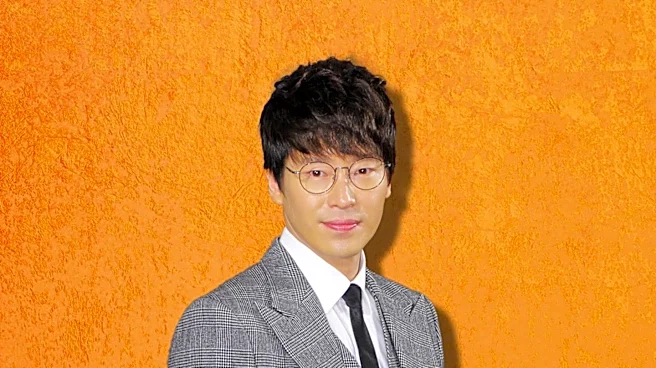
Composer Lee Jin-wook has filed a criminal complaint against Cheon Myung-hoon, a former member of the group NRG, alleging obstruction of business and fraud. The complaint stems from claims that Cheon Myung-hoon presented Lee Jin-wook's song, 'I Took a Picture,'
as his own original composition on a broadcast without permission. The incident reportedly occurred during a December 2019 episode of the TV Chosun dating variety show 'The Taste of Love,' where the song was credited to Cheon Myung-hoon as both lyricist and composer. Lee Jin-wook stated that he had previously provided a demo of the song to Cheon Myung-hoon when the latter was preparing for the trot competition 'Mr. Trot.' 'Jjipyeosseo,' the original title of the song, is registered with the Korean Music Copyright Association (KMCA) under Lee Jin-wook's name. Despite Lee Jin-wook's protests to Cheon Myung-hoon after the broadcast, he was reportedly told that a scriptwriter was responsible for the error. Lee Jin-wook also suspects that Cheon Myung-hoon attempted to use the broadcast performance to fulfill the 'public performance' requirement for copyright registration. The police, however, decided last month not to refer the case to the prosecution, citing difficulties in proving obstruction of Lee Jin-wook's composing activities or financial damage, and the expiration of the statute of limitations. Lee Jin-wook plans to appeal this decision.
Why It's Important?
This case highlights significant issues within the music industry regarding intellectual property rights, copyright attribution, and the potential for exploitation of creative works. For composers and artists, ensuring proper credit and protection for their original material is crucial for their livelihoods and professional integrity. The allegations against Cheon Myung-hoon, a public figure, underscore the importance of ethical conduct in the entertainment sector and the potential repercussions for misrepresenting authorship. The police's decision not to refer the case to prosecution, citing challenges in proving financial damage and the statute of limitations, raises questions about the adequacy of legal frameworks in protecting creators from such alleged infringements. This situation could deter emerging artists from sharing their work, fearing it might be misappropriated without sufficient legal recourse. The outcome of Lee Jin-wook's appeal will be closely watched by the creative community, as it could set a precedent for how similar disputes are handled in the future and influence the perceived effectiveness of copyright enforcement mechanisms.
What's Next?
Lee Jin-wook intends to file an appeal against the police's decision not to refer the case to the prosecution. This appeal will seek to overturn the initial ruling and push for further investigation into the allegations of obstruction of business and fraud. The legal process following the appeal could involve a re-evaluation of the evidence and potentially lead to the case being forwarded to the prosecution for formal charges. Cheon Myung-hoon has stated that the police investigation is complete and the matter resolved, indicating he is unlikely to make further public statements unless legally compelled. The broader implications for the entertainment industry include increased scrutiny on how musical compositions are credited and performed, particularly in broadcast settings. This case may prompt industry bodies and legal experts to review existing copyright protection measures and consider reforms to better safeguard the rights of composers and artists against alleged misappropriation and fraud.
Beyond the Headlines
Beyond the immediate legal battle, this case touches upon the broader ethical responsibilities of public figures and the media in accurately attributing creative works. The alleged misrepresentation of authorship on a widely viewed television program raises concerns about the integrity of content presented to the public and the potential for audiences to be misled. It also highlights the power dynamics within the entertainment industry, where established figures might inadvertently or intentionally overshadow the contributions of less prominent creators. The difficulty in proving 'obstruction of business' or 'financial damage' in such cases, as cited by the police, points to a systemic challenge in valuing and protecting intangible creative assets. This could lead to a chilling effect, where creators become more hesitant to collaborate or share their work, fearing a lack of adequate legal protection. The incident also underscores the need for clearer contractual agreements and robust verification processes for content used in media productions to prevent similar disputes and uphold ethical standards.