




What's Happening?
DoorDash, a technology company known for its local commerce platform, is significantly expanding its grocery delivery services. The company recently aired a 30-second advertisement during the Super Bowl, titled 'We Get Groceries,' marking its first ad campaign
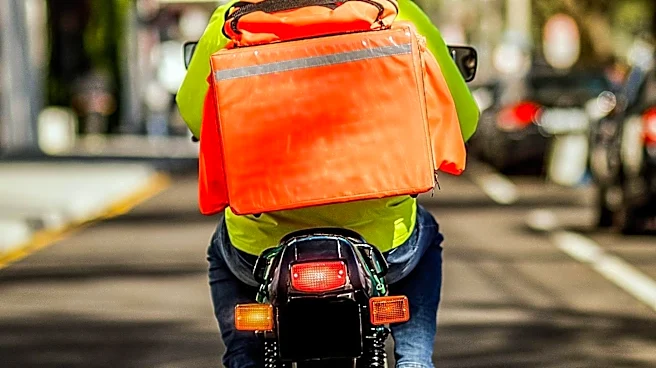
specifically for its grocery delivery business. This initiative highlights DoorDash's partnerships with major retailers such as Albertsons, Safeway, Dollar General, Hy-Vee, Meijer, Sprouts, Walgreens, and Wawa, offering non-restaurant food delivery across the country. The ad featured chefs Matty Matheson, Raekwon The Chef, and Tiny Chef, demonstrating how DoorDash shoppers, known as Dashers, select fresh groceries. DoorDash currently boasts over 25 million monthly active users and has more than 75,000 grocery, convenience, and retail stores on its platform. The company also announced a new partnership with streaming service Roku to create shoppable TV ads for various retailers.
Why It's Important?
This strategic expansion into grocery delivery and increased advertising signifies DoorDash's ambition to diversify beyond its core restaurant delivery business. By partnering with a wide array of grocery and convenience stores, DoorDash is directly competing in the rapidly growing online grocery market, which has seen accelerated adoption since 2020. This move impacts traditional grocery retailers by offering them an additional channel for sales and reaching customers who prefer the convenience of home delivery. For consumers, it means more options for same-day grocery delivery, potentially increasing competition and improving service quality. The partnership with Roku for shoppable TV ads also represents an innovative approach to e-commerce, blurring the lines between entertainment and retail, and potentially setting a new standard for how consumers discover and purchase products.
What's Next?
DoorDash plans to continue its omnichannel grocery ad campaign through June, utilizing future TV ads, in-app advertising, paid digital channels, and other activations. The company's focus on expanding its grocery category suggests further partnerships with retailers and potentially new features to enhance the grocery shopping experience. The collaboration with Roku could lead to more interactive and direct purchasing opportunities for consumers watching television, potentially influencing how other e-commerce platforms and retailers approach advertising. DoorDash's continued investment in its logistics and commerce solutions for merchants, alongside its subscription programs like DashPass, indicates a sustained effort to grow its market share and solidify its position as a comprehensive local commerce platform.
Beyond the Headlines
DoorDash's aggressive push into grocery delivery reflects a broader shift in consumer behavior towards convenience and on-demand services, a trend significantly accelerated by recent global events. This expansion also highlights the evolving landscape of the gig economy, with DoorDash relying on its network of Dashers to fulfill these diverse delivery needs. The company's strategy of integrating advertising with direct purchasing, as seen with the Roku partnership, could redefine the future of retail and advertising, making shopping a more seamless and integrated part of daily life. This move also raises questions about the long-term impact on local economies, the sustainability of rapid delivery models, and the competitive pressures on smaller, independent grocery stores.