
What's Happening?
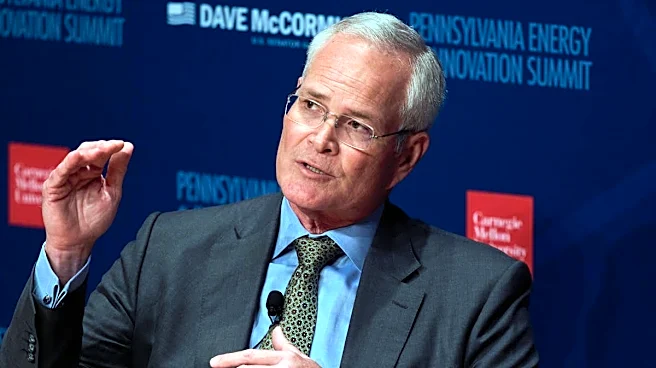
Darren Woods, CEO of ExxonMobil, has highlighted the ongoing issue of high gas prices, attributing them to a tight refining capacity rather than the cost of crude oil. Speaking on CNBC's Squawk Box, Woods explained
that the current market disconnect between crude oil prices and pump prices is due to a significant reduction in refining capacity. This reduction is partly caused by geopolitical tensions, including disruptions in the Middle East and Ukraine's attacks on Russian refineries, which have collectively removed about 5 million barrels per day from the market. Additionally, U.S. Gulf Coast refineries are benefiting from Venezuelan crude oil imports and a waiver of the Jones Act, allowing more flexible fuel shipping between U.S. ports.
Why It's Important?
The high gas prices have significant implications for the U.S. economy and consumers. As refining capacity remains constrained, fuel prices are likely to stay elevated, impacting transportation costs and consumer spending. This situation could lead to increased inflationary pressures, affecting economic growth. The geopolitical factors contributing to these constraints also highlight the vulnerability of global energy markets to regional conflicts. U.S. refineries, particularly those on the Gulf Coast, are positioned to benefit from the current market conditions, potentially leading to increased profits for companies like ExxonMobil.
What's Next?
If geopolitical tensions persist, particularly in the Middle East and Ukraine, refining capacity may remain limited, keeping gas prices high. The U.S. government and energy companies may need to explore strategies to increase domestic refining capacity or secure alternative supply sources to mitigate the impact on consumers. Additionally, any resolution or easing of tensions in these regions could lead to a stabilization of refining capacity and a potential decrease in gas prices.