



What's Happening?
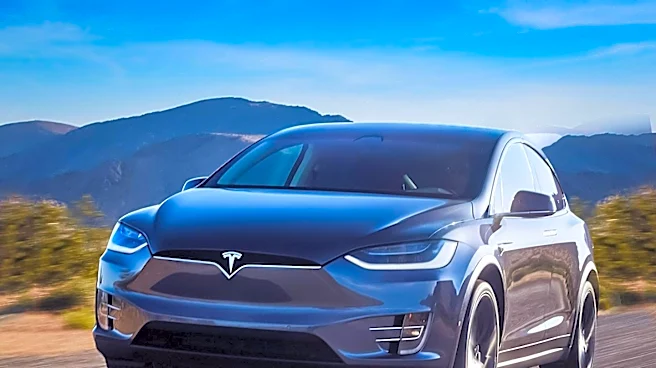
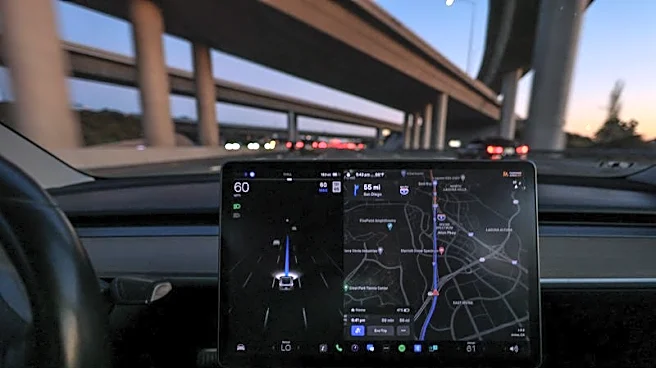
Content creator Linus Sebastian, host of Linus Tech Tips, documented his experience testing Tesla's subscription-based 'Full Self-Driving' (FSD) package. While Sebastian praised the system for its ability to navigate construction and even prevent a nighttime
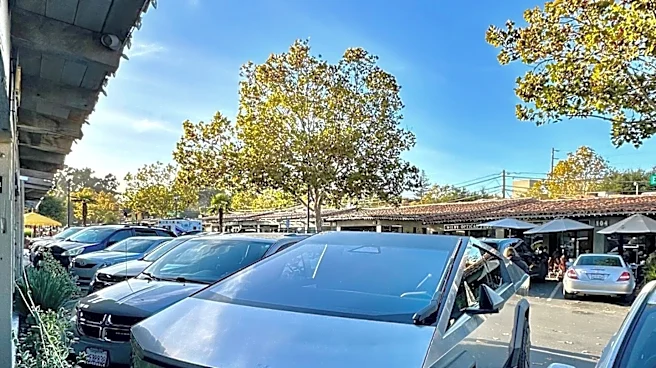
collision with a scooter rider he didn't see, he also highlighted its limitations. He had to intervene when the Tesla nearly collided with another car in a parking lot and noted instances where the car went to the wrong house, repeatedly circled a parking lot, and took an unwanted freeway detour. Sebastian emphasized that FSD is a Level 2 driver assistance system, requiring the driver to remain ready to take control at any moment.
Why It's Important?
This real-world test of Tesla's 'Full Self-Driving' system underscores the ongoing challenges and advancements in autonomous vehicle technology in the U.S. While FSD demonstrates impressive capabilities in certain scenarios, its inconsistencies and the necessity for human intervention highlight that true Level 5 autonomy (where the vehicle handles all driving tasks under all conditions) is still a distant goal. For U.S. consumers, this means that despite the 'Full Self-Driving' moniker, drivers must remain vigilant and engaged, as the technology is not yet foolproof. For the automotive industry, it emphasizes the need for continued development, rigorous testing, and clear communication about the limitations of current autonomous features to manage public expectations and ensure safety.
What's Next?
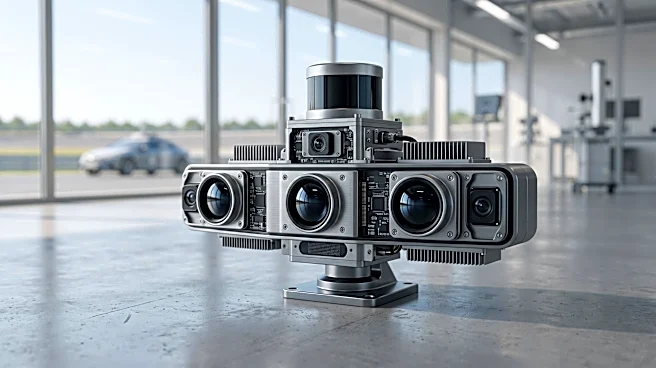
The continued development and deployment of advanced driver-assistance systems like Tesla's FSD will likely involve ongoing software updates and improvements to address identified glitches and enhance safety. Regulatory bodies in the U.S. will continue to scrutinize these systems, potentially leading to stricter guidelines for their naming, marketing, and operational capabilities to prevent consumer confusion and ensure safety. As more vehicles with advanced autonomous features hit the road, there will be an increased focus on driver education regarding the responsibilities associated with Level 2 systems. The industry will also likely invest further in sensor technology and AI algorithms to improve performance in complex environments like parking lots and varied lighting conditions.
Beyond the Headlines
The public's perception of 'Full Self-Driving' technology is a critical factor in its adoption and regulation. The term itself can create a 'false sense of security,' as Sebastian noted, potentially leading drivers to become overly reliant on the system and less attentive. This raises ethical questions about the responsibility in the event of an accident involving an autonomous vehicle and the legal frameworks needed to address such incidents. The long-term societal impact could include changes in urban planning, transportation infrastructure, and even the nature of driving itself. However, until the technology achieves higher levels of autonomy with proven reliability, the human element of supervision and intervention remains paramount, highlighting the complex transition phase in the evolution of automotive technology.