





What's Happening?
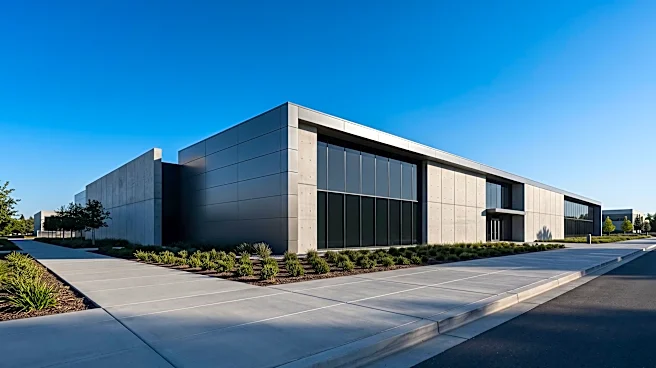
Louisiana regulators are set to begin a three-day evidentiary hearing on October 7 to review Entergy Louisiana’s proposed $12.9 billion power expansion. This significant investment is intended to support Meta’s rapidly growing Hyperion data center campus
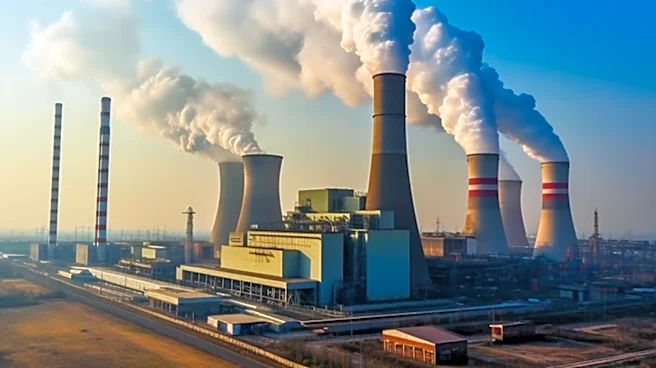
in Richland Parish. The Louisiana Public Service Commission (LPSC) initiated the case after Entergy filed its application in March, seeking certification for new generation and transmission resources for Evest LLC, the entity associated with the hyperscale campus. Entergy’s proposal includes plans for seven combined-cycle natural gas generating units, totaling approximately 5,278 MW, three battery-storage projects, and over 250 miles of new high-voltage transmission lines. Four of the gas units are planned near the Richland Parish campus, with the remaining three near Entergy’s existing Big Cajun generating complex in Pointe Coupee Parish. This proposed infrastructure represents a second major buildout for the Hyperion development, following an earlier package approved by the LPSC in 2025 for Meta’s initial data center project.
Why It's Important?
This proposed $12.9 billion power expansion is crucial for Louisiana's energy landscape and the broader U.S. digital infrastructure. The rapid growth of Meta's Hyperion data center, which is projected to become the largest in the company's fleet with an investment exceeding $50 billion, necessitates a substantial increase in power generation and transmission capacity. The project highlights the escalating electricity demands of data centers, driven by advancements in artificial intelligence and cloud services. If approved, it would significantly bolster Louisiana's energy infrastructure, providing more than 5 GW of new gas-fired generation and battery storage. This expansion is vital not only for Meta but also for the stability and capacity of the wider Entergy system, potentially benefiting other customers by integrating these new resources into the broader power grid. The outcome of the regulatory review will set a precedent for how large-scale industrial and technological developments are powered in the U.S., balancing economic growth with environmental and consumer concerns.
What's Next?
The three-day evidentiary hearing, scheduled from October 7 to October 9, will be the primary forum for scrutinizing Entergy’s proposal. Various parties, including the Alliance for Affordable Energy, Sierra Club, Union of Concerned Scientists, Louisiana Energy Users Group, and Walmart, along with Meta, are listed as participants. These stakeholders will have the opportunity to question witnesses, challenge testimony, and present evidence regarding projected electricity demand, proposed infrastructure, financing arrangements, and customer protections. A central issue for the LPSC will be determining how the new resources will operate and how their costs will be recovered, particularly Entergy’s claim that payments from Meta will cover the costs and protect existing customers. The LPSC is expected to consider the requested relief during its December 16, 2026, Business and Executive Session. Until then, the $12.9 billion expansion remains a proposal, with its approval contingent on the commission's findings and decision.
Beyond the Headlines
The Entergy proposal for Meta's data center in Louisiana underscores a critical national challenge: how to meet the burgeoning energy demands of the digital economy, particularly from data centers, while navigating environmental concerns and regulatory complexities. The debate over whether new gas-fired generation is the most appropriate solution highlights the tension between rapid technological expansion and the transition to cleaner energy sources. The project's scale and the involvement of major tech and energy companies could influence future energy policy and infrastructure development across the U.S. The LPSC's decision will not only impact Louisiana's energy future but also serve as a case study for other states grappling with similar issues. The dispute over information sought from Meta, including a subpoena that was later vacated, reveals the intricate legal and transparency challenges inherent in such large-scale projects, emphasizing the need for robust regulatory oversight and public engagement in shaping the energy landscape.