





What's Happening?
As winter approaches, indoor plants face challenges due to shorter days, colder drafts, and drier indoor air from heating systems. These environmental changes can lead to common issues such as yellow leaves, leggy stems, and crispy leaf tips. Effective
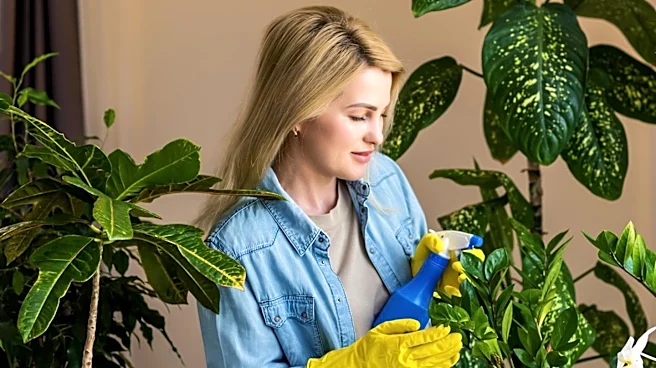
winter plant care involves adjusting watering, light exposure, temperature, and humidity. Tools like grow lights, heat mats, hygrometers, and circulation fans can help create a more stable indoor environment for plants. It is crucial to observe plants closely and make gradual adjustments to their care routines. Wiping dust from leaves every one to two weeks is also recommended to support photosynthesis and maximize the limited available sunlight. Additionally, plants generally require less water and fertilizer during the colder months as their growth slows down.
Why It's Important?
The proper care of indoor plants during winter is important for maintaining their health and vitality, contributing to a more pleasant indoor environment. Neglecting these adjustments can lead to plant stress, disease, and even fatality, impacting the aesthetic and air-purifying benefits plants provide. For individuals who invest in indoor gardening, understanding these seasonal changes can prevent common pitfalls like overwatering or insufficient light, which are frequent causes of plant decline. This knowledge empowers plant owners to proactively adapt their care strategies, ensuring their plants not only survive but thrive through the colder months, thereby preserving their investment and enjoyment of indoor greenery.
What's Next?
Plant owners should begin by assessing their indoor environment and the specific needs of their plants. This includes monitoring light levels, checking soil moisture regularly, and observing indoor temperatures and humidity. Based on these observations, adjustments can be made, such as relocating plants closer to brighter windows while avoiding cold drafts, or investing in supplemental lighting if natural light is insufficient. Watering schedules should be reduced, and fertilizing should be paused or significantly decreased. Grouping plants together can help create a more humid microclimate, especially for tropical varieties. Continuously monitoring plant health and making small, incremental changes will be key to successful winter plant care.
Beyond the Headlines
The shift in indoor plant care during winter highlights a broader connection between human living environments and natural cycles. As people spend more time indoors during colder months, the presence of healthy plants can significantly impact well-being, air quality, and mood. The need for specialized winter care also underscores the importance of understanding the biological rhythms of plants, moving beyond a one-size-fits-all approach to gardening. This deeper understanding fosters a more mindful interaction with nature, even within urban settings, and encourages the adoption of sustainable practices in home environments. It also reflects a growing trend in urban gardening and biophilic design, where integrating nature into living spaces is recognized for its numerous benefits.