




What's Happening?
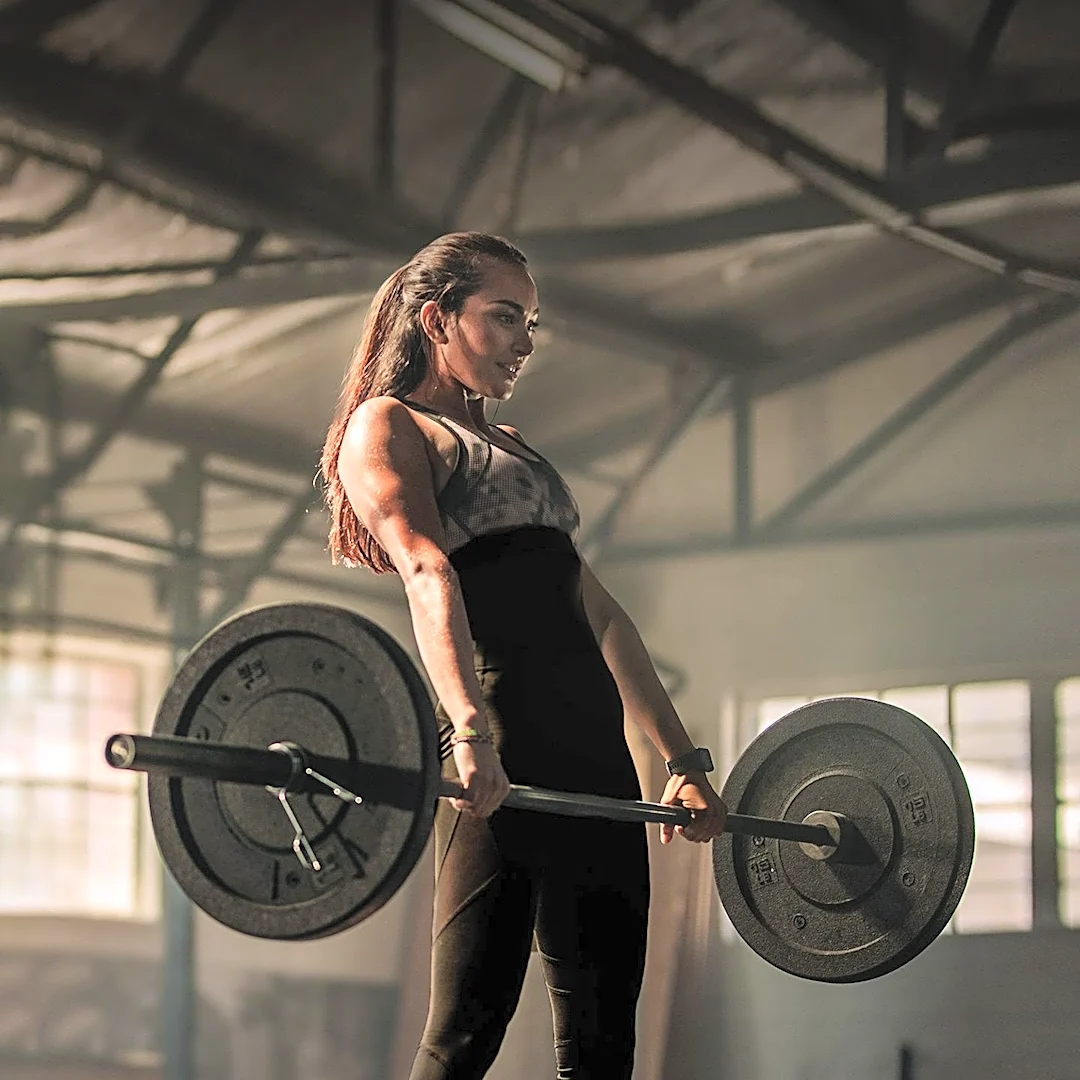
Women's Health Magazine has published an article featuring insights from PT Karen Trasatti and fitness expert Anwen Davies on effective strategies for women to build strength. The piece emphasizes that achieving strength doesn't necessarily require lifting
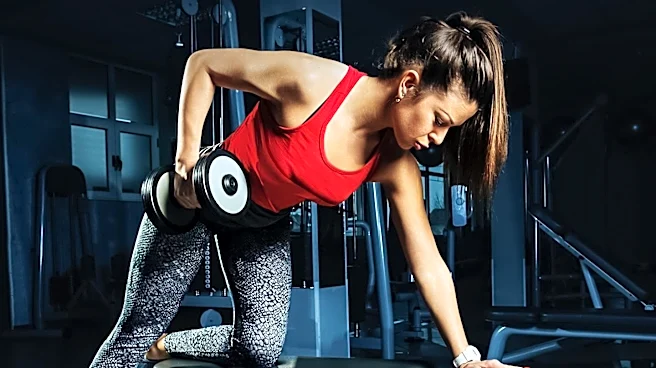
extremely heavy weights, but rather consistently challenging muscles through progressive overload. This principle involves gradually increasing the stress on muscles to encourage adaptation and strength improvements. The experts highlight that progressive overload isn't limited to adding more weight; it can also involve increasing repetitions, improving exercise form, extending the range of motion, or controlling movements more effectively. The article also notes that different muscle groups require varying weights, suggesting that individuals should not use the same dumbbells for all exercises, especially when comparing larger muscle groups like legs and back to smaller ones like shoulders. The importance of logging training sessions is also stressed to track progress and identify when to increase the challenge.
Why It's Important?
This guidance from Women's Health Magazine is significant for promoting accessible and sustainable fitness practices among women. By demystifying strength training and emphasizing progressive overload beyond just heavy lifting, it encourages a broader demographic to engage in muscle-building activities. This approach can help reduce intimidation often associated with weightlifting, making it more appealing to beginners and those without extensive gym equipment. The focus on proper form and gradual progression also minimizes the risk of injury, fostering long-term adherence to fitness routines. Furthermore, the article's emphasis on the benefits of strength training for bone health, balance, and everyday tasks, particularly as women age, underscores its importance for overall well-being and independent living. This can lead to improved public health outcomes by encouraging more women to incorporate strength training into their lifestyles, potentially reducing age-related muscle loss and improving functional fitness.
What's Next?
The insights provided by Karen Trasatti and Anwen Davies are likely to influence how women approach their strength training routines. Readers are encouraged to implement these principles by gradually increasing the challenge in their workouts, whether through added weight, more reps, or improved form. The article suggests that individuals should aim for their last few repetitions to feel difficult, indicating an appropriate level of challenge. It also recommends logging training sessions to monitor progress and ensure continuous adaptation. Fitness enthusiasts and trainers may integrate these recommendations into their programs, promoting a more nuanced understanding of progressive overload. The emphasis on consistent, small changes rather than drastic jumps is expected to lead to more sustainable fitness journeys for many women, potentially inspiring further content from fitness experts on tailored strength-building strategies.
Beyond the Headlines
Beyond the immediate fitness advice, this article touches upon broader societal perceptions of women and strength. By advocating for strength training as a means of building and maintaining the body rather than punishing it, the piece subtly challenges traditional narratives around women's fitness that often prioritize weight loss or aesthetic goals over functional strength and long-term health. The emphasis on the benefits of muscle mass as women age, including support for bone health and balance, highlights a shift towards a more holistic view of well-being that values physical capability and resilience. This perspective can empower women to redefine their fitness objectives, moving away from external pressures towards internal markers of health and strength. It also underscores the importance of accessible and adaptable fitness strategies that cater to varying levels of experience and resources, promoting inclusivity within the fitness community.