







What's Happening?
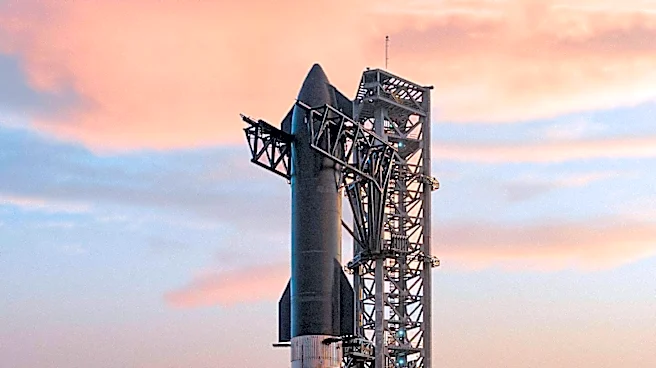
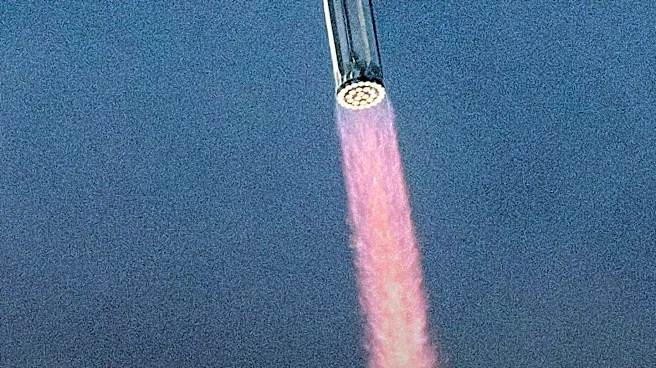
SpaceX has rescheduled the 13th test flight of its Starship megarocket to July 23, following an aborted launch attempt on July 16. The initial attempt was halted at engine ignition, prompting SpaceX to replace two of the Starship's Raptor engines. The Starship,
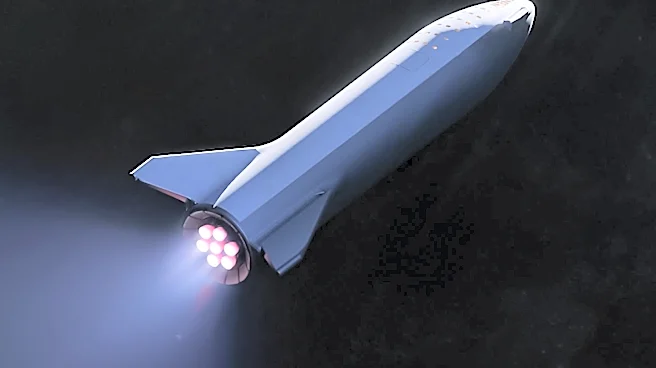
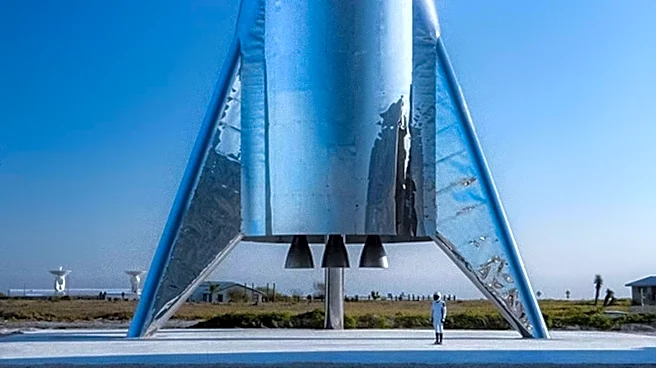
which uses 33 next-generation Raptors, is still in its development and testing phase. The decision to swap out the engines indicates SpaceX's approach to addressing the hardware issue before proceeding with the next launch attempt. This rescheduling aligns with SpaceX's strategy to maintain a specific launch window rather than an indefinite delay.
Why It's Important?
The rescheduling of Starship Flight 13 is significant as it highlights SpaceX's ongoing efforts to refine and test its next-generation rocket technology. The Starship is a critical component of SpaceX's future plans for space exploration, including missions to Mars. Successfully addressing the hardware issues and proceeding with the test flight could bolster confidence in the Starship program. Additionally, the contrast with the Falcon 9's reliability underscores the challenges and advancements in developing new space technologies. The outcome of this test flight could impact SpaceX's timeline for future missions and its competitive position in the aerospace industry.
What's Next?
The next steps involve the scheduled launch attempt on July 23, which will test whether the hardware changes resolve the issues encountered during the previous attempt. If successful, this could pave the way for further test flights and eventual operational missions. Stakeholders, including investors and space enthusiasts, will be closely monitoring the outcome. A successful launch could accelerate SpaceX's plans for using Starship in commercial and exploratory missions, while another failure might necessitate further adjustments and delays.